Berkeley approves balanced budget with unanimous vote
" The last several months have been nothing short of heart-wrenching," said Berkeley City Councilman Igor Tregub.
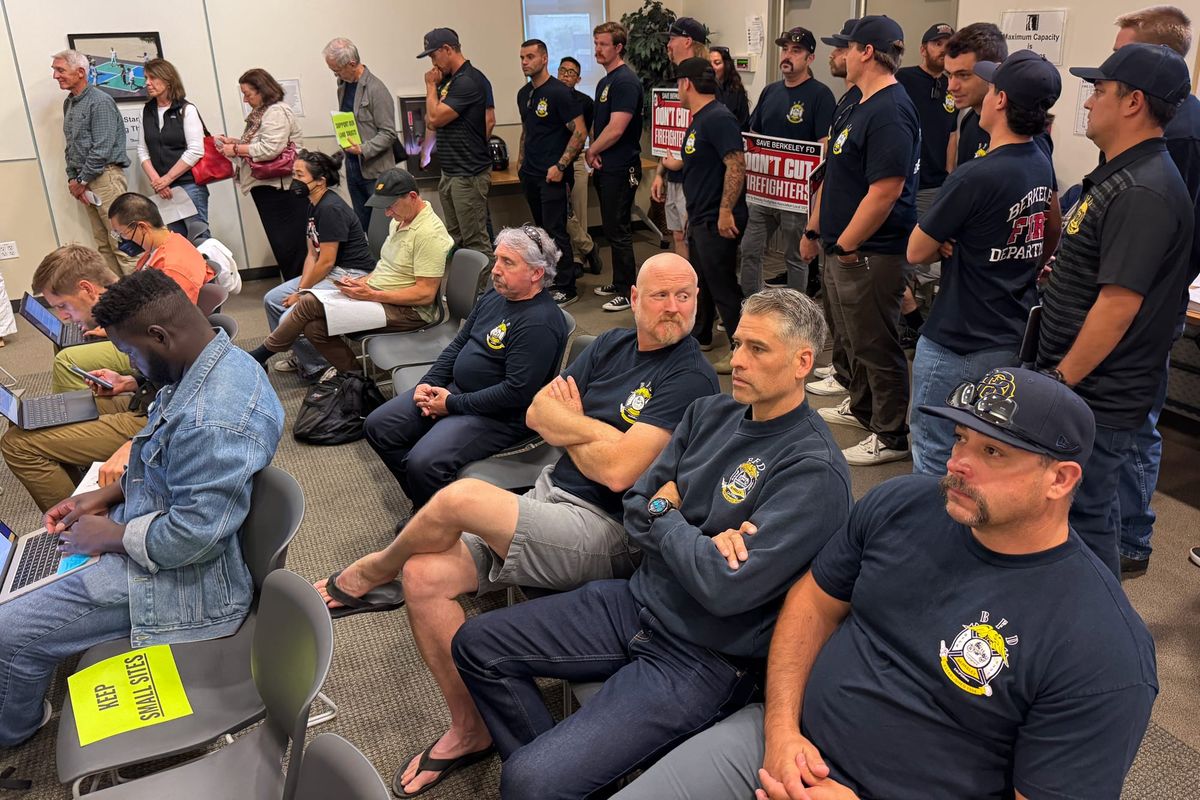
The Berkeley City Council unanimously approved its new two-year budget Tuesday night, finding money for affordable housing and the Berkeley Fire Department, among other asks.
It's been a difficult budget season, as the city works to "right size" the organization, cutting spending to address a persistent structural deficit.
In the end, a handful of city workers may still face layoffs, but the city is offering all of them other jobs in the organization to try to find a solution, the city manager's office said Tuesday night.
That work will continue into July.
For now, Berkeley City Council members found a compromise between two council budget proposals, voting for adoption at about 10 p.m. after hours of impassioned public comment.
" The last several months have been nothing short of heart-wrenching for so many of us," said Councilman Igor Tregub. " It has been and will continue to be some of the most difficult times … to lead the city, and the only way we can do it is together."
Even though the city has managed to avoid most layoffs, many vacant positions are being cut, adding to the workload for remaining staff.
 City of Berkeley
Most of the public comment Tuesday focused on Berkeley's "small sites" affordable housing program, which works to preserve affordable housing by helping residents in multi-unit complexes purchase their own buildings; and funding for the Berkeley Fire Department, largely related to positions for five firefighters, three paramedics and an inspector that were on the chopping block.
In the end, council members were able to identify funding for both: $3.8 million for the small sites program and about $3.6 million for the fire department over a two-year period.
The budget as adopted — for fiscal years 2026-27 and 2027-28 — relies on Berkeley voters approving a sales tax increase in November, which is expected to bring in up to $10 million each year; and California voters defeating a state tax measure from Howard Jarvis that would prohibit charter cities like Berkeley from collecting transfer tax revenue, which critics have dubbed the "Taxpayer Deception Act."
If that measure ends up on the ballot and passes, Berkeley would lose an estimated $35 million each year, severely impacting city services, officials have said.
In the end, Mayor Adena Ishii and Councilwoman Rashi Kesarwani (with Brent Blackaby and Terry Taplin) each put forward their own budget proposals, which were largely the same by the end of the night aside from funding for small sites.
 Guest Contributor
To start the night, only the mayor's proposal included money for small sites and only the Kesarwani version funded the nine BFD positions. But, as the vote neared, officials agreed to fund both priorities in the two proposals.
Ultimately, the only real difference was that the Kesarwani-Blackaby-Taplin version allocated $2.5 million to small sites but held $1.3 million in the city's Housing Trust Fund, which proponents said would ultimately go further when leveraged 4-to-1 against state and federal dollars in new construction.
Blackaby said they were looking for " the biggest bang for the proverbial buck on affordable housing."
" We're proposing spending more on affordable housing here in Berkeley in the Kesarwani proposal, and I want to be clear about that," he said.
Councilwoman Shoshana O'Keefe said she saw value in supporting small sites even if Blackaby's calculation was " maybe more or less technically accurate if you look at it a certain way."
"In order to do that, you really have to ignore some of the unquantifiable benefits of a program like this, which includes keeping communities intact. You can't put a price on that," she said. "And also shielding people from the life-altering trauma of being displaced. So I actually think it's OK to pay a little more for those intangible benefits that can make a world of difference to the people affected."
Council members also earmarked, over the next two years, $2.9 million for downtown revitalization work and about $1.3 million for work on the "car free" Telegraph study, among other council priorities.
Berkeley has a roughly $900 million budget (and 215 separate funds), but discussions largely focus on the $300 million general fund, which includes much of the discretionary funding.
Read more
This year, the city overhauled how it approached the budget, asking for across-the-board cuts from every department.
 Emilie Raguso
 Emilie Raguso
 Emilie Raguso