How one Berkeley mentor changed hundreds of lives
"Todd has kept a lot of people alive," said Senon Nails, a Live Free life coach who worked with Walker.
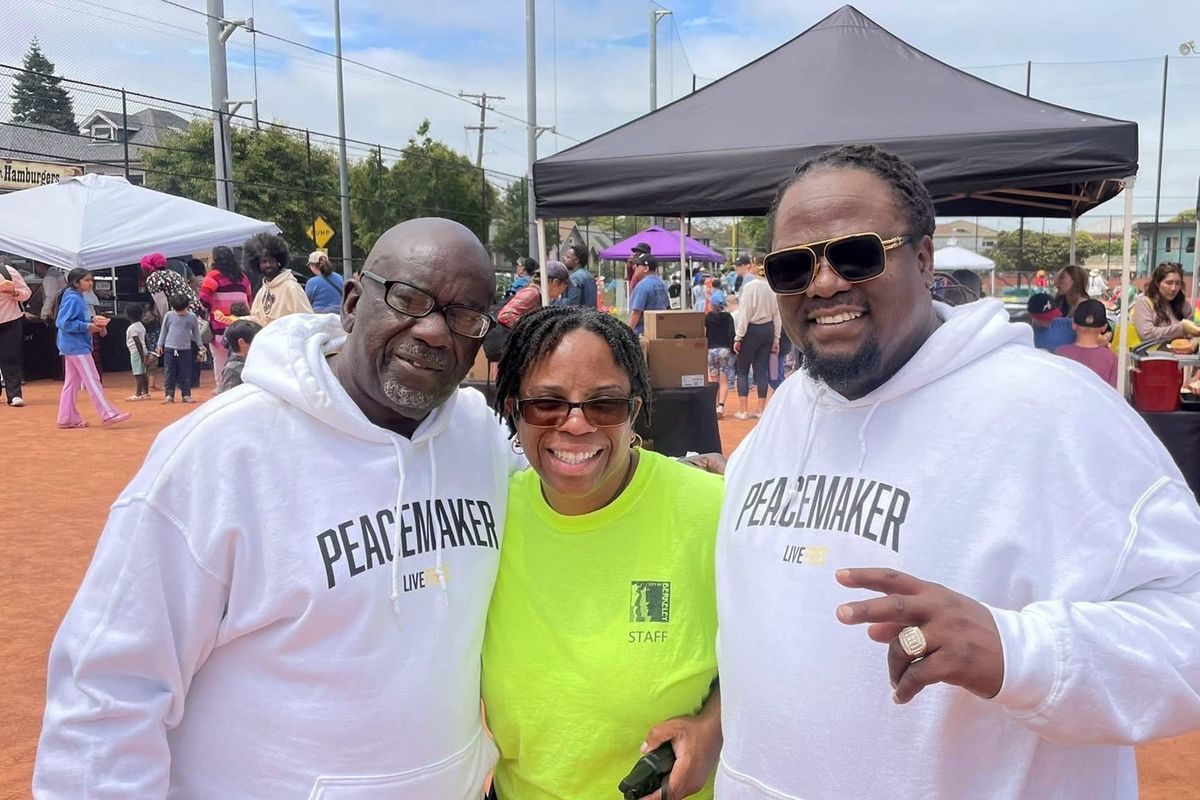
Shortly after violence prevention guru and mentor Todd Walker's sudden death at age 64 in January, someone posted on social media: "It's not over."
"Todd Walker live[s] on through us."
Now, six months later, there are signs his gifts are, indeed, living on, according to many who knew him well.
Including at the Todd Walker Live Free Center, the Berkeley violence prevention program where he worked. After his death, it was renamed in his honor.
"He was like our North Star," said the Rev. Michael "Mike" Smith of Berkeley's McGee Avenue Baptist Church, which partners with the city's Live Free program and helped get it going two years ago. "It's still an open wound."
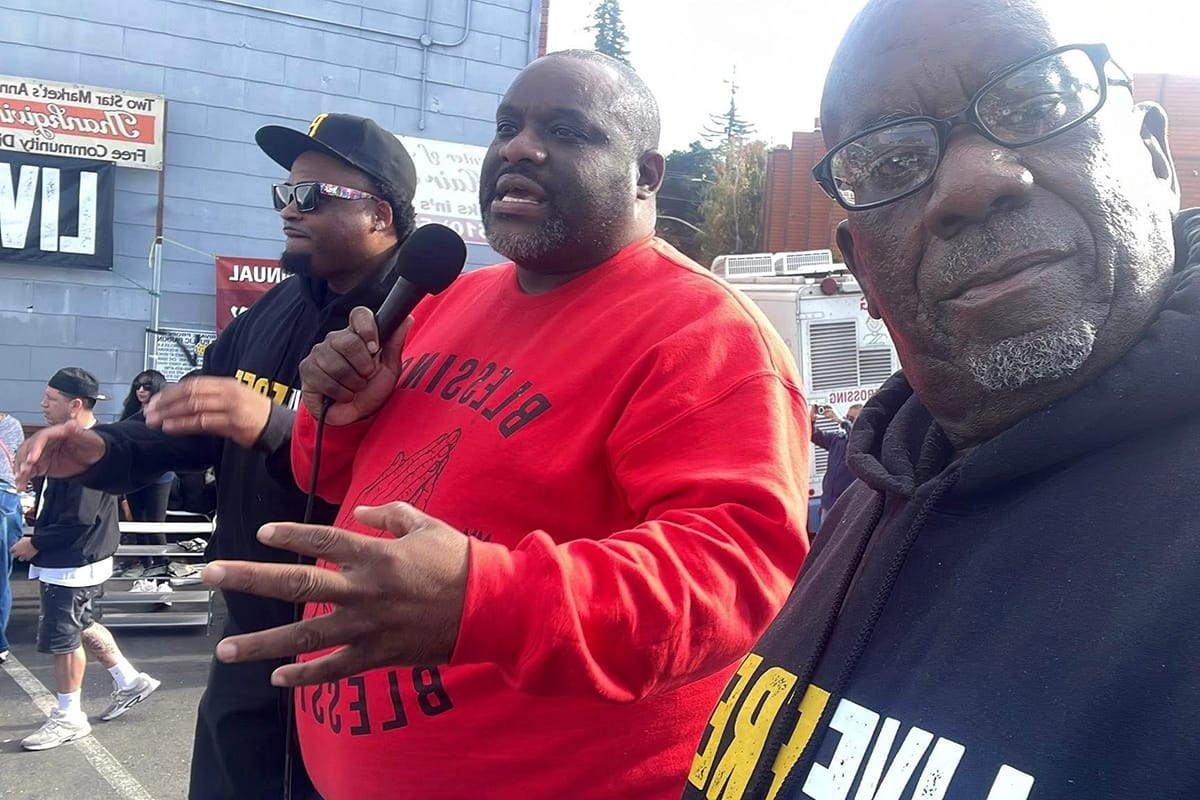
Smith grew up with Walker. Over the years, they worked together in several programs, often based from McGee Baptist, where Walker was a member.
Smith recruited Walker for Berkeley's Live Free program as it was developing.
"Most of the team had a relationship with Todd that predated this work," Smith said. "And so [his death] was very personal. The adjustment was very difficult."
It's only all these months later, he added, "that we're getting our second wind."
A second wind that coincides with what would have been a significant milestone for Walker, Smith said: Today, July 27, would have been his 65th birthday.
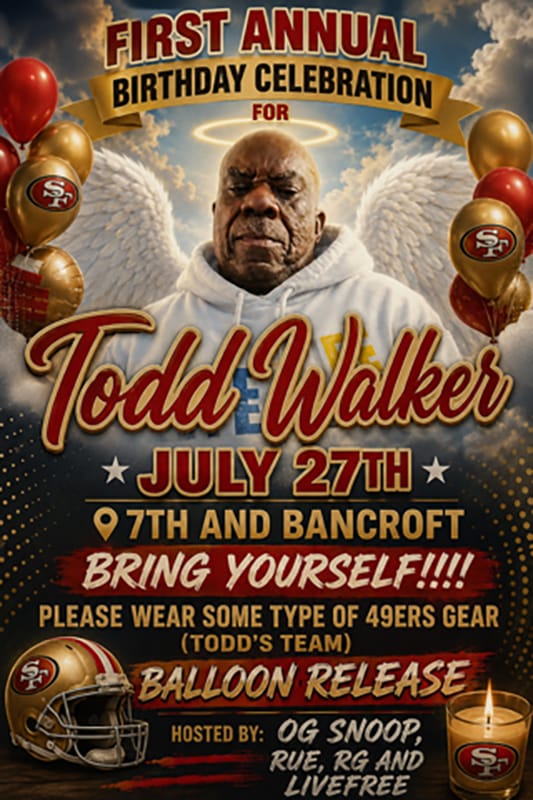
To mark the event, Live Free hosted a public celebration for Walker on Sunday at Seventh Street and Bancroft Way with dominos, spades and pinochle tournaments, and other festivities. It continues Monday evening with a balloon release. And a private birthday event for friends and family is planned for later this week.
"I can't speak for everybody at Live Free, but once he passed away it's like the laces in the tennis shoes came out," said Senon Nails, known by many as "Snoop," a Live Free life coach who also grew up with Walker. "Every time we took a step, it's like our foot came out of the shoe."
"We're just now finding some laces — to lace these shoes and get back out on these streets."
Street tested, Todd Walker was committed to peace
Walker, who died of a heart attack at his home in El Sobrante, spent much of his adult life helping people caught up in violence, on the verge of it, or actively trying to move on and survive in legit ways, versus criminal. He helped both strangers and friends.
"Todd has kept a lot of people alive," Nails said. He counts himself one, after years of addiction, arrests and prison. "I'm really grounded right now and it's because of him."
Walker's drive stemmed in large part from his own struggles as a young person, close calls, bad decisions, scares and regrets, family and friends said.
One of six brothers, Walker's family moved from Alameda to Berkeley when he was about 6, settling in the southwest part of the city. He attended Berkeley public schools, graduating from Berkeley High in 1976.
As a teen, Walker fell into the street drug scene, desperate for a few bucks, influenced by a risky peer comfort zone that all too easily becomes a dangerous trap, friends said.
But unlike many, Walker did a complete turn-around in his 20s, after being hit hard by the shooting death in Berkeley of a member of his crew, Nails said.
He quit the lifestyle.
"In the drug world, it's dog eat dog. He was a dude that transcended into that good person. People say it can't happen, but it can," Nails said.
Standing as living proof that major change is possible, no matter how hard you're hurting, or how confused or stuck you feel, fueled Walker's lifelong urge to help others in the rocky boat he'd once been in, friends and family said.
Sometimes it was a paid job, such as with Live Free. Sometimes a volunteer. A hobby. An avocation. Spiritual calling. For Walker, it was all of these.
"If you were needing something, he'd give you his last," said Lena Reese, his girlfriend who lived with him in El Sobrante at the time of his death.
Regardless of a person's circumstances, Reese added, including if they were in trouble with others, or the law.
"He's still gonna lift you up and put you on your feet," she said.
In many ways, this commitment stemmed from family values, said Ralph Walker, one of Todd's brothers.
"My mother started going out feeding the homeless on Gilman Street," he said. "We grew up around a lot of people who were less fortunate."
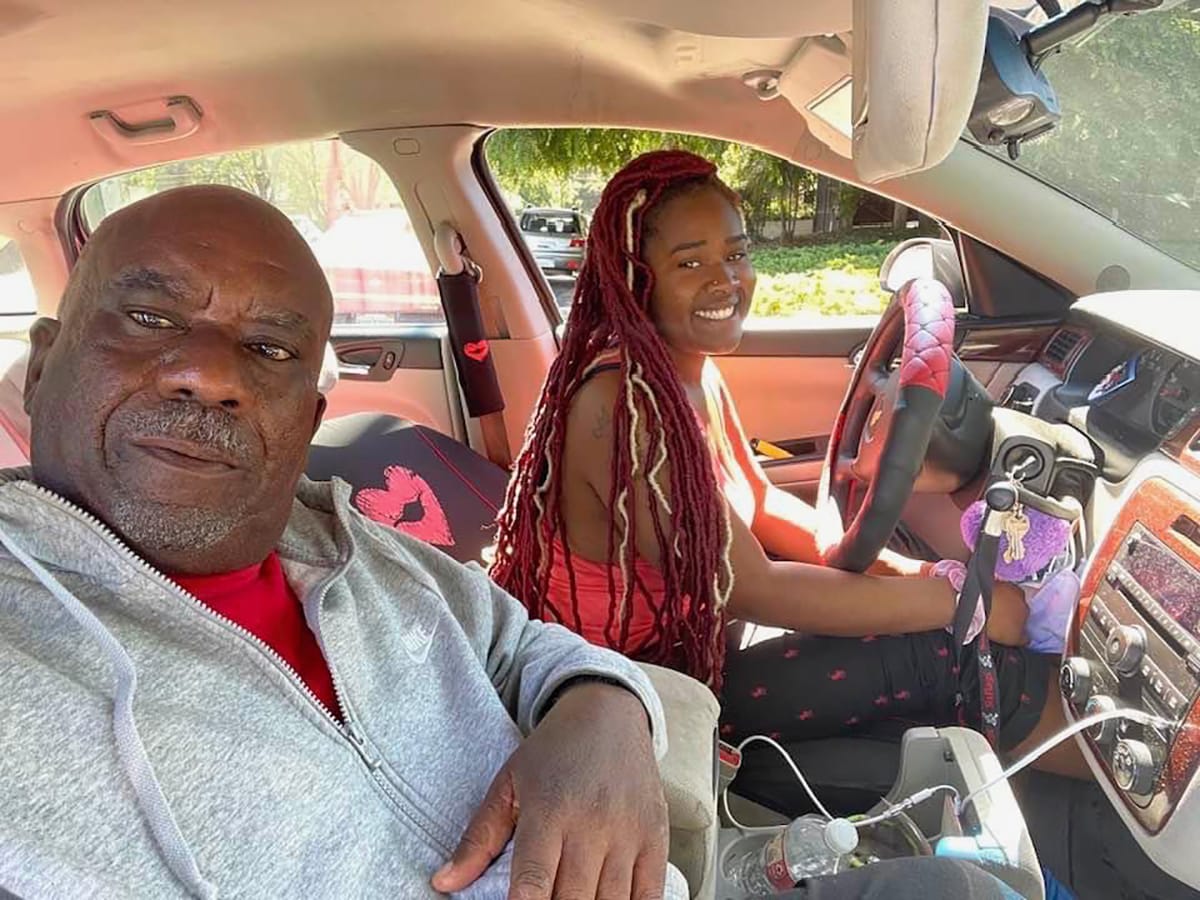
Walker "was a people person," Ralph said. "He loved people, and people loved him."
After high school, Walker worked as a custodian at Lawrence Berkeley National Lab, eventually finding satisfying work as funeral assistant then director at Oakland's Baker Prado Funeral Home, where he stayed for 20 years. He retired last year.
He started at Baker Prado cleaning carpets, working his way up, his brother said.
Walker had two daughters, Tenisha and Tajah, and four grandchildren. Family was at his center, many said.
"Tremendous relationships, tremendous amount of respect"
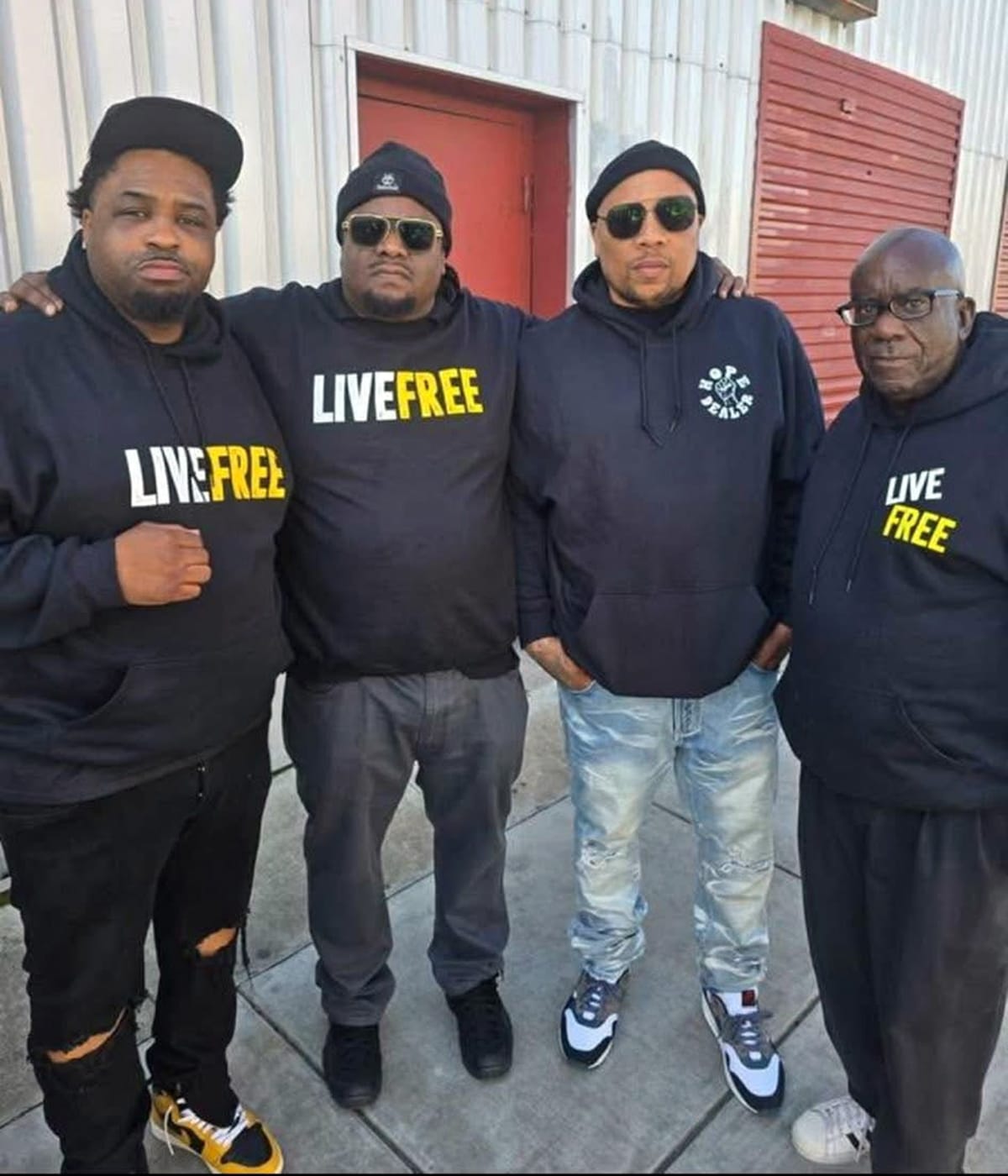
Walker had been trying to retire for good when the Live Free calling came, said Reese, his partner: "He's a person who just can't sit; he's got to get up and do something."
To Pastor Smith, Walker was a perfect fit. They'd worked closely on other violence prevention efforts, as well as broader community outreach, helping the poor, the homeless, the sick.
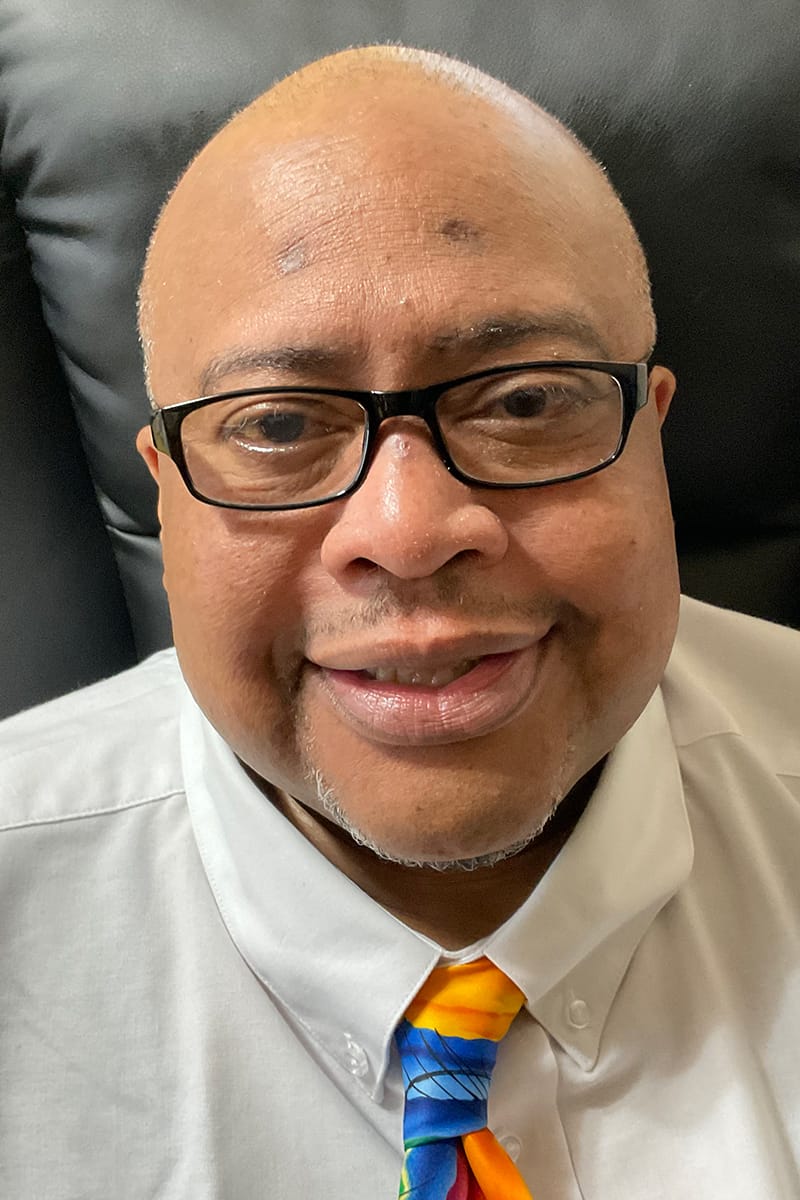
Rev. Michael "Mike" Smith. Courtesy
A national program started in Oakland in 2011 by the Rev. Michael McBride, Live Free uses a community-based intervention model where life coaches and outreach workers forge trusting relationships, often where they live or grew up, to try to guide people away from negative choices.
Most, like Walker, have lived experience in street violence — it's a culture they get.
"Todd had a lot of pull because of his longstanding relationships. Tremendous connections, tremendous relationships, tremendous amount of respect," Smith said. At his funeral in February, 700 people showed up.
"He was well loved," said Kentrell Killens, Live Free's field service director in Berkeley. "He used his relationships. He pulled in family members and parental figures. He pulled in other cultures and peer groups. He knew the power of influence."
In community intervention, workers show up at crime scenes, hospitals, funerals, prison cells, tense huddles in living rooms or cars, in the hopes of connecting people to pathways out of trouble, to services and resources that believe everyone has potential, and in second chances, maybe third or fourth.
And standing by them as they try to change. It takes mutual trust.
"In violence prevention, it's really about buying time. If we can get them to say not today, hopefully we can get them to say not tomorrow either. Eventually we hope to see them winding down, dwindling down," said Killens.
Walker found ways to teach on the field, in the funeral home
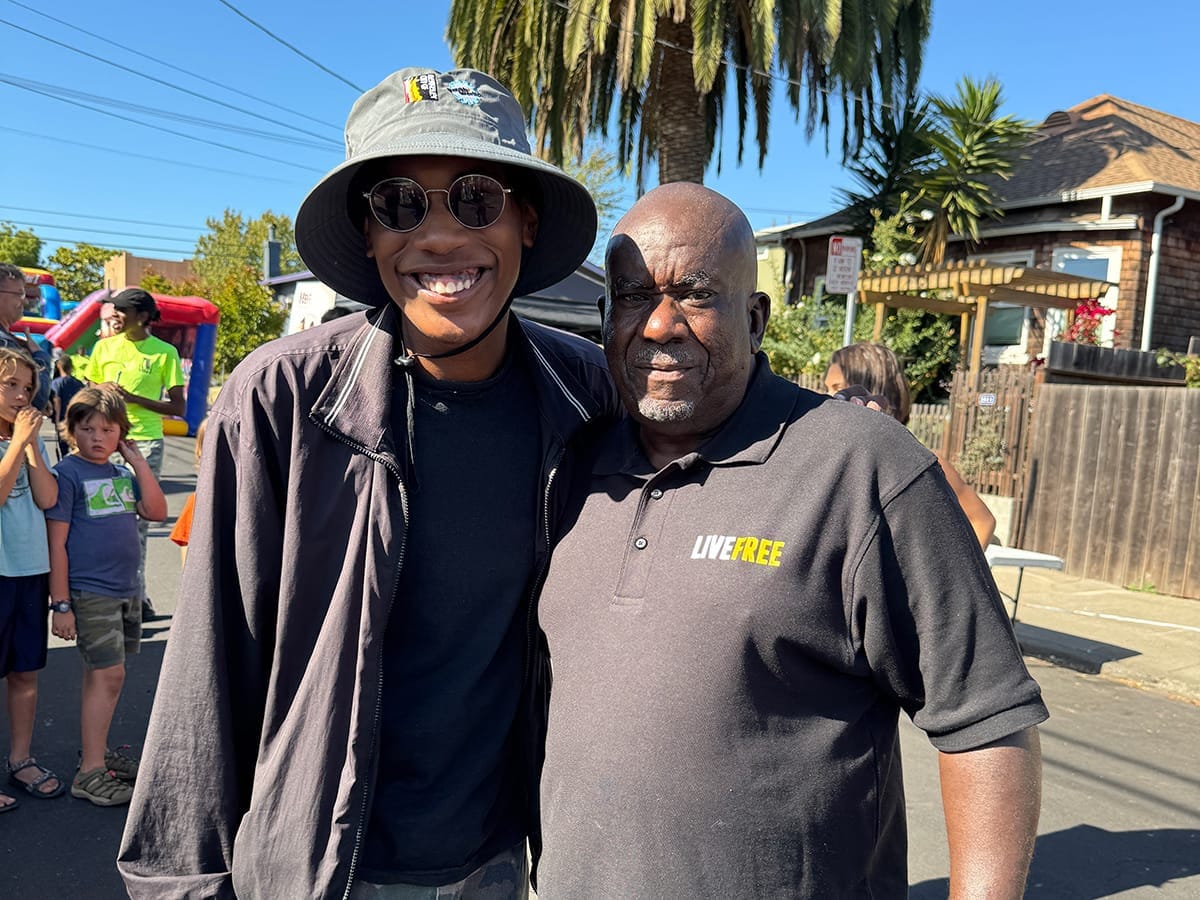
Walker brought his touch to many other settings, too.
During his decades of coaching and directing the Berkeley Cougars, a community youth football league, he kept an eye out for kids vulnerable to trouble, and was right there with support. And they knew it.
Same with the East Bay Heat youth track club he helped bring back from dormancy with his brother Ralph.
A sports nut, Walker played football in high school, and was a die-hard 49ers fan, as well as enjoying most major sports. He saw sports as an excellent medium for communicating with young people, filled with teaching moments, his friends said.
"What started to hit [Walker] the most was when he started to see the same men he was coaching at these homicides," said Killens, who also met Walker when they were kids.
Over the years, Killens said, Walker's players became victims as well as offenders.
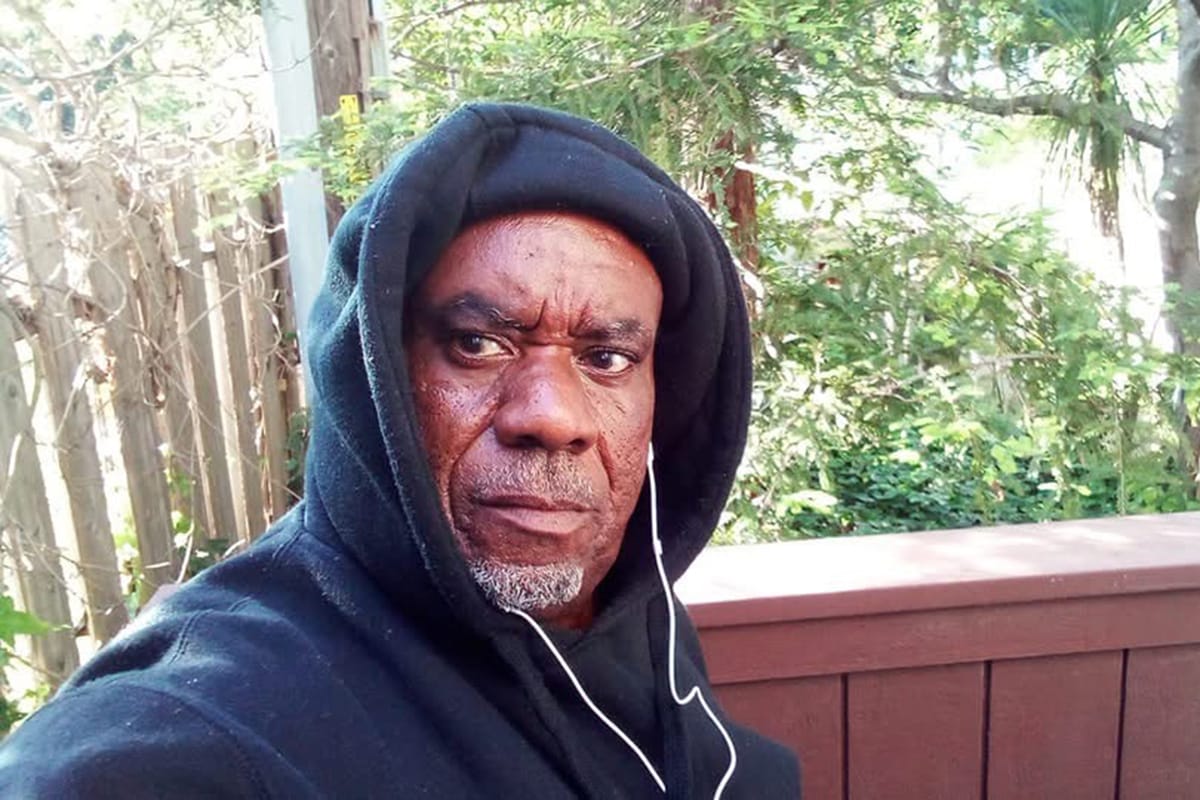
Violence prevention was also woven into Walker's work at the funeral home, where he helped lay to rest many people killed by gunfire, of all ages, including people he knew.
He set high standards for peaceful services when a death triggered beef among community members, including gang rivals, Killens said. Services could become scenes of retribution, and get rowdy, tense.
Not under Walker's watch.
"He started having rules. He expected respect, he gave respect. People sat down and the room went quiet," Killens said. "He said, 'This is how we're going to do it for the family.'"
Walker also brought young people to the funeral home to see the deceased to show them, straight up, what death looks like.
"I don't want to see you at a funeral home, I don't want to be at your service next," he'd tell them.
Tajah Walker, Walker's youngest daughter, said: "He saw the potential in the youth, recognizing that many of them just needed someone who believed in them. He was a father figure to many, younger and older."
As hurting colleagues heal, they take Todd Walker with them
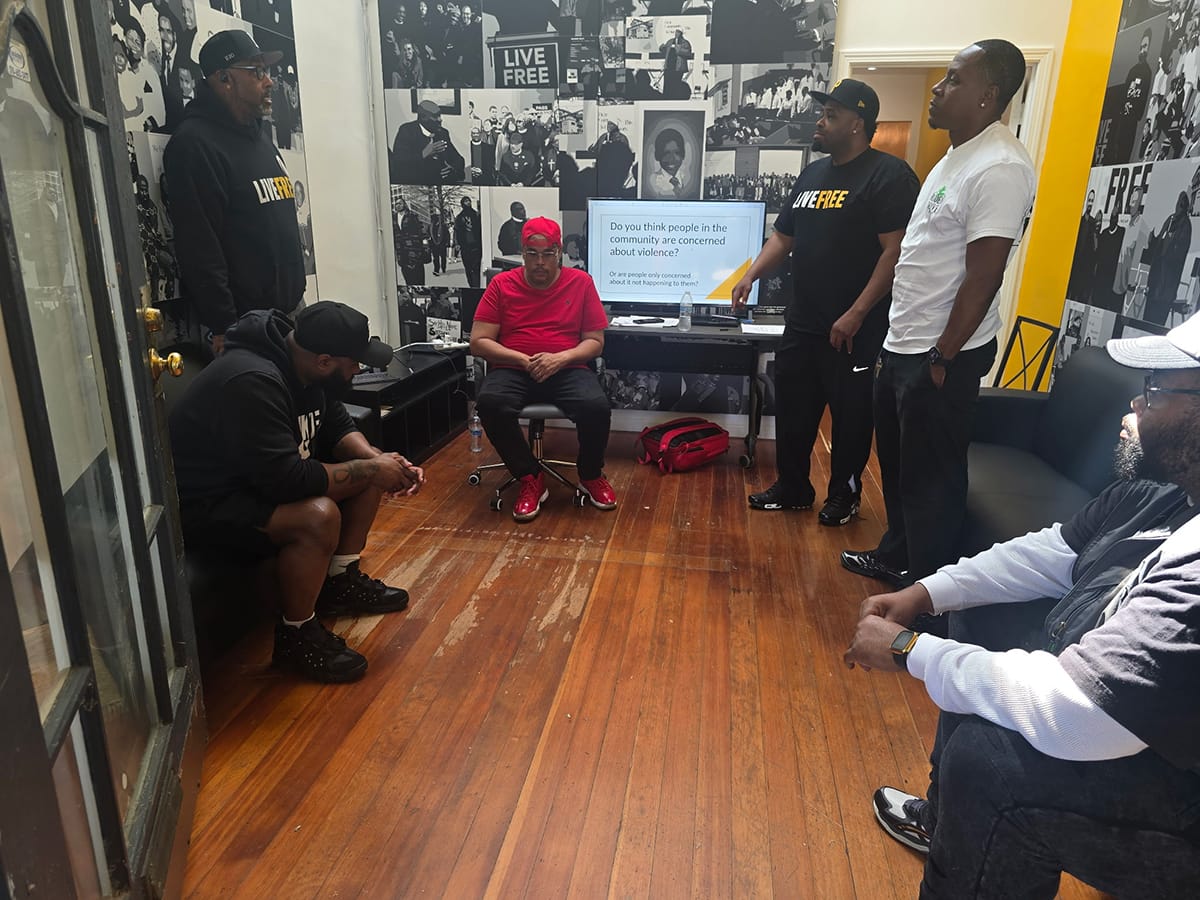
Walker was one of six full-time Berkeley Live Free outreach workers, a group so small that the loss of one creates an imbalance, a gap. Today, they work out of an office on Adeline Street, shared with Live Free California, a sister effort.
Life coaches, outreach workers. And credible messengers, or mentors with lived experience in street life and the justice system now turning things around, who get a stipend for their help.
In 2024, the city funded a two-year $2 million Live Free pilot program as part of its Reimagining Public Safety initiative. Some of this funding was for analysis by the National Institute for Criminal Justice Reform, based in Oakland.
Around $450,000 in grant money boosted this pot last year and, as of the city's recent budget, which added $200,000, the program is funded through June 2027, Smith said.
 Emilie Raguso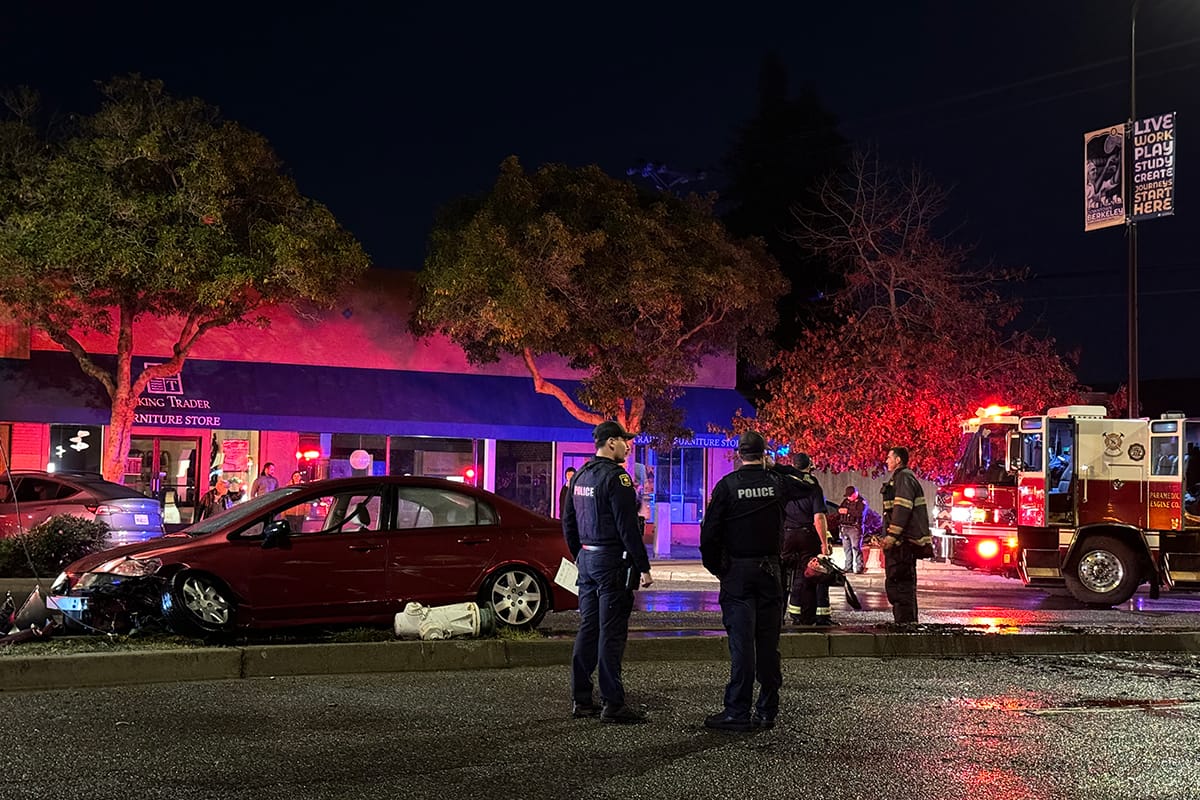
Two years isn't long enough to really measure the program's impact statistically. It launched at a time the city, as well as the nation, were seeing a decrease in violent crime.
But the City Council took steps to keep the program alive even in today's tough budget times — and expressed strong support in recent meetings.
Similar intervention programs exist nationwide, especially in high crime cities, often with strong community buy-in. A recent published review of the research on the credible messenger approach concluded it shows promise, and needs more study.
Compared to nearby cities, Berkeley has low rates of gun violence. Last year, the city had no injury shootings due to street crime.
But any shooting across the East Bay, from Antioch to Berkeley, from Oakland to Vallejo, could have a Berkeley connection and impact, Killens said, with residents as victims or as perpetrators.
Live Free has seen it all. The work doesn't stop at city borders.
"We try to prevent one situation from developing to two or three. Which is almost impossible if you don't have the respect of the individuals and the communities," Killens said.
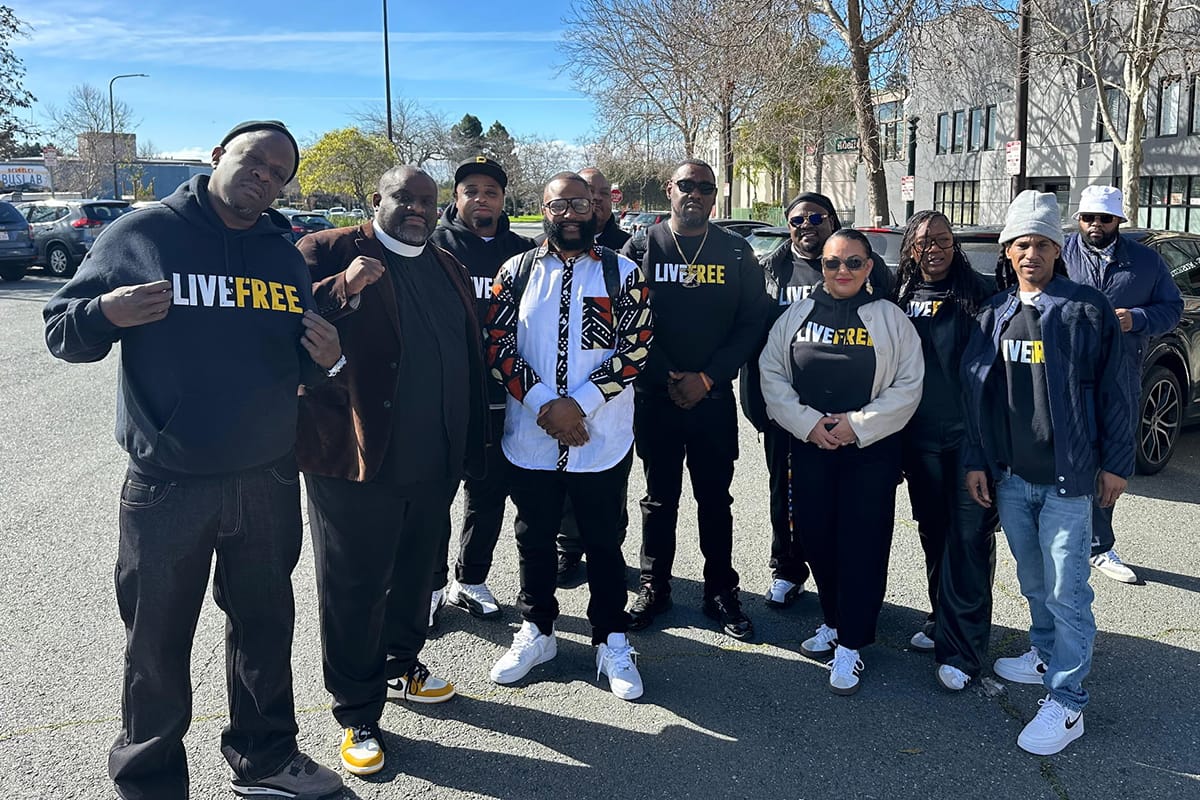
As they adjust to Walker's death, his colleagues are bringing his wisdoms along with them, they said, adding to their own.
Listening without judgement. Believing in the potential of all people, regardless of the rough roads they've walked. And, sometimes, tough love. Holding a high bar for civil, respectful behavior.
One important thing he learned from Walker, Nails said, was that in any violent exchange, both sides are left hurting, the victim and the offender, as well as their loved ones.
"Todd was teaching me, you never lean one sided. Let the world know both families are grieving. There are two losses," he said.
"Another piece of his wisdom is in helping people understand they can have a second chance at life. We may have to make some tough decisions to change ourselves, before we can change the community," Smith said.
Or simply: "You gotta be the change you want to see."
They feel Walker right there telling them to not miss a beat, colleagues said.
"Peace is a fragile thing," Smith said. "Todd wanted us to make sure that we believe peace is possible, and that we could make a difference, but it's a tough struggle, and we can't just walk away. He was committed to this work, and he'd want us to continue. We're continuing to press, we're still pressing."
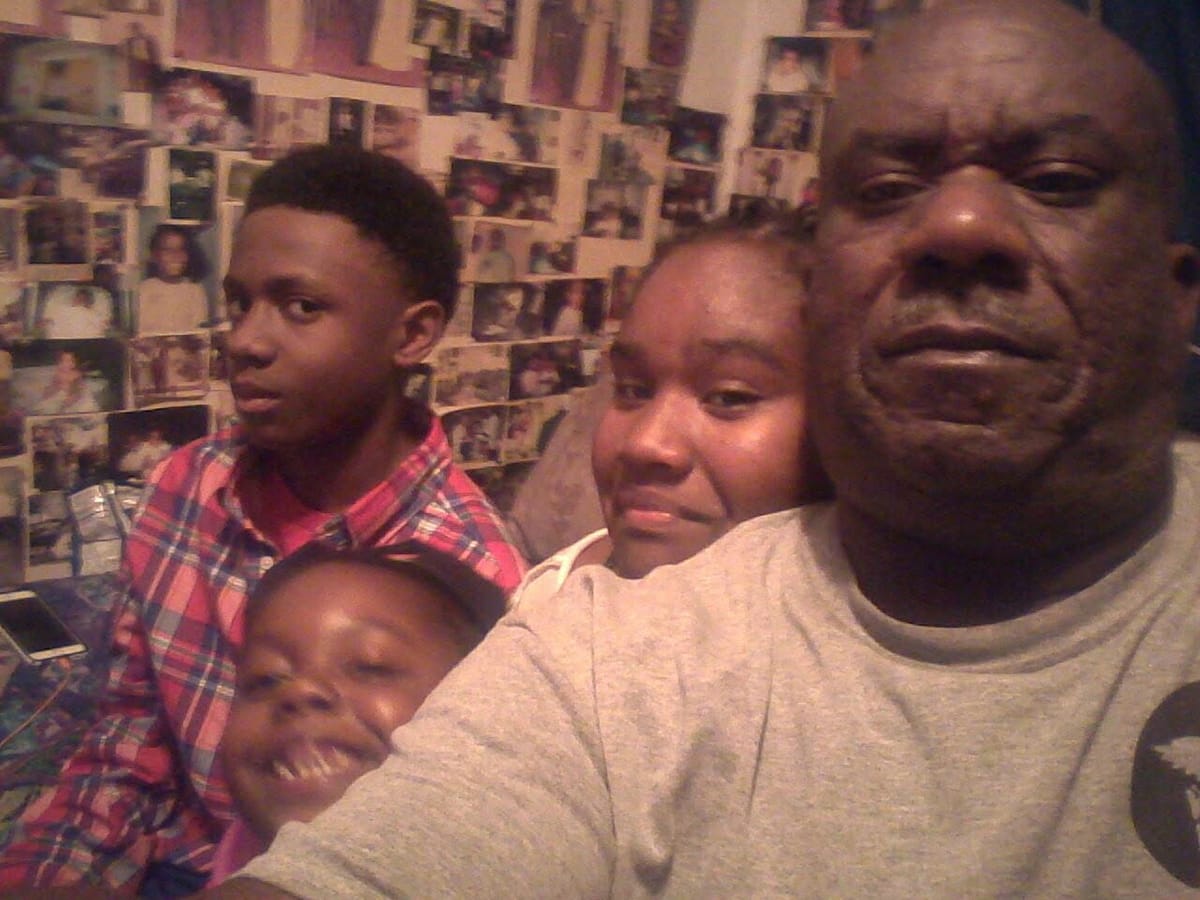
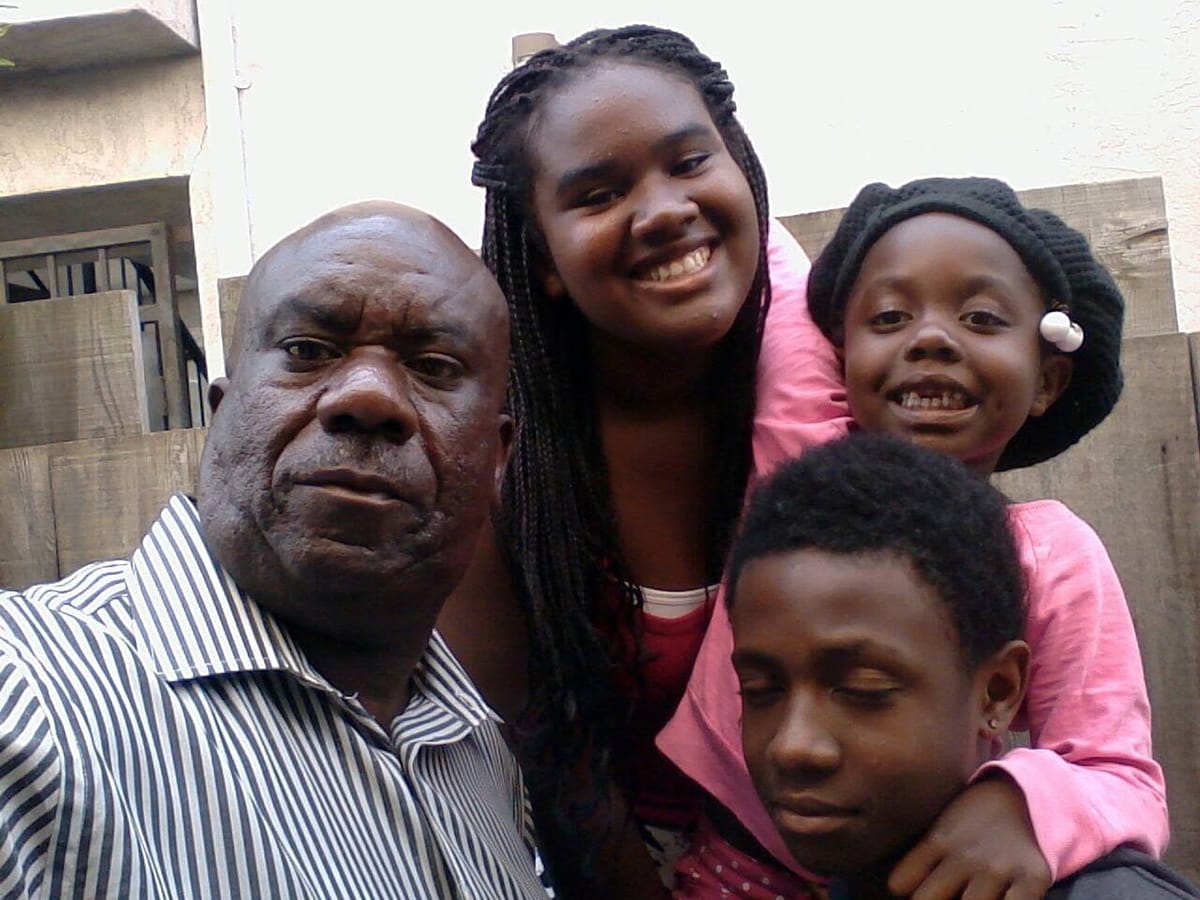
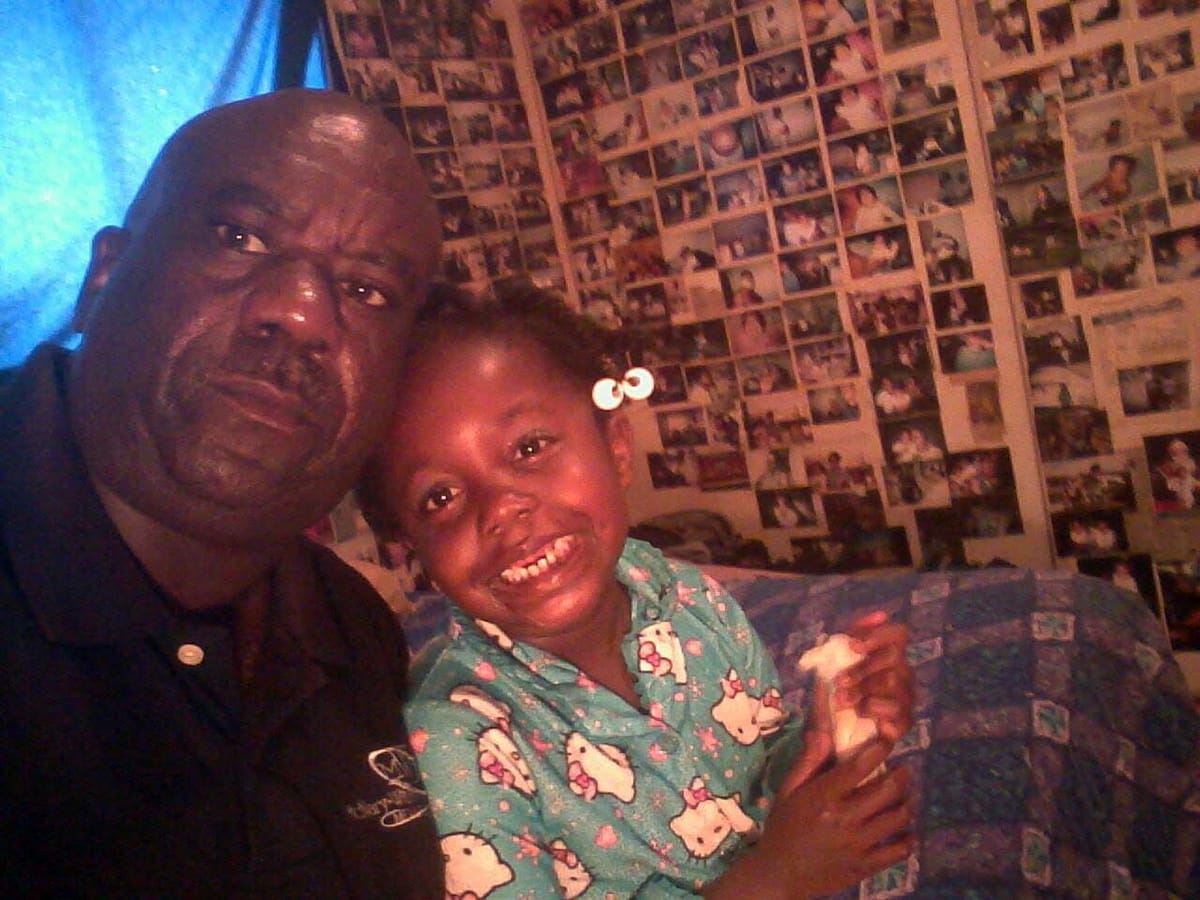
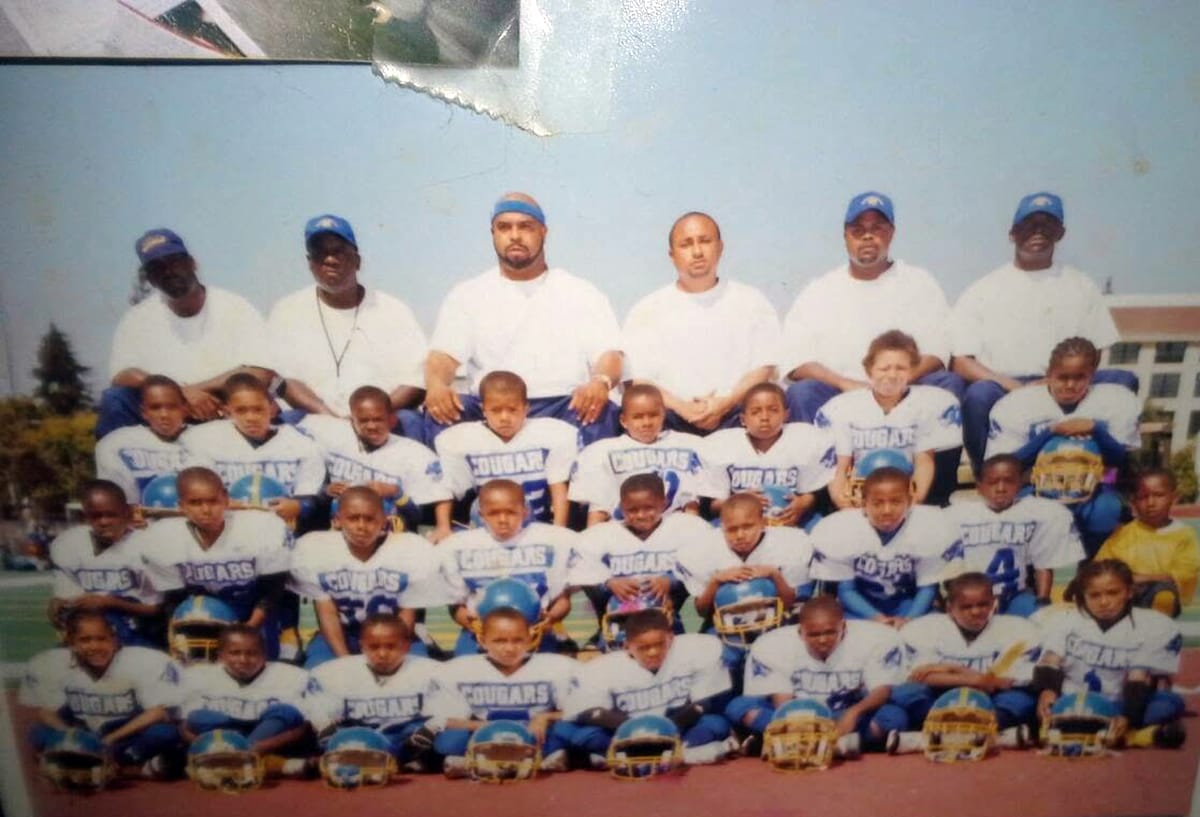
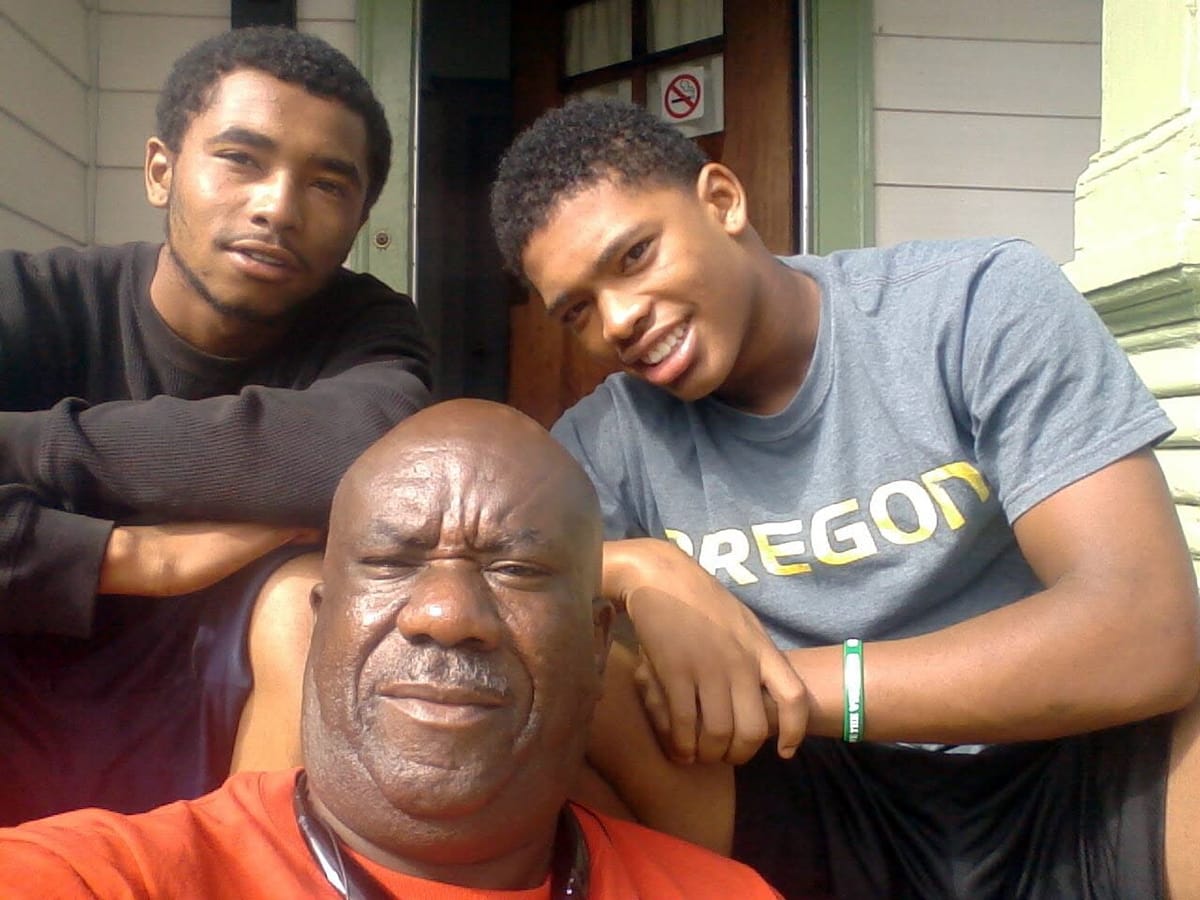
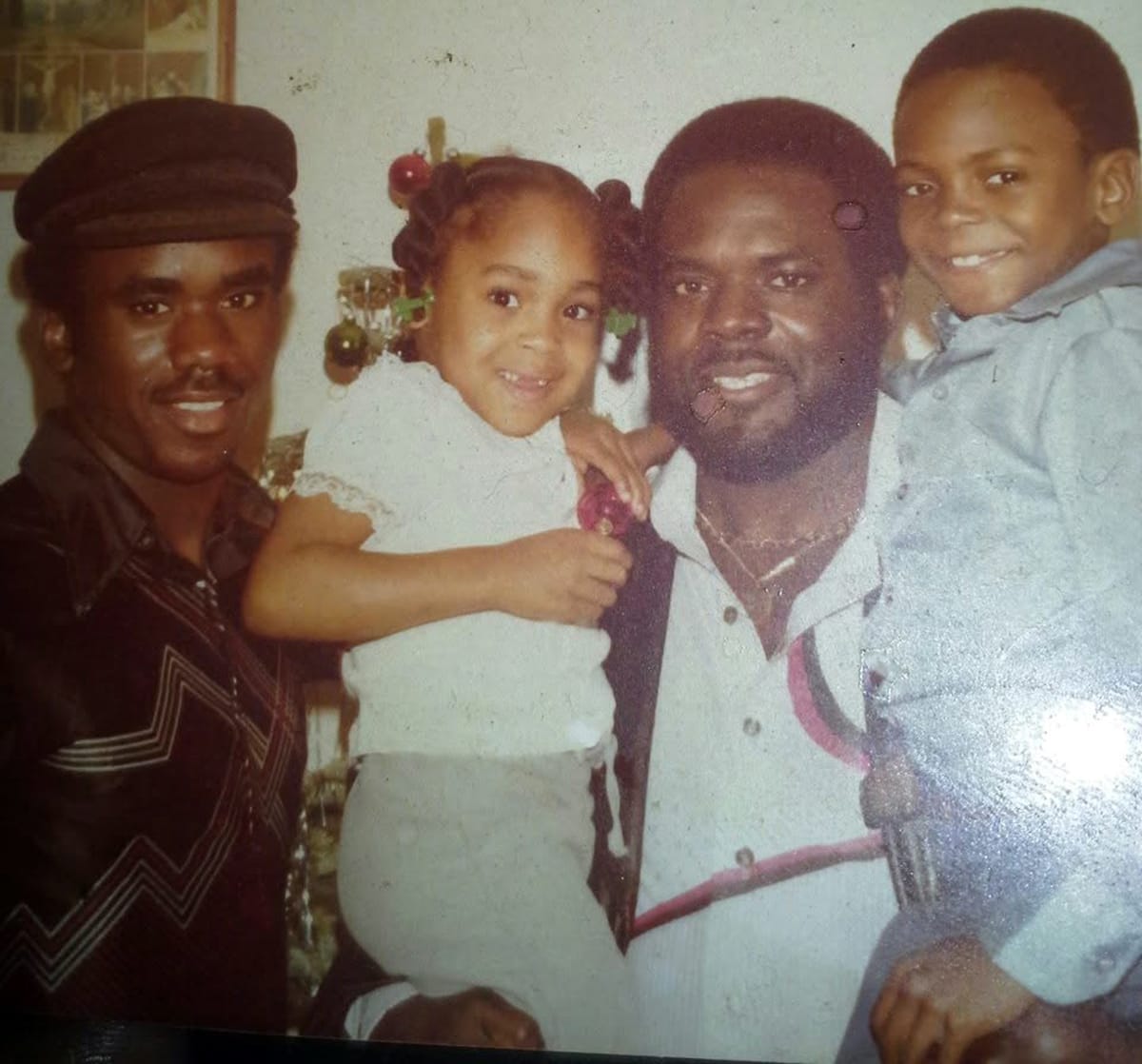
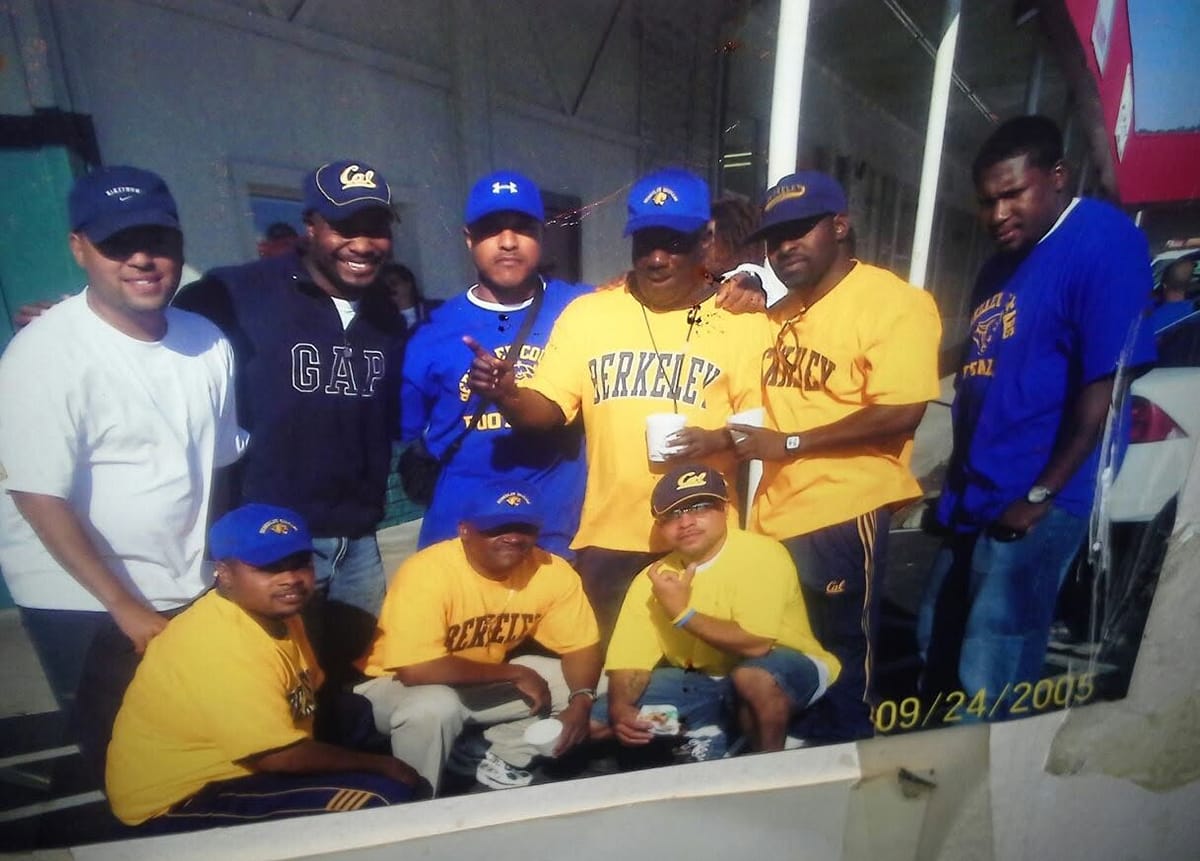
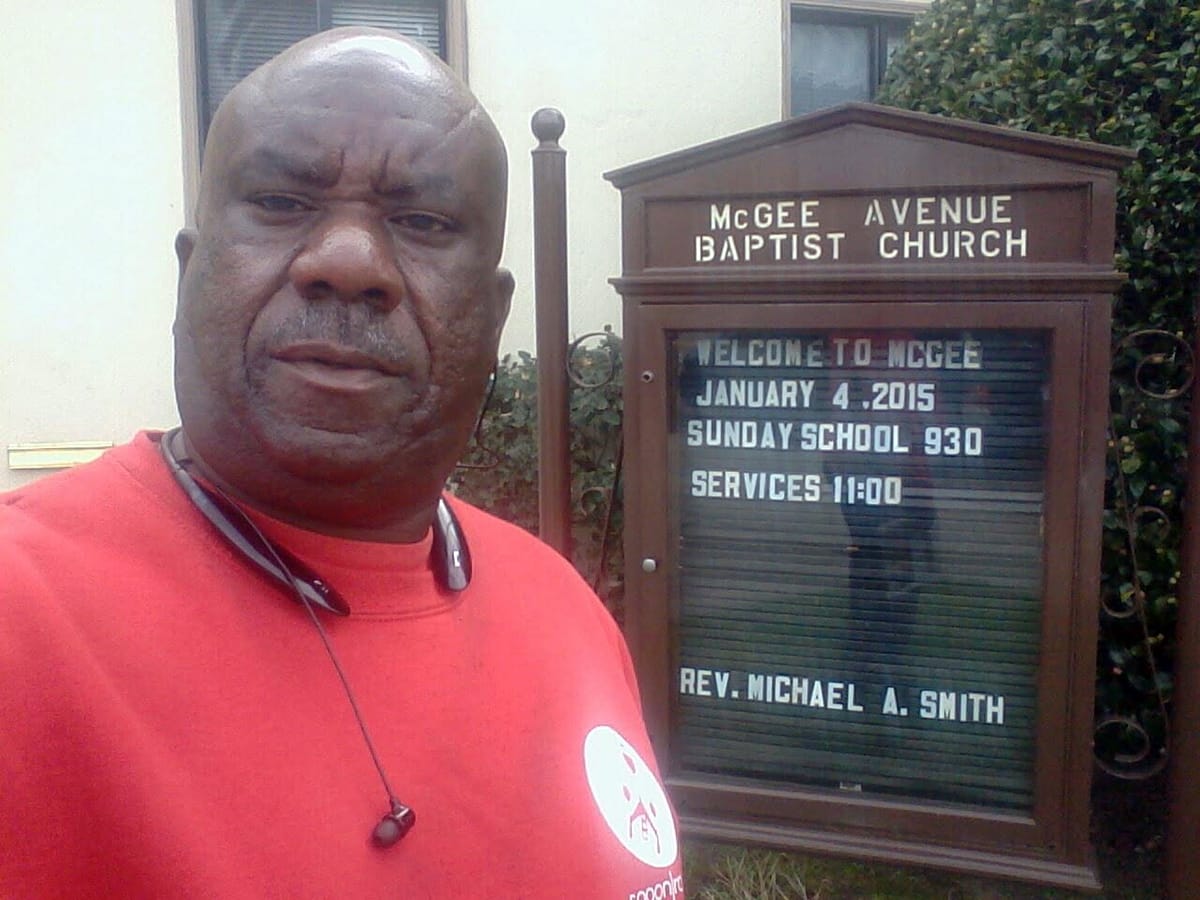
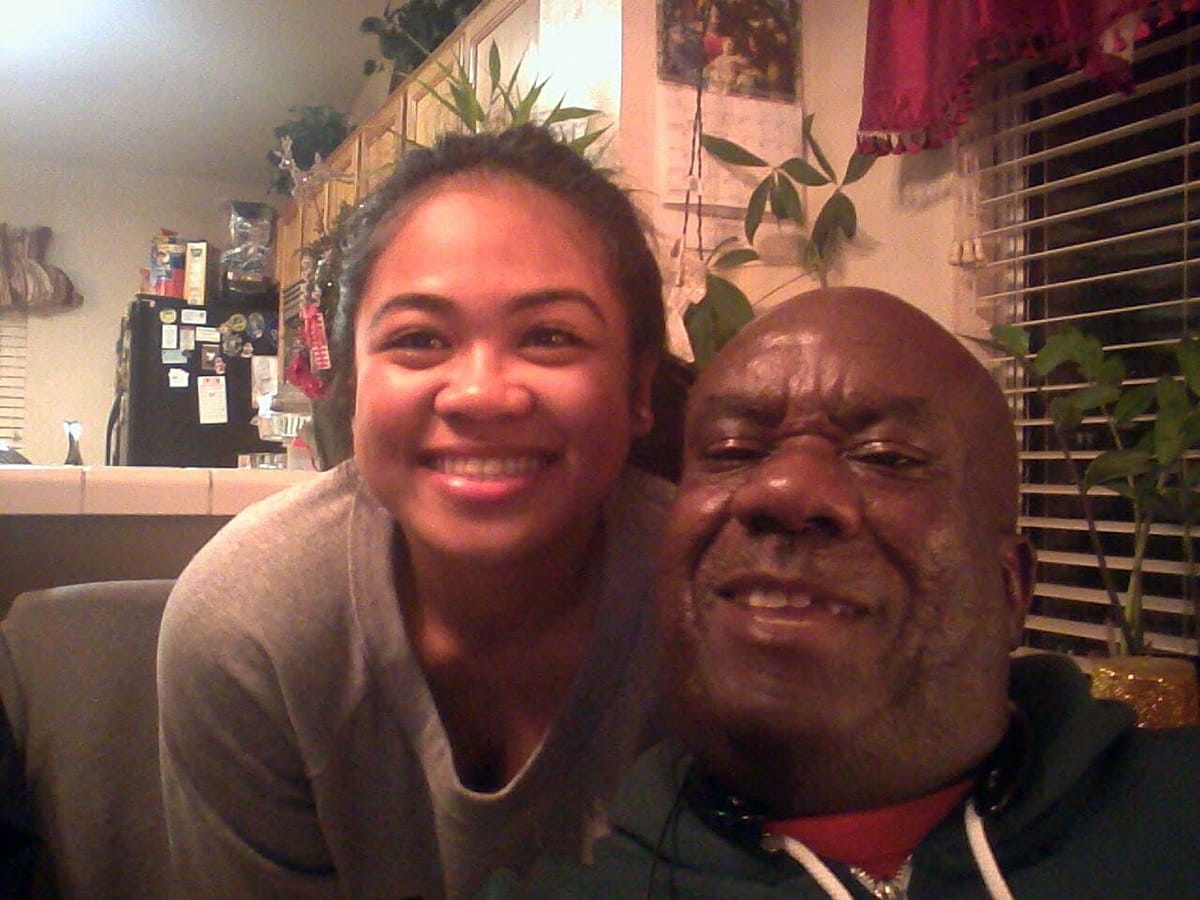
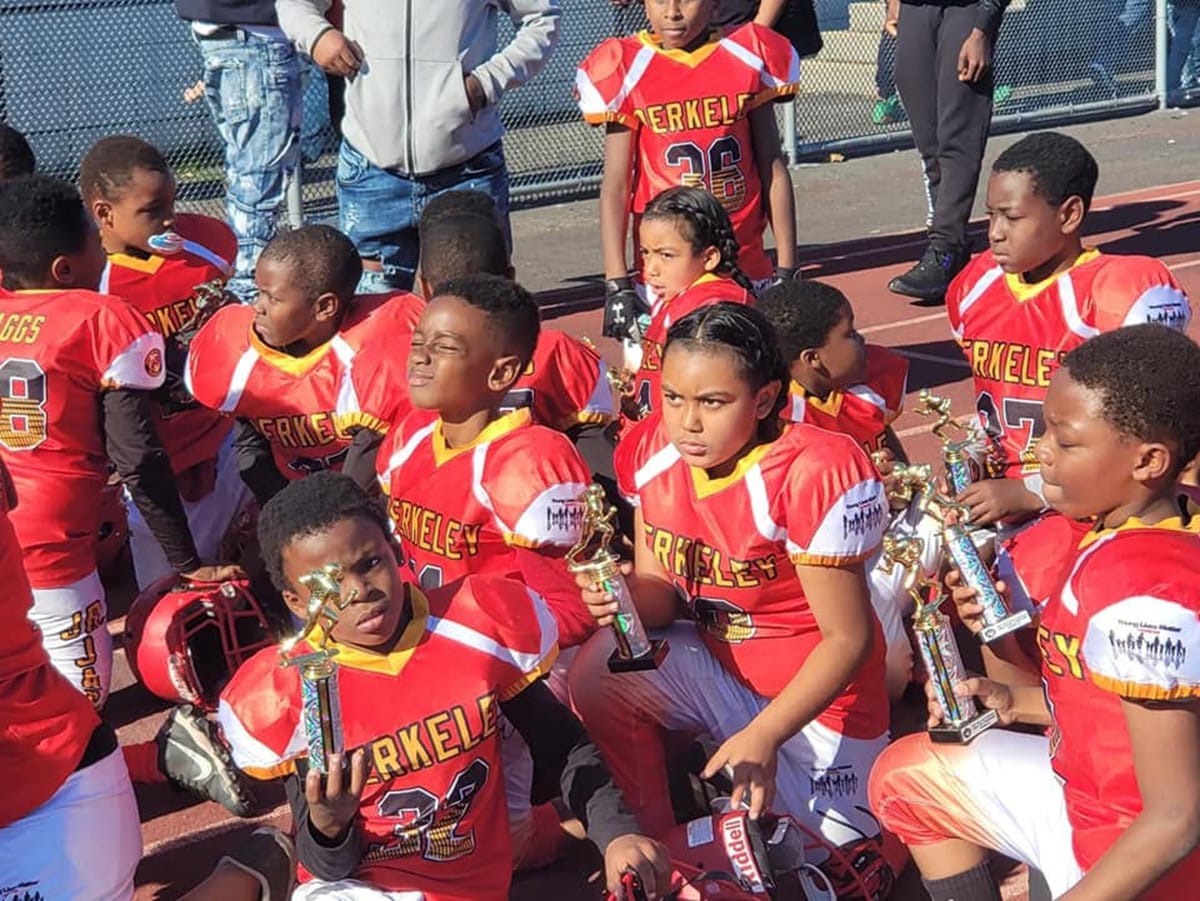
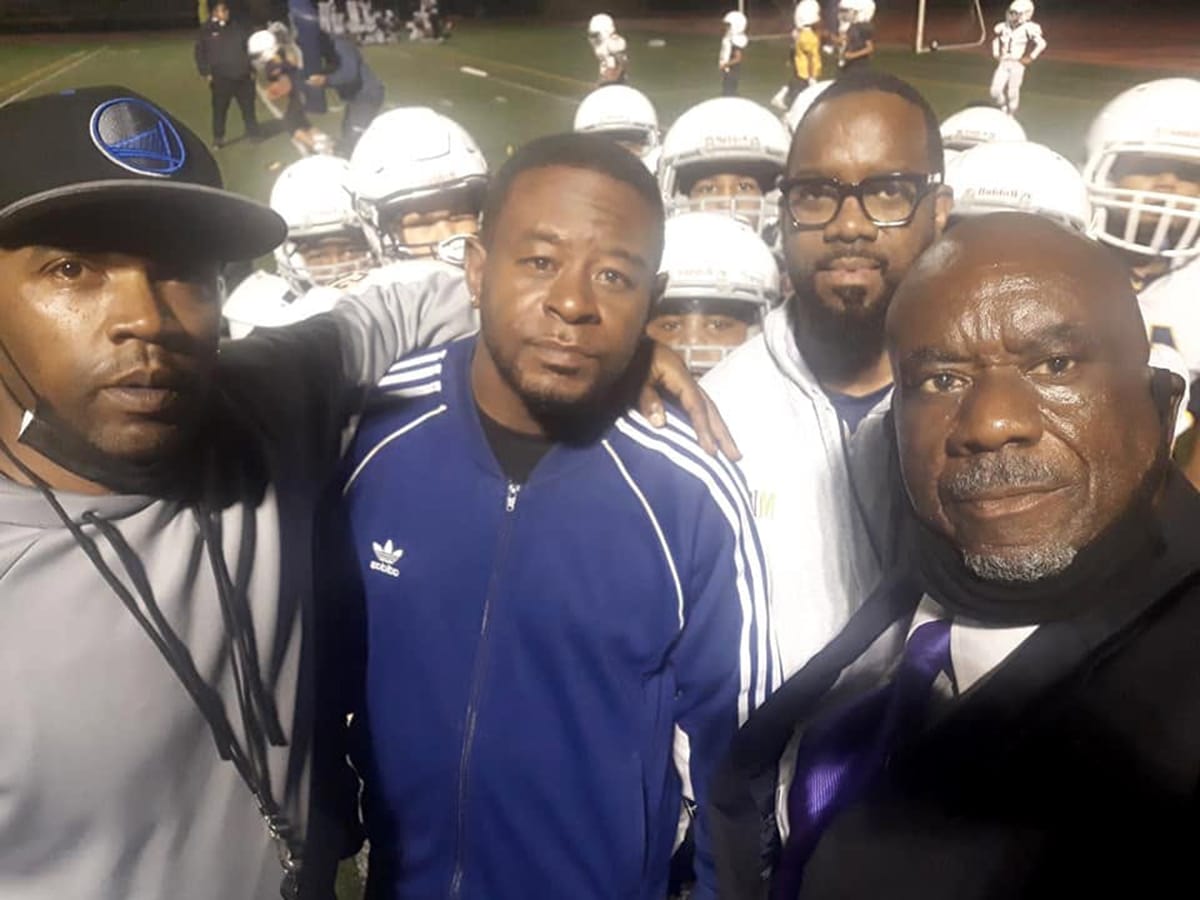
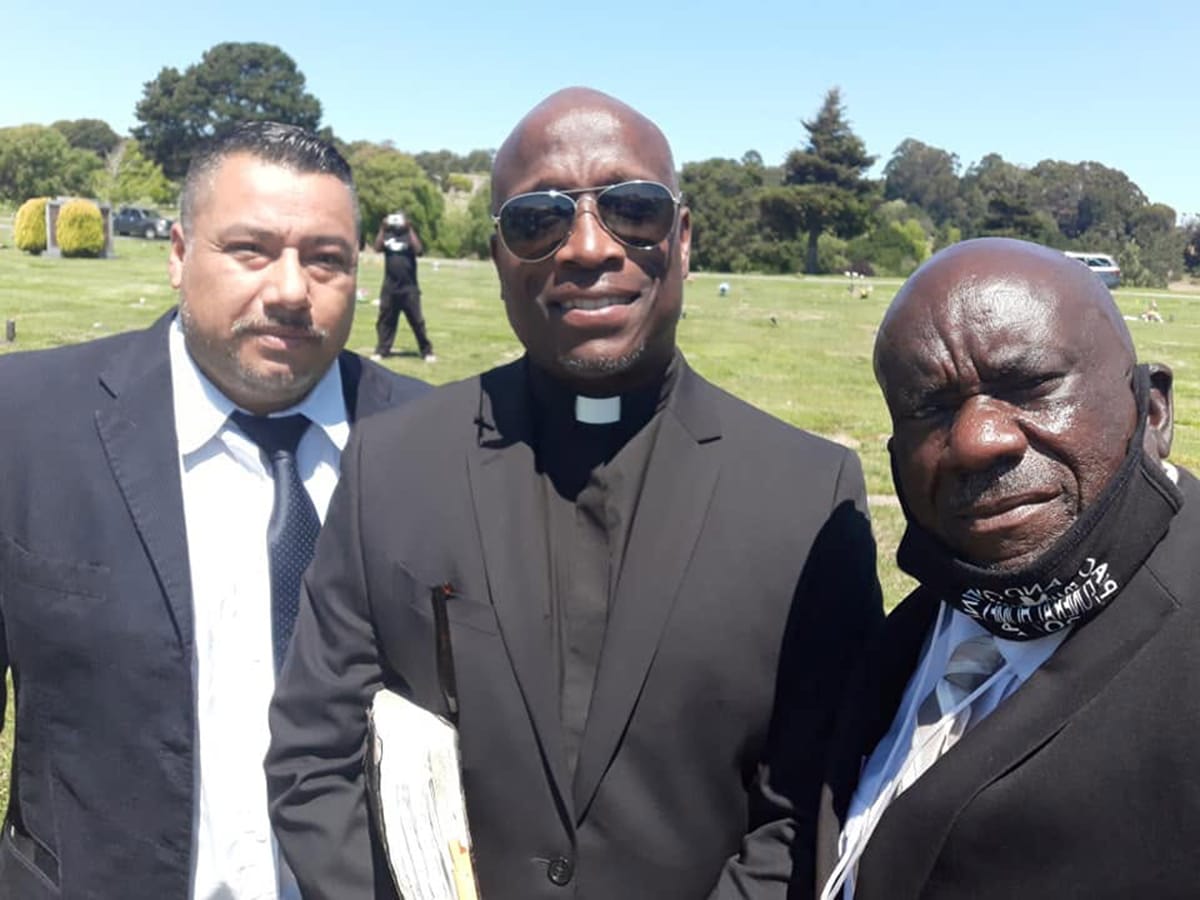
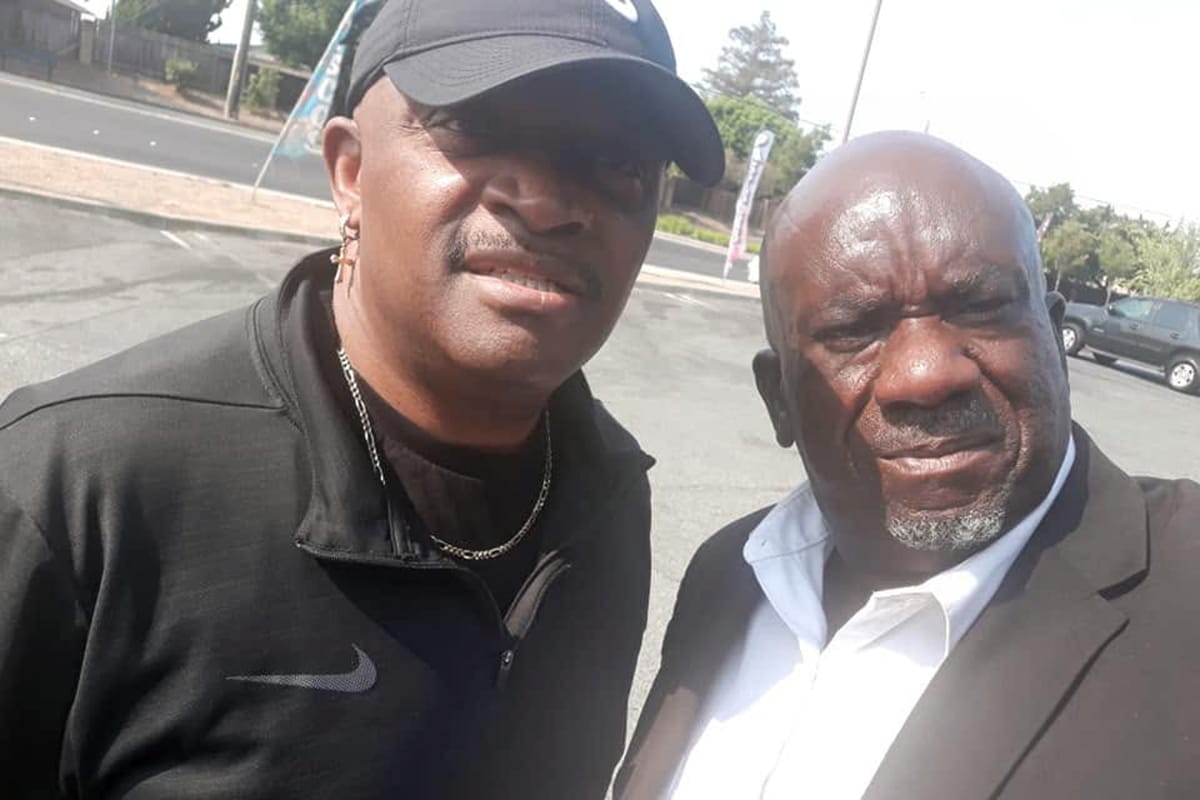
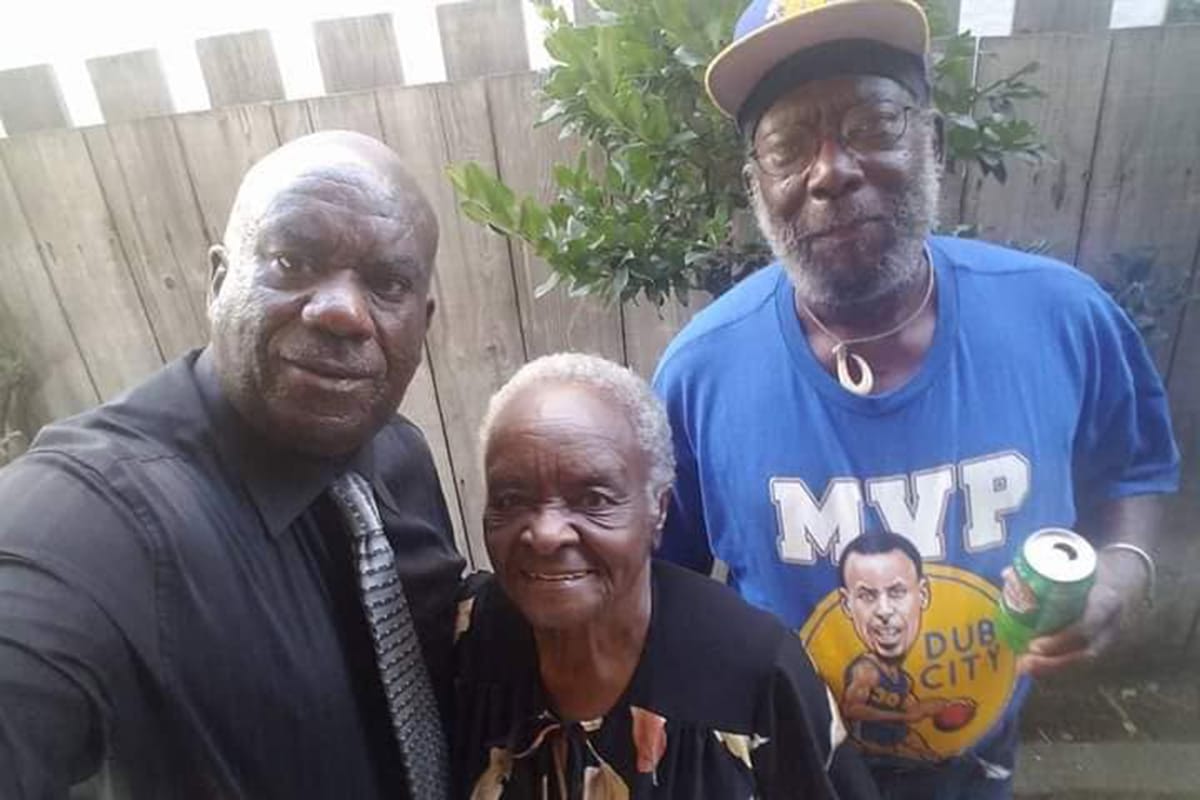
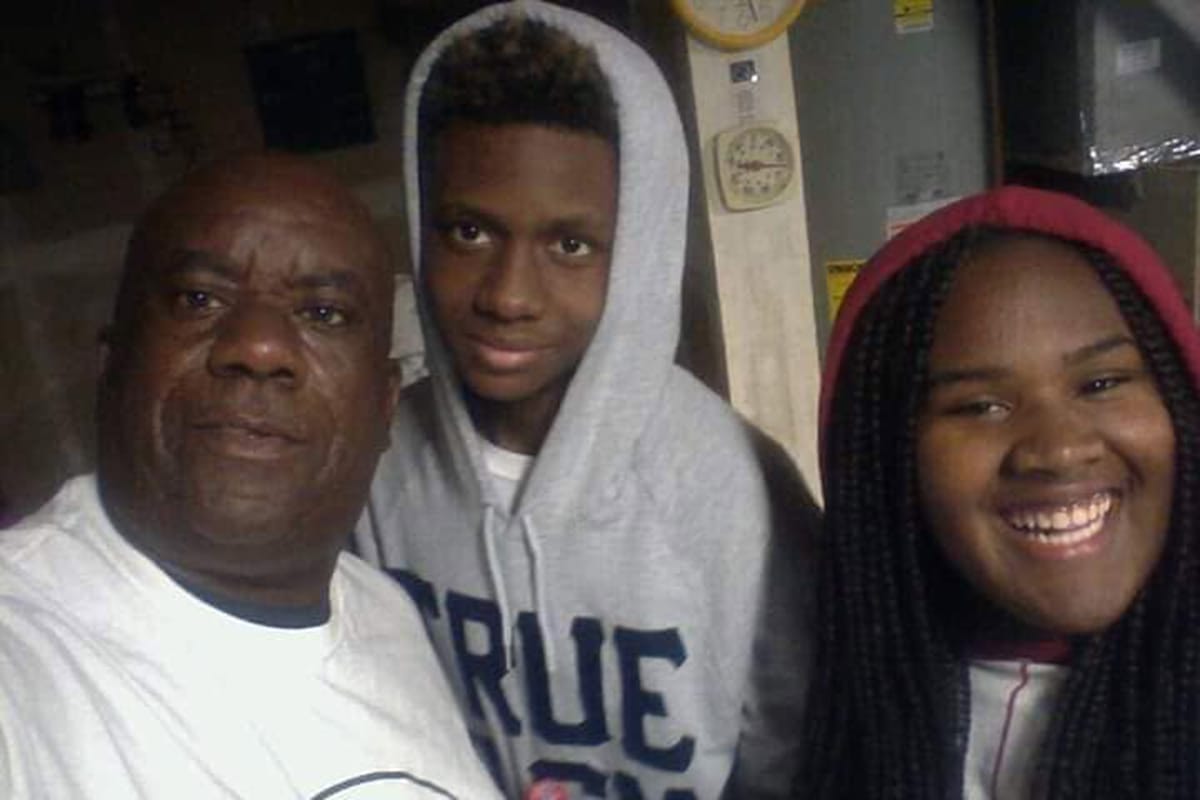
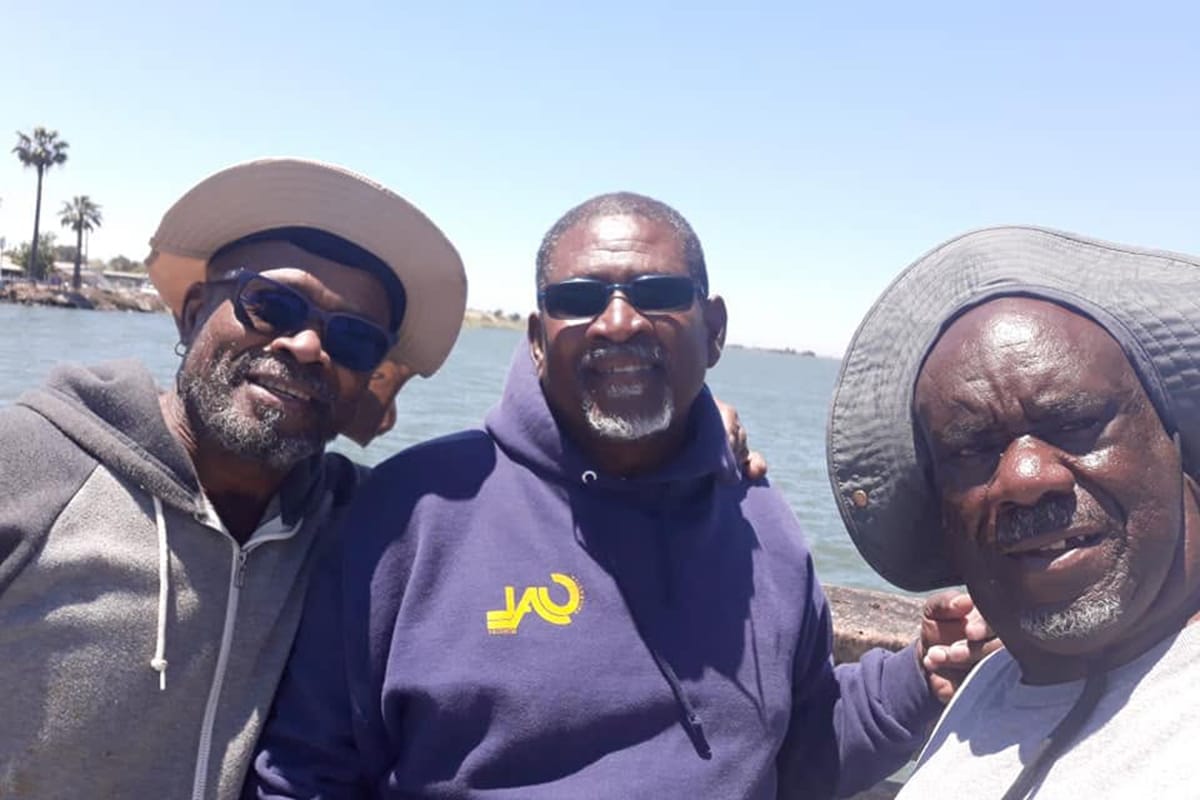
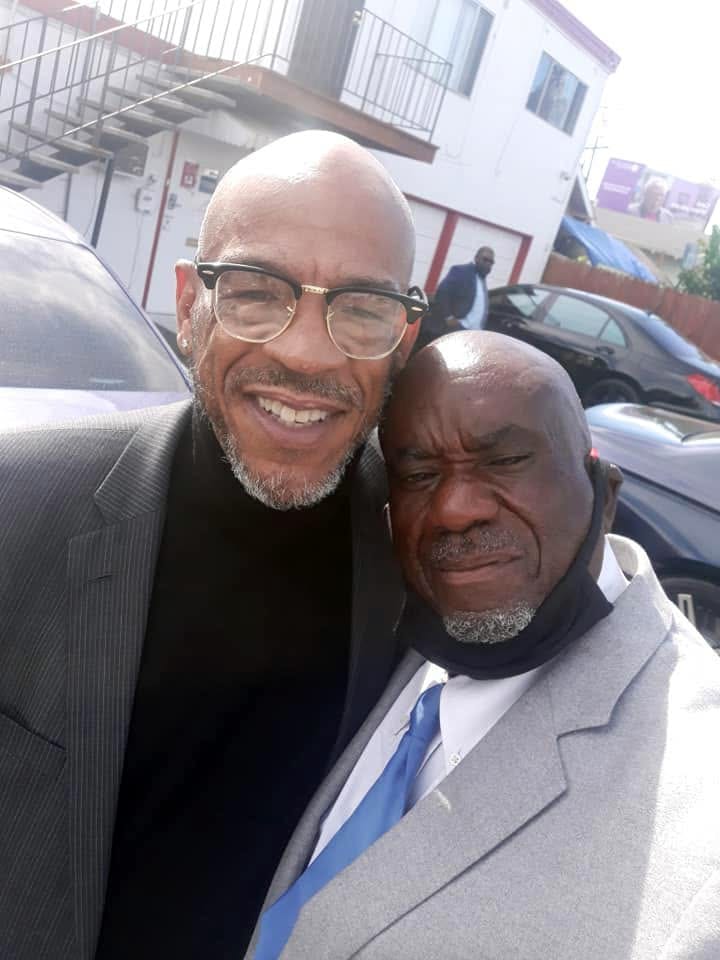
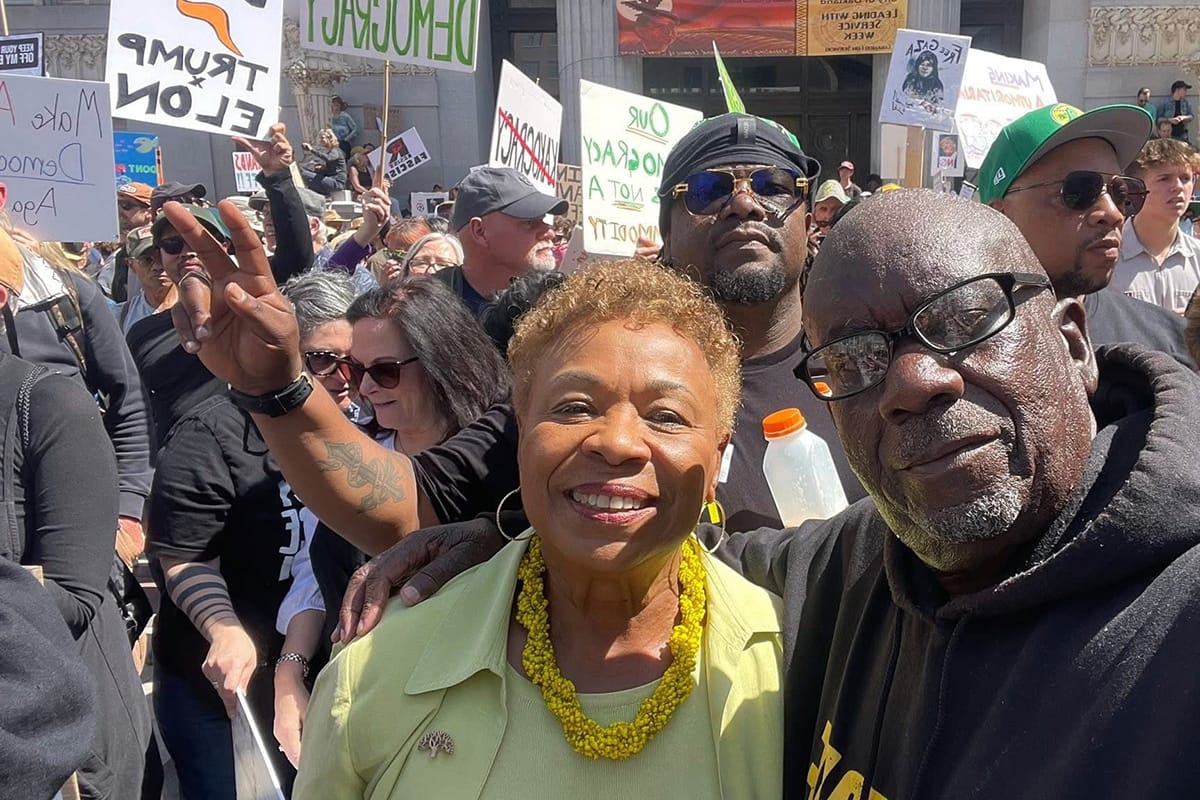
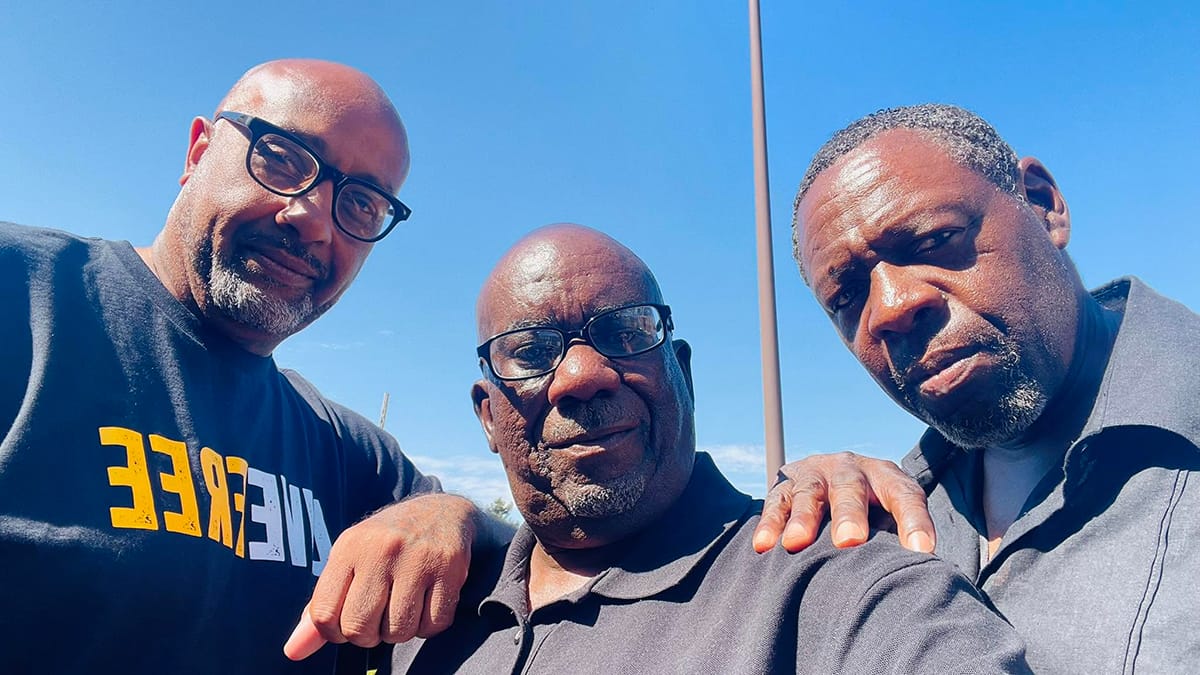
A selection of Todd Walker's many Facebook selfies with family and friends. Courtesy