Berkeley police staffing hits new low amid layoff concerns
A new citywide "budget reduction plan" is expected this week as Berkeley braces to tackle a projected $29 million deficit.
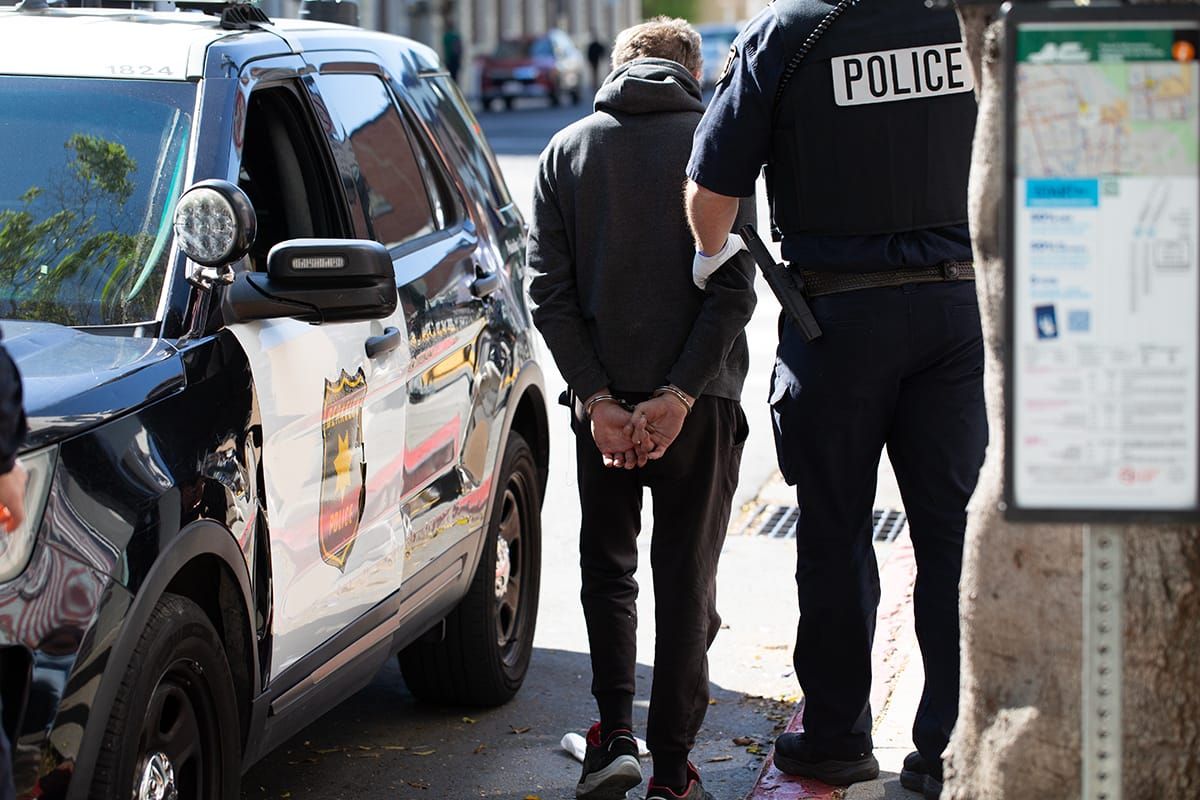
Berkeley police staffing has reached record lows again, with smaller patrol teams, more open beats and potentially dozens of vacant officer positions on the chopping block.
In recent interviews with The Scanner, officers cited several reasons morale is at rock bottom for many on the force: from the lack of modern tools, advancement opportunities and special assignments to mixed political support and questions about department leadership.
Most of the officers spoke with The Scanner on condition of anonymity because they are not authorized to speak with reporters on the record.
In recent months, a new threat has arisen: The allure of policing in San Francisco, which seems to have answers for everything Berkeley lacks, from tools and special units to a boldly supportive mayor and significantly higher pay.
At least seven Berkeley police officers have already joined SFPD or are expected to do so soon. Even more are still considering the switch.
Officers on the list include a promising sergeant, two female officers, a Black officer and last year's officer of the year. Those losses are a blow for a department that has always emphasized diversity.
The group comprises veteran cops as well as younger officers, including some of the department's most proactive.
"It should be ringing alarm bells with the chief," one officer told The Scanner. "She didn't even reach out to anyone to do an exit interview."
In addition to the San Francisco problem, another 25 Berkeley officers are eligible to retire this year.
And the department, along with the rest of city, is facing more tough times in the coming months as officials decide how to tackle a $29 million deficit.
Last week, some city staffers received warning notices about possible layoffs, sources said.
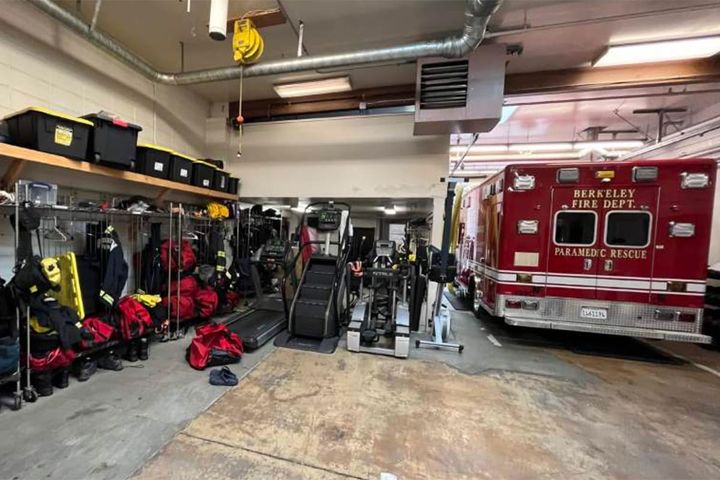
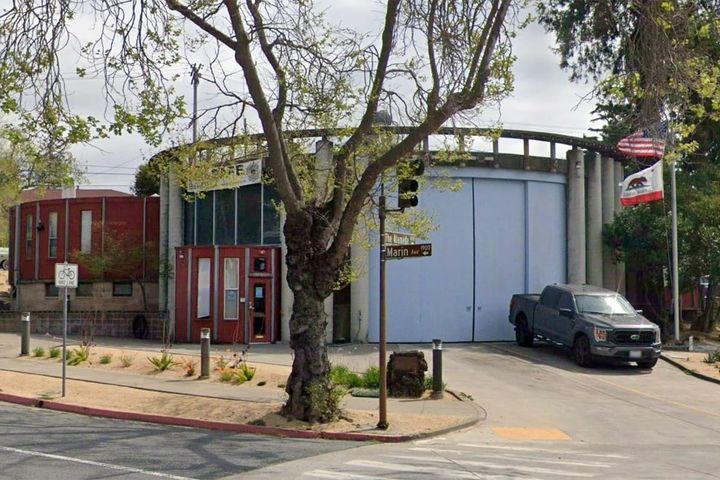
The Berkeley Fire Department has been advised of potential layoffs, along with the possible closure of one of the city's seven fire stations — which handles 1,800 calls a year and helped extinguish a blaze that spread to two Berkeley Hills homes last month.
Under the current plan, up to 20 firefighters could be laid off, a staffer said.
On the police side, 32 open positions could be eliminated. There are rumors that recruits in the academy could be cut.
It's still early and the numbers could change, according to available materials, particularly if Berkeley voters approve a proposed sales tax increase this fall.
On Monday, The Scanner asked the city for details about last week's notifications but had not heard back as of publication time.
Many city staffers say they remain confused about exactly what will happen next.
An "all-employee Zoom" is set for Tuesday followed by a public budget committee meeting Thursday when a new "budget reduction plan" will be presented, according to internal materials reviewed by The Scanner.
"There are positions within our department that are part of the proposed reduction plan," Berkeley Police Chief Jen Louis wrote in an email to her department. "There is also a plan being proposed to reduce the reduction."
"Nothing will be finalized for several months," she wrote.
Berkeley police union says BPD is "depleted"
BPD and police agencies around the nation have struggled for years with critically low staffing as interest in the profession has waned, due in part to high-profile in-custody deaths and waves of public criticism.
"The fact is, no one wants to be a cop anymore," one Berkeley officer told TBS recently.
Veteran Berkeley officers recall the days when 1,000 people would apply for four BPD spots. Now, it's less than a hundred.
And, with multiple agencies fighting over the best candidates, the rest of the hiring pool has become less impressive than it once was, some say.
According to the Berkeley Police Association, the union that represents BPD officers, the department has about 137 sworn officers, at least 15 of whom are on modified duty or off work entirely due to injury or other factors.
The department is authorized to have up to 181 officers but has hovered in the 150s for years, if you count officers in the academy or in field training.
And, despite a years-long recruitment effort, BPD has only managed to keep up with retirements, not actually grow the ranks.
"We're just swapping one body for another," said Sgt. Neil Egbert, Berkeley Police Association president.
Historically, BPD has used money from open positions to fund overtime to keep its patrol beats filled and help with investigative work that's not getting done otherwise because of unfilled detective positions.
If BPD's vacant positions are eliminated, that could become much more challenging, officers say.
When the new patrol schedule goes into effect at the end of the month, it is set to include just 54 officers, about 7-8 per team, police said.
The new schedule usually begins in March but it was pushed back a month due to the staffing shortfall.
In recent years, the department already reduced the number of beats, from 18 to 14, so it takes fewer people to keep them filled.
But larger beats mean more calls to handle and more ground to cover. It's a tradeoff.
"We're at the lowest number we've been," Egbert said. "We're handling everything but what's the quality?"
He acknowledged that, overall, police calls for service are lower than they used to be.
But, on average, he said, individual Berkeley officers are handling more calls and writing more cases than in years past.
That's an issue particularly because Berkeley PD prides itself on its level of service.
If you call dispatch in Berkeley and say you want an officer to respond, you can get one in most cases, he said.
That's very different from nearby agencies where online reports have become the norm in many cases.
"We've always been the concierge police department of the area," Egbert said. "You can't expect that level of service from a depleted staff."
A decade ago, in 2016, BPD had 75-80 officers on patrol, compared to 54 (or fewer) now, he said, under the new timesheet.
In 2020, the department had 174 sworn officers, nearly 40 more than it has now.
 Emilie Raguso
And, with "very few officers in the pipeline," and rumors of potential layoffs, the path to recovery remains unclear.
As it stands, open beats have become more common, and they're only expected to increase — due to lower staffing and more restrictions on when supervisors can sell overtime to fill them.
Until now, Egbert said, BPD has "traditionally not lost people locally" in large numbers to other departments.
Individual officers might move for a promotion or to be closer to home, but Berkeley's high pay and compensation, and the strong department culture, has historically been enough to retain most of the police it has.
San Francisco has changed the equation, and not just for Berkeley.
It's no secret why. SFPD has touted its "aggressive hiring strategy," noting last fall that nearly 200 officers from other agencies had applied for jobs there, "a 364% increase" over 2024.
Those lateral applications are critical for any department seeking to staff up, because they slash the time it takes to reach solo status on the street, from about a year for new recruits to a matter of months.
Berkeley has had some success with lateral candidates in the past, but that's largely not the case now, Egbert said — because coming to Berkeley may mean losing standard tools they're used to and rely on for safety, like Tasers; or having limited access to helicopters, drones, cameras and K-9s, which have become more common elsewhere.
"Many candidates will just not even look at our department," he said.
For now, Berkeley police do have access to Flock cameras, and hope to expand their use in the future — but an upcoming council vote has yet to determine that.
"If we lose it, it's going to be such a blow to morale," one veteran officer told The Scanner. "There's just a lot of fear and uncertainty that we'll lose the one thing that's keeping a lot of officers engaged."
To that end, Berkeley officers have described Flock license plate readers as "the singular piece of technology" the city has approved for police use in decades, their one modern advantage.
Meanwhile, San Francisco "has the technology. They have the support," the officer went on. "If we lose any more people, it's really going to hurt us."
Add to that, Berkeley PD's pay and compensation just aren't as competitive as they once were, multiple officers told The Scanner.
"Why work somewhere where, essentially, your hands are tied behind your back for politics," another longtime officer said. "It's frustrating. And I don't see how anything's going to get better anytime soon."
The Scanner will continue to cover the city budget and police staffing closely.