How will Berkeley budget cuts affect Berkeley Fire?
The worst impacts have been staved off for now, but CERT and the city's new Street Trauma Prevention program are still at risk.
By Karina Ioffee
Cuts are coming to all city departments as Berkeley works to address a "persistent general fund structural deficit" driven in part by growing health care and pension costs.
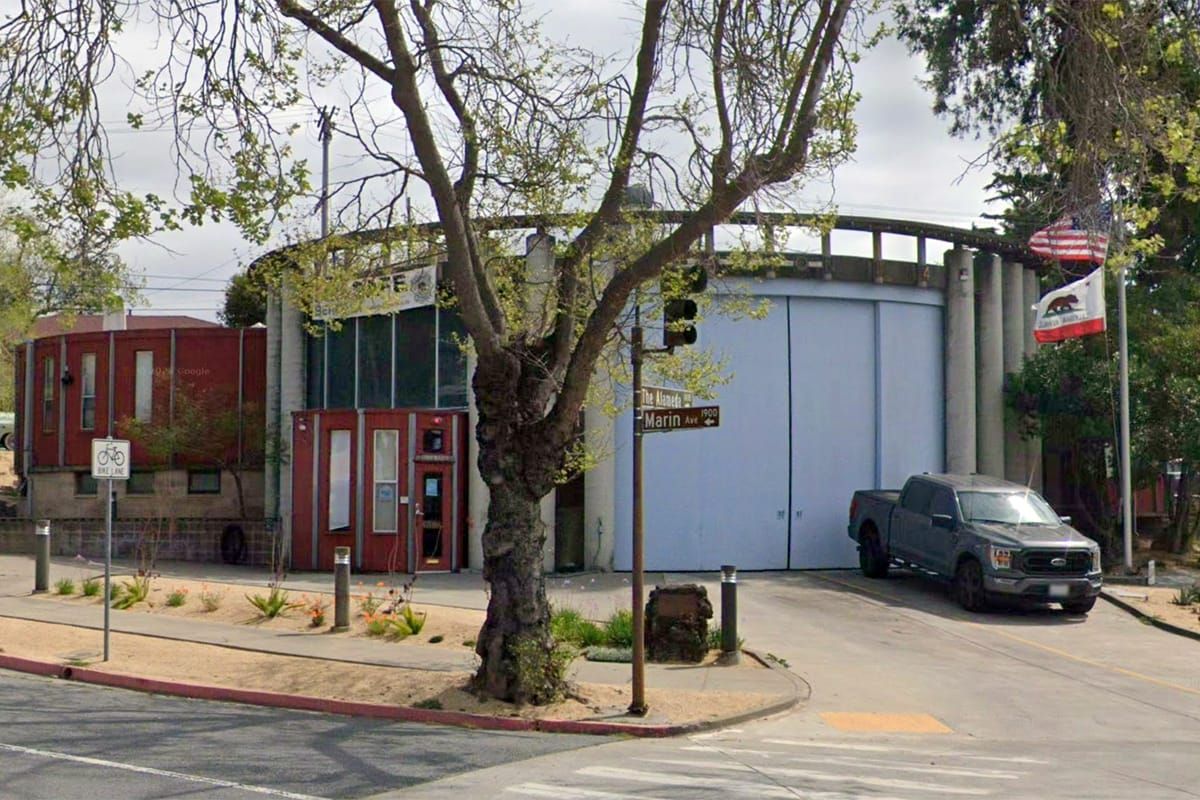
At the Berkeley Fire Department, the reductions mean a possible loss of up to 14 positions over the next two years and closure of Fire Station 4 in North Berkeley.
But at a time when the department is already struggling with increased call volume, the cuts could very well impact the agency's ability to respond quickly to medical emergencies and fires, Deputy City Manager David White told the Berkeley City Council on Tuesday night.
"Over the past 20 years, Berkeley has experienced significant growth, and is taller, denser and more urban," White said. "Call volume has increased 36%, to over 17,500 calls for service."
"Closing this station will certainly degrade response times and first-alarm effectiveness in its service area and adjacent districts," he said.
Berkeley officials are banking on the passage of a half-cent sales tax in November to keep the station open and fund its nine firefighter positions. The measure is expected to raise about $9 million per year for the general fund.
But if it fails, it may mean closing Station 4, in addition to other cuts to critical services.
Although it's considered the second slowest in Berkeley, the Marin Avenue station still responded to 1,538 calls last year, including 28 fires, 966 medical emergencies and 17 cardiac arrests, the city said.
Amory Langmo, president of IAFF Local 1227, which represents Berkeley firefighters, said any new cuts to the fire department, this year or the next, would be catastrophic to BFD's ability to respond to incidents.
"We're already falling behind based on the growth and development of the city in terms of the services we should be providing," Langmo said. "If we reduce our firefighters, it's going to kill people."
"What this is going to do is make response times in certain areas go up to eight or nine minutes," he continued. "Imagine you're short of breath or choking, try holding your breath for eight minutes. You're lowering the chances of survival in really vulnerable neighborhoods, like the Berkeley Hills, where many older people live."
 Guest Essay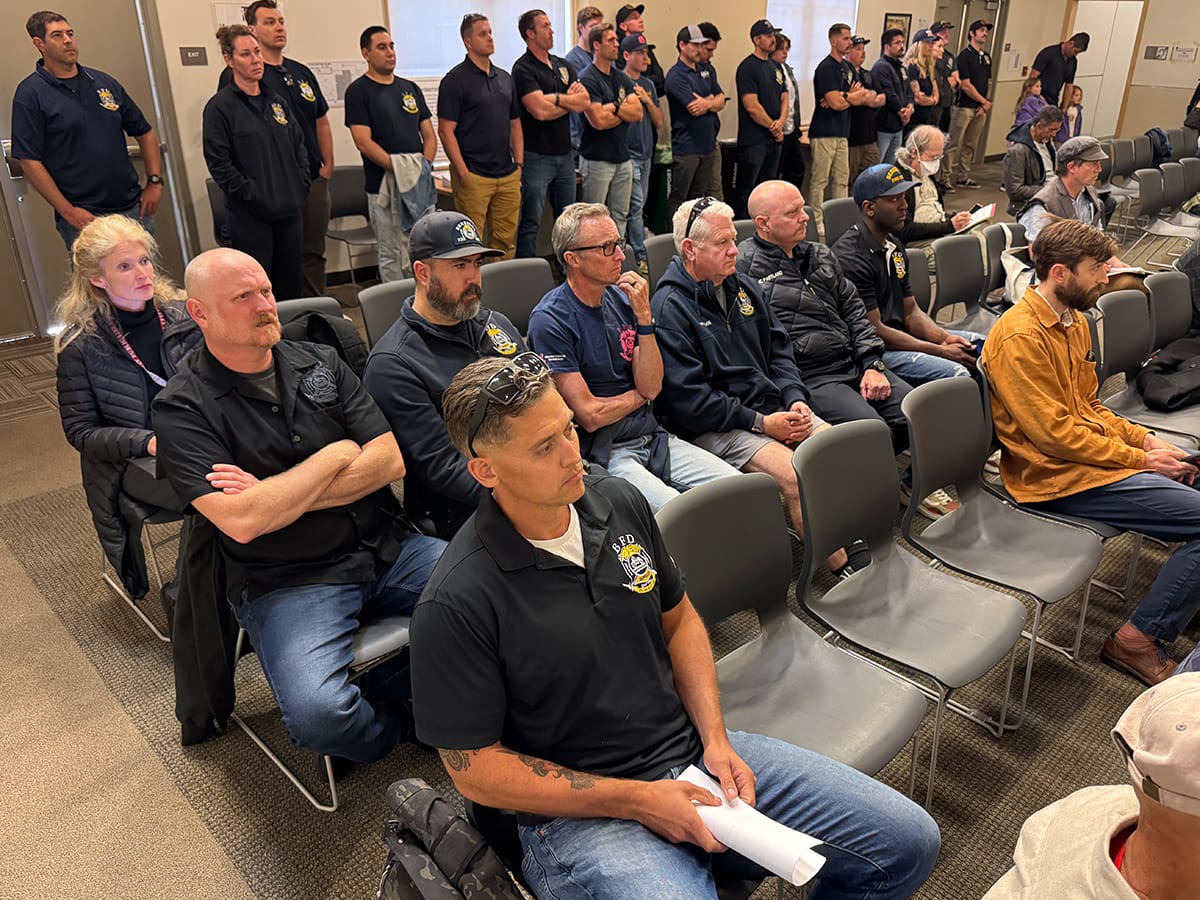
A June 2023 analysis commissioned by the Berkeley Fire Department found that the significant growth of the city over the past decade has resulted in an increased call volume that has been a challenge to the agency.
It takes the first BFD crews nearly two minutes longer to arrive on scene than the four-minute best practice goal, the study found. Their call-to-arrival time is "significantly slower" than the goal of seven minutes and 30 seconds.
Berkeley taxpayers have passed two measures over the past two decades to raise money for the Berkeley Fire Department: Measure GG in 2008 and Measure FF in 2020, which together bring in more than $16 million a year.
The tax measures generate about 30% of Berkeley Fire's general fund budget, which is about $50 million.
On top of that, the fire department earns revenue by conducting fire prevention inspections (of local businesses and apartment buildings) and through ambulance rides, raising $9 million a year for the general fund, the union said.
But, with the majority of the department's budget used for staffing, there are few reductions that don't directly impact emergency response and service delivery, said Councilwoman Shoshana O'Keefe, whose district includes Fire Station 4.
"This is one of the most difficult and serious budget environments Berkeley has faced," O'Keefe said in an email. "While the proposed cuts to the Fire Department are severe, they are similar in scale to cuts being proposed across other departments and city services, many of which also generate revenue as part of their operations."
O'Keefe said it was important to keep in mind that the proposal is just that — but still worried about the impacts on residents if the station is shuttered.
"I cannot accept the proposal to close Fire Station 4 if the sales tax measure does not pass," O'Keefe said. "The most important thing we can do now is advocate for the passage of the sales tax."
Likely voters have expressed support for the November sales tax. But, if it does fail, the issue would come back to council for a public process, officials said this week.
Still, the prospect of even a potential fire station closure has loomed over recent budget talks.
If Station 4 closes, the closest remaining fire houses would be Station 2, downtown on Berkeley Way, Station 6 at Cedar and Eighth streets, and Station 7 at Grizzly Peak Boulevard and Shasta Road.
The Shasta station is the slowest, but it's isolated, Berkeley Fire Chief David Sprague explained to officials Tuesday night, and doesn't have the benefit of coverage on three sides.
In addition to geography, call volume played a key role in his thinking, he said.
"If there was a station to close, you want to close a lower volume station. Because all those calls don't go away. They have to be redistributed," he said. "There's no good firehouse to close. Each firehouse has a huge impact."
Sprague said he's still working to determine how a Station 4 closure would impact Berkeley response times.
Kate Darby Rauch
As it stands, the Marin station and its firefighters are safe. But other BFD cuts are still part of the proposed budget.
If approved, they would eviscerate much of Berkeley Fire's disaster preparedness program, laying off five Community Emergency Response Team (CERT) instructors and ending CPR and fire extinguisher training.
The cuts would also make it harder for BFD to apply for grants, and end the city's nascent Street Trauma Prevention program. The program partnered the Berkeley Fire Department with city planners with a goal of designing streets that are safer for cyclists and pedestrians without slowing response times.
Three filled positions in the fire department — a fire captain, a program manager and an analyst — are still set for layoffs come July, in addition to two vacant positions: a fire marshal and a fire inspector.
Another eight vacant fire positions (firefighters and paramedics), which were frozen this year, are unfunded again in the new budget.
Langmo, with the union, said another nine firefighter positions, which are grant funded, will also be at risk by March 2028 if the city doesn't step up.
On Tuesday night, Councilman Brent Blackaby, who represents the Berkeley Hills, said he also could not vote for a budget that closed Fire Station 4.
Along with his colleagues on the dais, he urged support for the sales tax, which council members voted Tuesday to back.
Before the meeting, Blackaby told The Scanner that, while increasing taxes is "never my first, second or even third choice," Berkeley's sales tax of 10.25% is on the lower end for East Bay cities.
Emeryville's sales tax rate is 10.5% and shoppers in Alameda, Albany and Hayward pay 10.75% on each sale. Last year, Oakland voters approved a measure to raise the city's sales tax to 10.75% over 10 years.
"Sales taxes are just one of many options for cities during hard times," Blackaby said. "I'm also thinking about how to get development projects that are stuck moving again, stimulating business activity and keeping the innovation that starts at UC Berkeley in the city — because all of these things will increase our revenue."
Karina Ioffee is an East Bay journalist whose writing has appeared in Berkeleyside, East Bay Times, Guardian and other publications.
Read more about the city budget in past Berkeley Scanner coverage.