Solano Stroll in peril in Berkeley without $300K from city
Organizers say security measures, including street barricades, have driven up costs and may threaten the event's survival.
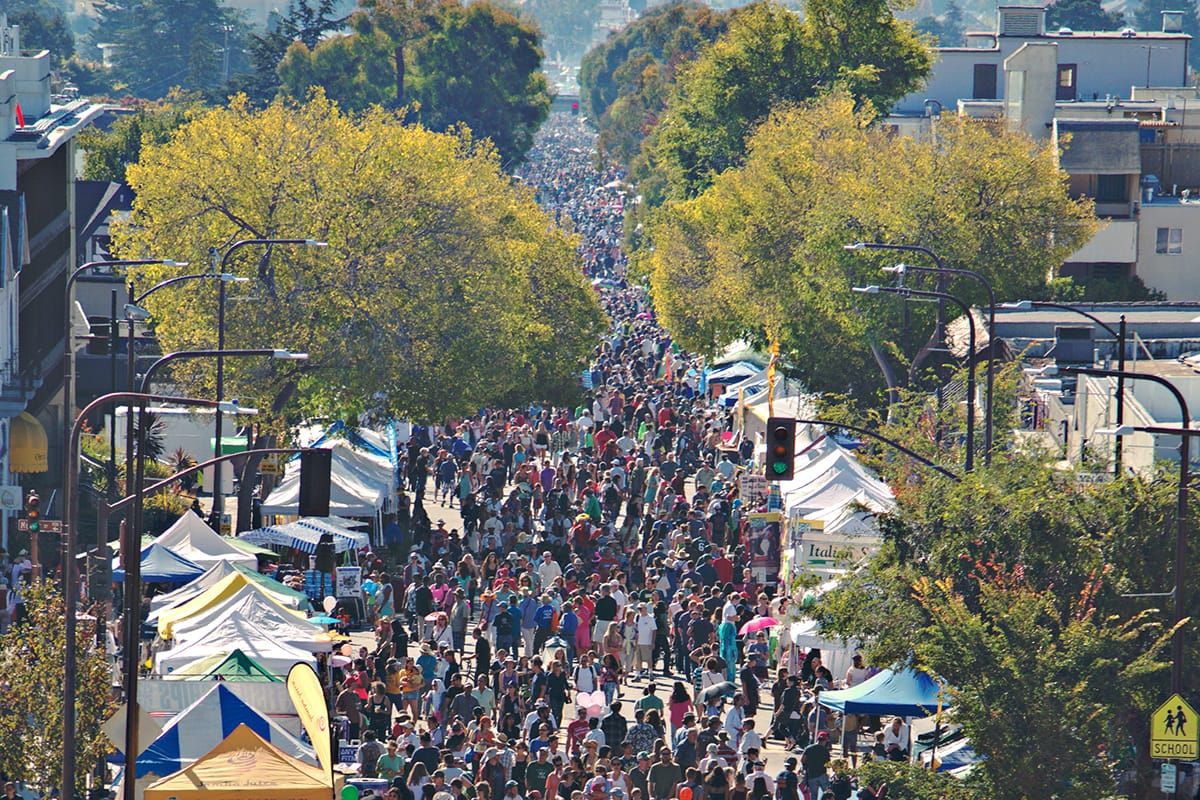
The Solano Stroll could "cease to exist" in Berkeley without significant city support — estimated at $300,000 over two years, records show.
Organizers say they may have to hold the event in Albany alone this year if they can't find a solution to the funding shortfall.
Councilwoman Shoshana O'Keefe, who represents North Berkeley, where part of the 50-year-old festival takes place, has asked the city to consider a new budget request to keep the Berkeley Stroll alive.
"There is truly no other event like this in Berkeley," she said Wednesday. "For the last 50 years, it’s brought together families, neighbors, artists, nonprofits, musicians, small businesses and the larger community in a way few events still do."
O'Keefe described the Stroll as "more than just a street fair," offering a chance to "celebrate and showcase the diversity of our community, and the creativity and vibrancy of our beloved local businesses, shop owners and community organizations."
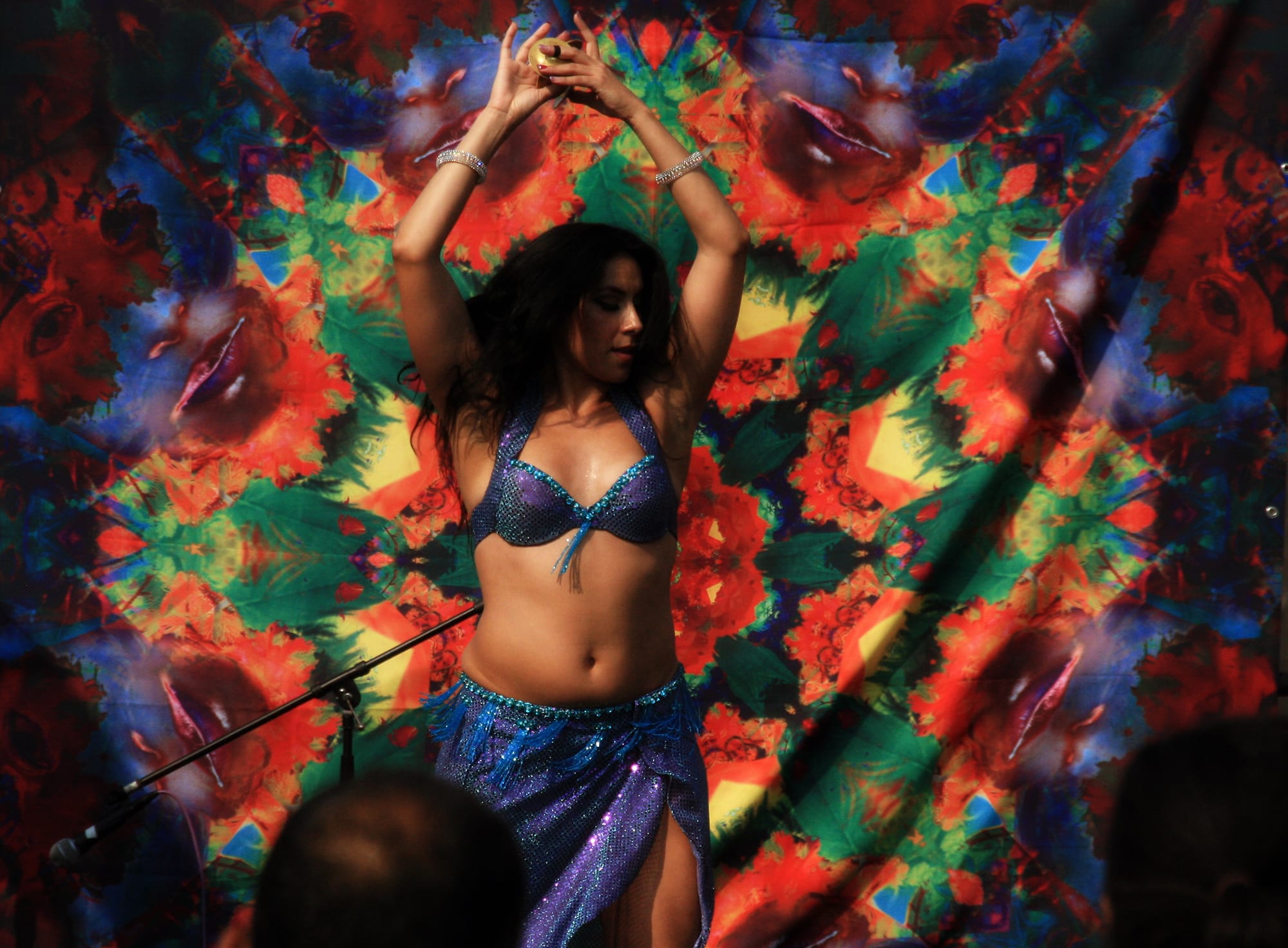
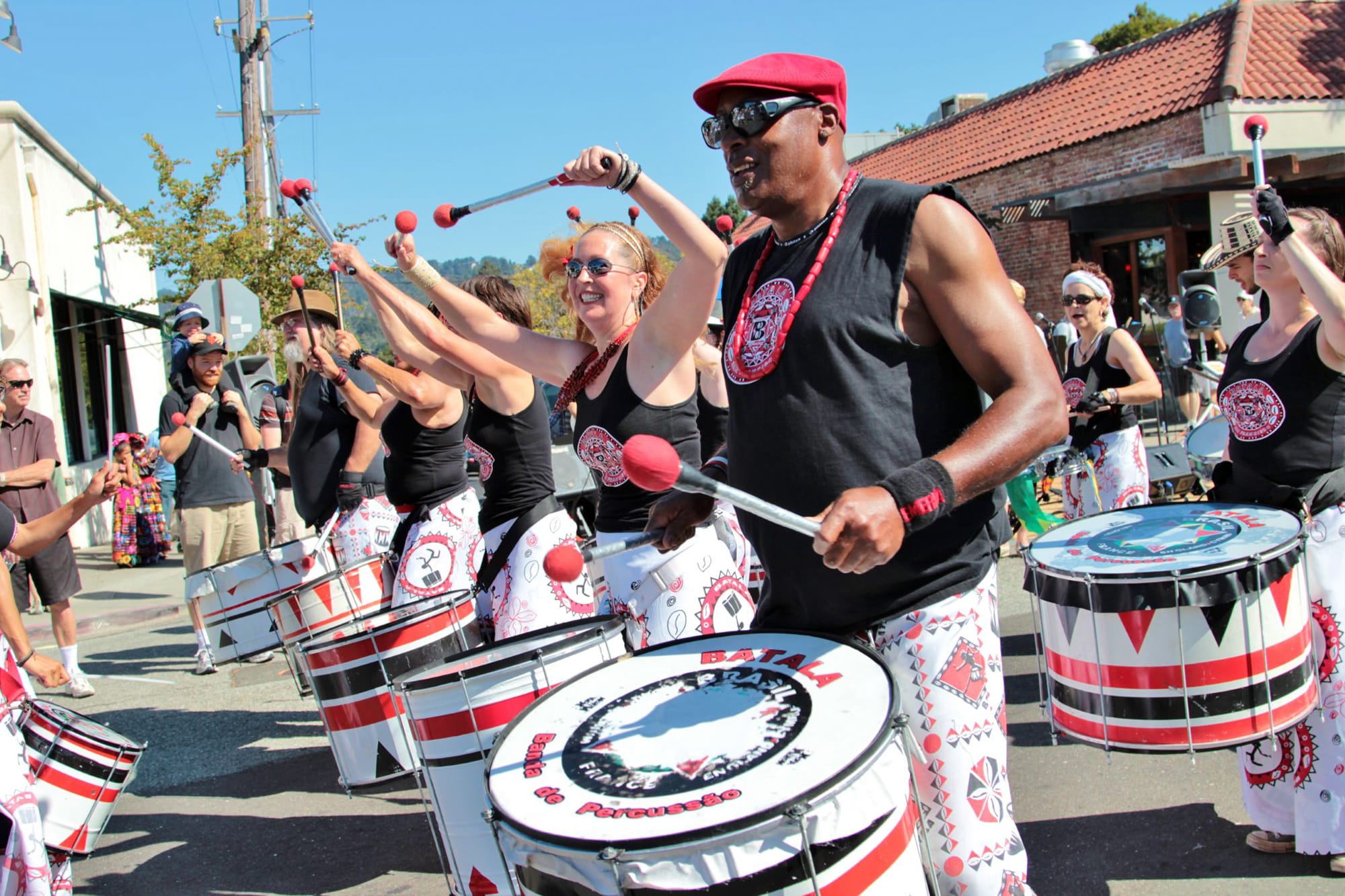
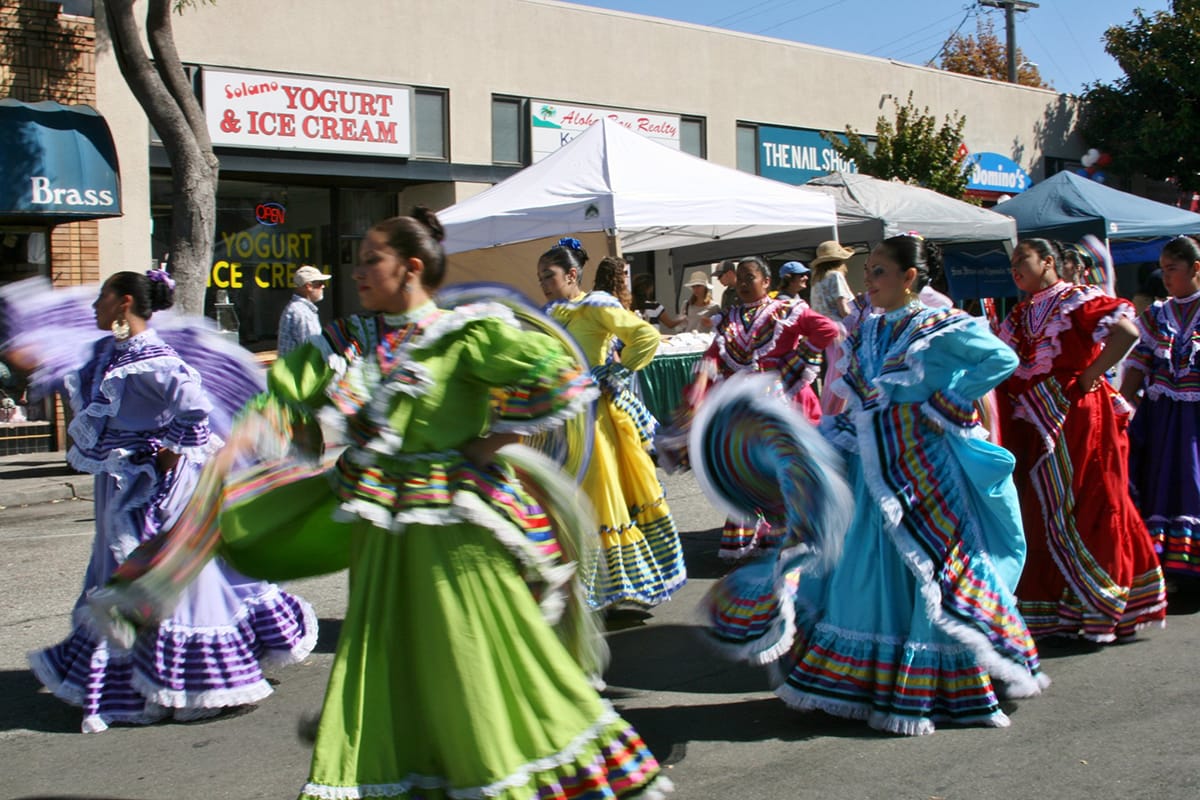
Hundreds of local businesses and nonprofits take part, with performances from school bands and local entertainers throughout the day while much of the 2-mile-long street is closed to traffic.
Still: It's a tough time for the ask, with Berkeley facing a projected $30 million deficit in each of the next two years. Municipal jobs and programs are on the chopping block.
Her item is set to go before a City Council budget committee Thursday morning.
In the proposal, O'Keefe and co-sponsor Brent Blackaby, who represents the Berkeley Hills, said they don't want the Stroll to go the way of the Kite Festival and July Fourth fireworks — two of many beloved Berkeley events that have been canceled indefinitely by fee hikes in recent years.
Over the next two years, they have asked the city to contribute a total of $162,000 in city services (police, fire, waste); $115,000 in street closure supplies — including $100,000 for street barricades; and $20,000 in sponsorship fees to the festival (to help with shuttle service).
Organizers say the Solano Stroll is the largest street fair in the East Bay, drawing 250,000 people to Berkeley and Albany each year on the second Sunday of September.
In her item, O'Keefe wrote that the city previously "provided in-kind services such as police, fire, and public works to support the event." But, given its ongoing structural deficit, "the City is no longer able to provide these services at no cost."
Without city help, "the event will not be able to move forward" in Berkeley, says the Solano Avenue Association, which puts on the Stroll.
Earlier this month, nine "Upper Solano" residents and business owners wrote a letter to the Berkeley City Council pleading for help.
Without support for the Stroll, they wrote, "there is a strong likelihood it will only take place in September 2026 on the Albany side of Solano Avenue. This would be a terrible loss."
In an exclusive interview this week, Allen Cain, who runs the Solano Avenue Association, said rising city staffing and security costs — particularly from street barricades designed to stop drivers — had put major pressure on the event.
The steel Archer barriers, which come from Pasadena-based Meridian Rapid Defense Group, Cain said, are used for "Hostile Vehicle Mitigation," according to the company website.
"Engineered for high-security environments, this 'Drop and Stop' anti-ram portable vehicle barrier protects people and critical infrastructure by stopping unauthorized vehicle access," Meridian writes. "Ideal for entry points, roadways, construction sites, and public events, it is easy to deploy in under 10 minutes."
Cain said the barriers showed up at the Stroll in 2022 — but he wasn't quite sure how. As he tried to learn more, both cities pointed to each other.
Cain said Albany officials had also tried to get answers, but were given "the runaround."
However it started, one thing is clear, he said: The cost of the barricades keeps growing.
According to Cain, the price tag was $80,000 in 2022 and is now more than $100,000.
"They keep going up," Cain said. "Meanwhile I'm thinking, these things take up a lot of attention. I hope we're dealing with other threats."
The increase may be due to the number of barriers in use (Cain said it's now 300) along with more police and firefighters at the event. But he said he'd been unable to get clear answers.
This year, he said, the Solano Avenue Association had added a $68 "Meridian Safety fee," on top of the normal participation fee for vendors, to help cover city charges.
 Emilie Raguso
Going forward, Cain said he fears the Stroll, which has no history of security issues, won't be able to support rising costs — particularly if they keep ballooning.
"Yes, the event is at risk," he said. "They're going to kill the golden goose."
This year, the city of Albany put forward $100,000 for the Stroll: $60,000 in in-kind services and $40,000 for the barricades, Cain said.
Albany’s stretch of Solano Avenue hosts about two-thirds of the event.
Cain said Berkeley's 2026 assessed fees are $200,000, with $50,000 for the barricades — despite just a third of the Stroll taking place in Berkeley.
The Solano Avenue Association also spends about $75,000 on the event each year, Cain said.
He continued: "It cannot be a $400,000 festival. We can't afford that."
One reason Berkeley's costs are higher is that many more Berkeley police officers work the Stroll, picking up overtime shifts.
Even with Berkeley's police staffing struggles, its officers can cover more ground. (Albany has just 27 officers to Berkeley's 120-plus.)
Looking back, Cain said, he wished there had been the chance to weigh in on other types of security solutions, or a process to assess the need for the barricades, before they had been baked into event costs.
But he said he doesn't see either city changing course now.
Cain also questioned whether the barricades are widely used at other large Bay Area events, noting that he and others he'd asked hadn't seen them around.
Stepping back, Cain said he understands there's a broader context, given Berkeley's budget woes.
"It's hard to advocate for a street festival when people are losing their jobs," Cain said. "But my job is to advocate for the Solano Stroll."
This week, Cain credited Councilwoman O'Keefe with stepping up to save the Stroll.
And he said he is prepared, come September, to limit the event to the Albany portion of Solano as a worst-case scenario.
"It would be so sad and awkward," he said. "But, again, people are losing their jobs."
The 50th Solano Avenue Stroll will take place Sunday, Sept. 13.