Solano Avenue bike lane plan gets early look in Albany
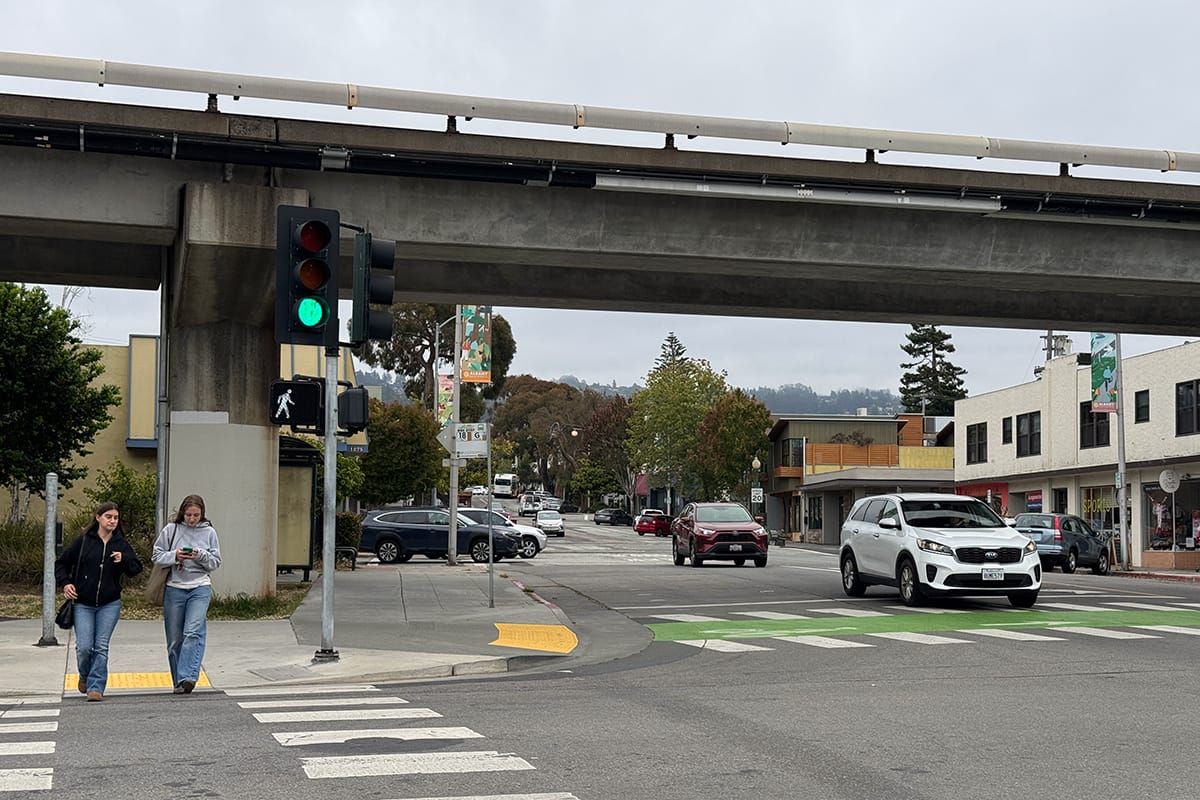
Albany is considering a protected eastbound bike lane on Solano Avenue from the BART tracks to the Berkeley border.
By Allyson Aleksey
A plan adopted Monday by the Albany City Council lays the groundwork for a protected bike lane on Solano Avenue, a key commercial corridor for Albany and North Berkeley alike.
The Albany City Council approved its new Active Transportation Plan in a marathon meeting following lengthy public comment and discussion focused largely on proposed changes to Solano Avenue. The city last updated the plan in 2019.
The Albany portion of Solano Avenue runs east to the Berkeley border at Tulare Avenue. The corridor, which serves as the main commercial district for Albany and a shopping destination for many Berkeley residents, was identified by city staff as one of Albany's most dangerous streets for people walking and biking.
According to staff documents, between 2013 and 2022, Albany recorded 69 bicycle injury collisions and 87 pedestrian injury collisions, with Solano Avenue, San Pablo Avenue and Marin Avenue identified as sites with the highest numbers of bicycle injury collisions. In 2019, there was a fatal pedestrian crash at Solano and Jackson Street.
"The City has found Solano Avenue to be one of the highest injurious streets for people biking, and the Alameda County Transportation Commission found Solano to be one of the highest injurious streets in the county," Councilman Preston Jordan said Monday. "I don't understand how this wouldn't be the focus [of the updated plan]."
Albany's Active Transportation Plan includes proposed improvements to bike lanes, pedestrian crossings and other city infrastructure projects that make it safer and easier for people to walk and bike in the city.
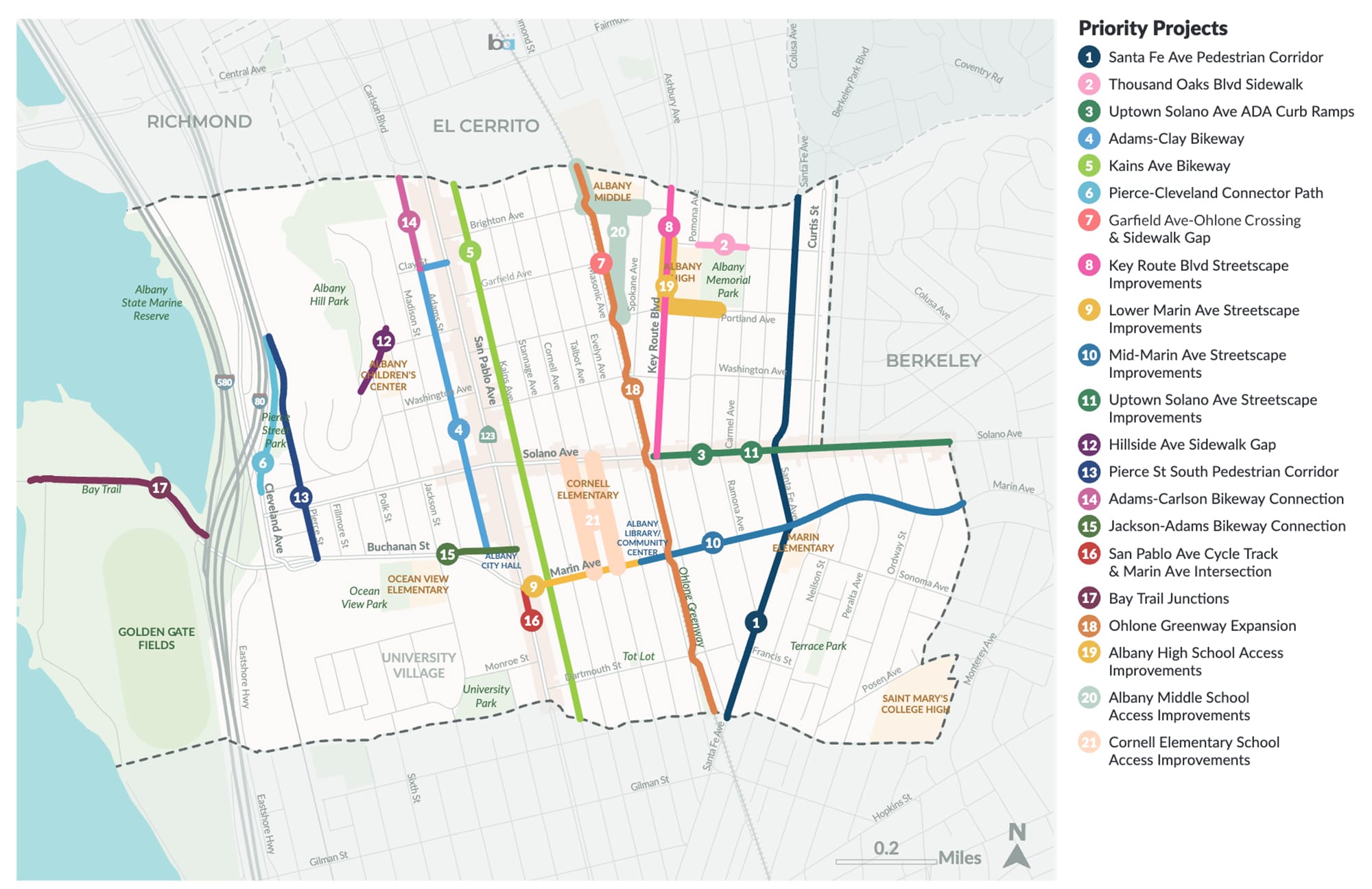
In addition to the uphill, eastbound separated bikeway from Masonic Avenue to Tulare, on the south side of the street, the Uptown Solano Avenue Streetscape Improvements project is set to include changes to parking, traffic signals and street crossings, among other updates, according to staff documents.
Estimated costs range from $30 million to $50 million, Albany spokesman Brennen Brown confirmed Wednesday.
On Monday night, council members adopted the plan 4-1, with Vice Mayor Jennifer Hansen-Romero dissenting.
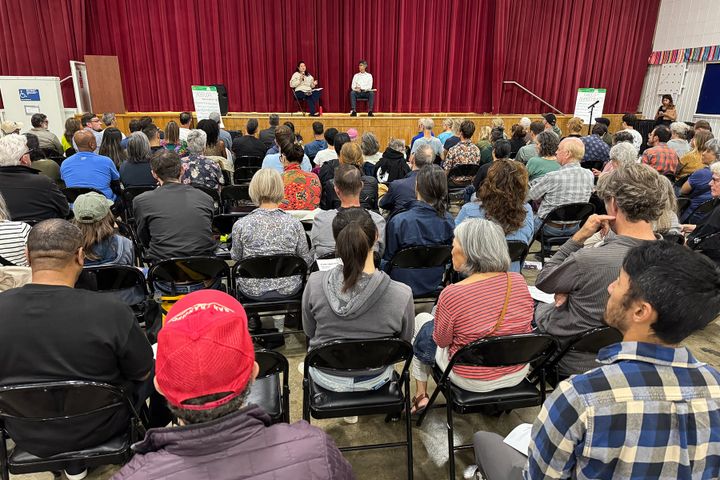
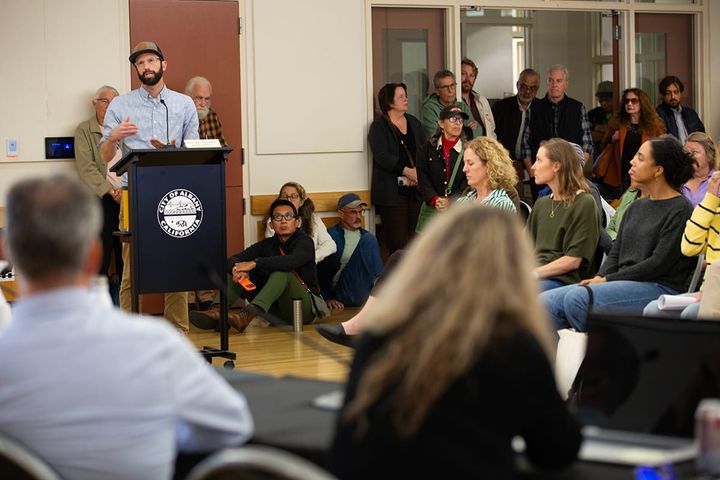
More than 40 people addressed officials, with roughly 20 speaking in person and another 20 participating online. Most comments centered on changes to Solano Avenue, one of the plan's highest-profile recommendations.
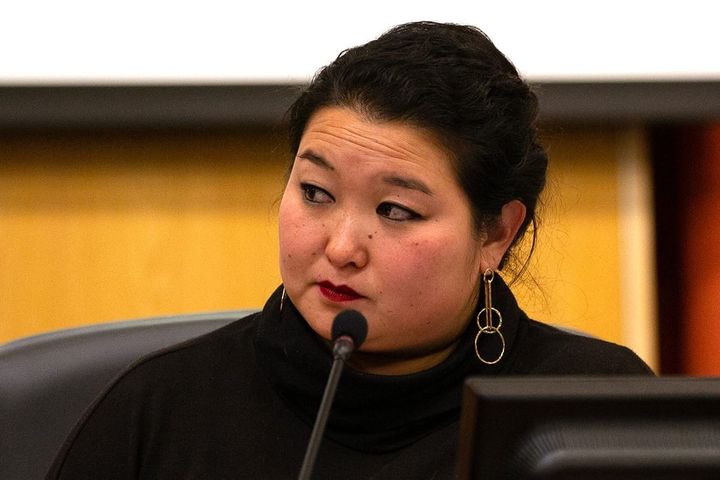
Mayor Peggy McQuaid said the proposal had generated extensive public feedback — adding that she "received more emails" about Solano Avenue changes than any other agenda item in her entire tenure on the Albany City Council.
Supporters, including Albany Strollers & Rollers, argued that a protected bicycle lane would improve safety, advance the city's climate goals and strengthen Solano Avenue businesses by making the corridor more accessible to cyclists and pedestrians.
Opponents questioned the lack of project-specific cost estimates and raised concerns about increased traffic congestion and the potential loss of on-street parking, particularly near the Albany Senior Center at Masonic and Solano avenues.
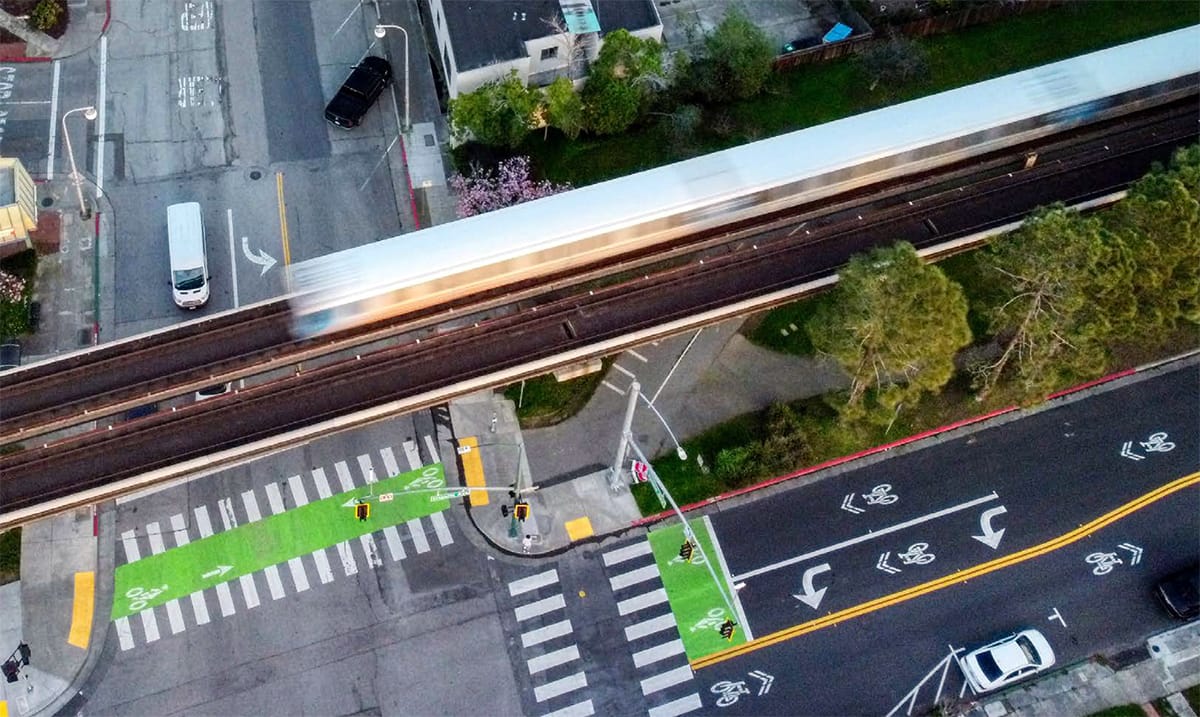
Albany transportation manager Justin Fried said the city had "invested roughly $20 million" in transportation projects that were completed or underway, but acknowledged that the draft plan did not include detailed cost estimates for future projects, including on Solano Avenue.
"We have not done detailed development to really cost out different elements of the streetscape project," Fried said. "The existing curb extensions are in conflict with where a bike lane would come through, but we would be looking at other ways to reduce costs and [crossing] distances."
Fried added that staff also had not completed a property line survey needed to fully evaluate design options and work out challenges related to storefront access and accessibility requirements.
"We do anticipate business access and accessibility requirements with storefronts and curbs getting complicated, potentially, so we anticipate there will likely be some challenges down the road," he said.
Those uncertainties led Hansen-Romero to cast the lone dissenting vote.
"Without doing that [property line survey], we're kind of shooting rubber bands at the stars right now," she said.
Councilman Robin Lopez said the decision should be guided by broader policy goals rather than "individual preferences."
"For some folks this feels contentious, but we are trying to make a decision that is not just relative to something I, or anyone else, personally likes or prefers," Lopez said. "We have an opportunity to really put our money where our mouth is when we are trying to navigate a climate emergency."
In a June 25 statement, Mayor McQuaid said any project identified in the plan "would require its own project-specific planning" process, to include environmental and design review, public engagement and a vote, "before any construction could occur."
"There's still a lot of discussion to be had, a lot of input to be gained, a lot of studying to do," she said Monday. "I have questions and concerns but it's time to move forward with this plan."
"When you go after a grant, if it's not in the plan, you can't get the money."
In the end, Albany City Council members agreed that a new protected bike lane on Solano Avenue remains years away.
Councilman John Miki estimated it would be "probably five years out before we'll be at a place where we can put a hole in the ground."
Miki also explained that including projects in the Active Transportation Plan was necessary to help Albany secure potential grant funding later.
"My biggest regret on the [draft plan] that I passed with Mayor McQuaid was not thinking 10, 20, 30 years out," he said. "When you go after a grant, if it's not in the plan, you can't get the money."
Allyson Aleksey is an East Bay-based journalist whose work has appeared in the San Francisco Examiner, Nob Hill Gazette and Beverly Hills Weekly covering education and politics, and was formerly the city editor/lead reporter for the Piedmont Post.