Berkeley cyclist determined to ride again after serious crash
Advocates say the HAWK signal at San Pablo Avenue and Virginia Street needs improvements as Berkeley plans to install more across the city.
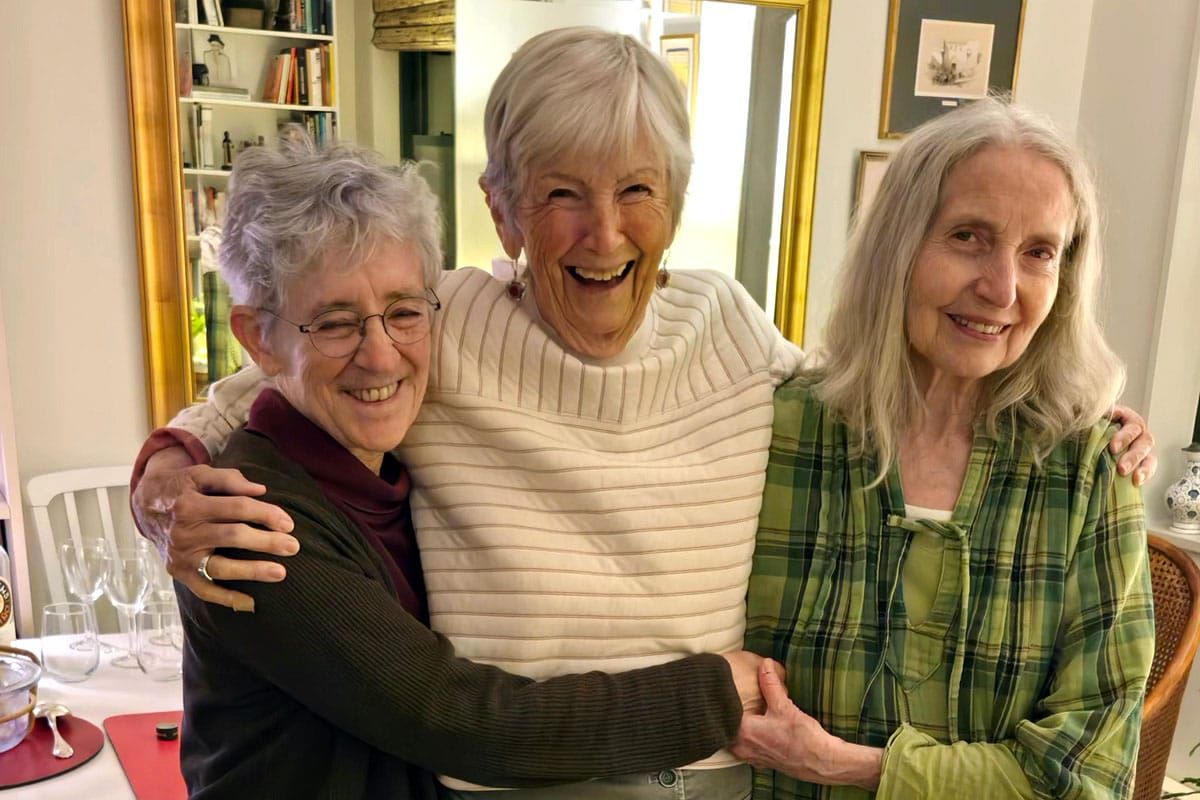
Four years after a cyclist was fatally injured at San Pablo Avenue and Virginia Street, another Berkeley cyclist has been hurt, renewing safety concerns at the intersection.
Deborah Marks was biking home from seeing bodywork clients Nov. 5 when the crash happened, at San Pablo Avenue and Virginia Street at about 1:30 p.m.
"I was knocked out. I never saw a car that hit me," she said. "I woke up in the ambulance on a gurney with a wonderful tech named Jack who took very good care of me."
Marks, 75, suffered two brain bleeds, with the second discovered six hours after the first. She was given anti-seizure medication and kept in the hospital overnight. She is now home recovering.
She told The Scanner the crash was a wakeup call about wearing her helmet, which she hadn't always done. Fortunately, she had put it on that day.
"I could have been killed from brain injury," Marks said. "I will be religious from this moment going forward. I think that's really important for cyclists to hear."
The Scanner initially heard about last week's crash from a reader who witnessed the aftermath and was concerned.
"You hear so much about seniors getting hit," said Shelly Glasgow, who lives in the neighborhood. "I blinked and here's another one. It just seems like it never ends."
Glasgow, 67, was coming home from a volunteer shift at the Berkeley Food Network pantry, walking up San Pablo Avenue near Café Leila, when she heard a sharp braking sound.
At first, she thought it might have come from the nearby construction site. She noticed one of the workers from the site in the median. He appeared to be calling 911.
Then she saw an older woman in the street, in the left lane. She was sitting up, entangled in her bicycle, with a Chevy Bolt stopped right behind her.
A younger woman was holding the cyclist's hand and appeared to be comforting her, Glasgow said.
The cyclist was wearing a bright red helmet. There was blood coming from her mouth.
"That was scary," she said. "You think, what causes that? You think terrible things."
Glasgow was also concerned another driver might rear-end the stopped car, making the situation worse. She stood in the street waving drivers around until Berkeley police bike officers and firefighters arrived.
Glasgow said many of her friends who bike in the area had also had collisions. Some did not fully recover.
"They all had on helmets, too," she said.
 Emilie Raguso
A troubled intersection
The northwest Berkeley intersection where the crash happened — San Pablo and Virginia Street — has a long history of collisions.
San Pablo Avenue is part of Berkeley's high-injury network, with 190 collisions reported from 2017-21, according to the city's San Pablo Avenue Specific Plan.
Virginia Street, a bike boulevard, is one of four east-west streets along the avenue with bicycle facilities. It has a special signal, called a HAWK beacon, that aims to make it safer for pedestrians and cyclists to cross.
Four years ago, a cyclist crossing the roadway was struck by a southbound driver.
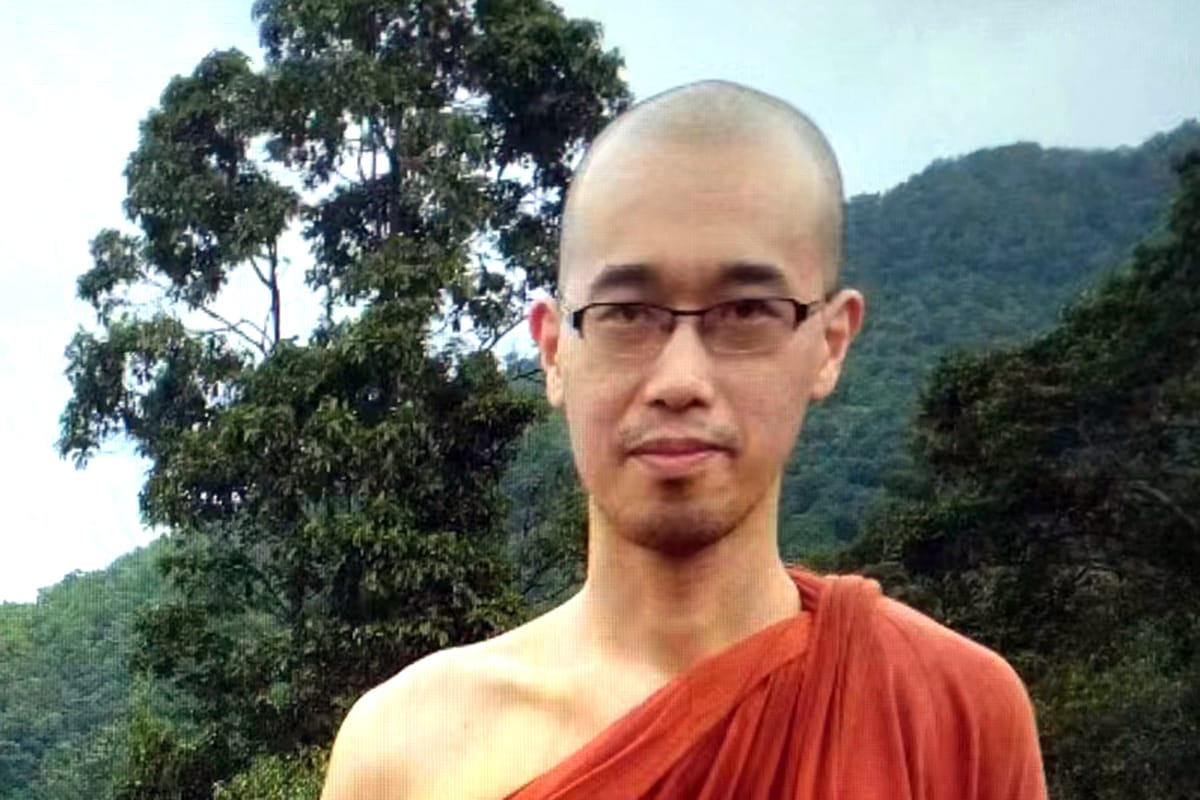
Yuan Cong, a Buddhist monk from China, died seven months later. He was just 34.
A lawsuit his family filed identified 32 collisions involving pedestrians and cyclists at the intersection in the decade or so before he died.
The HAWK beacon at Virginia Street was in place at the time of Cong's crash but would not be powered on until the following year.
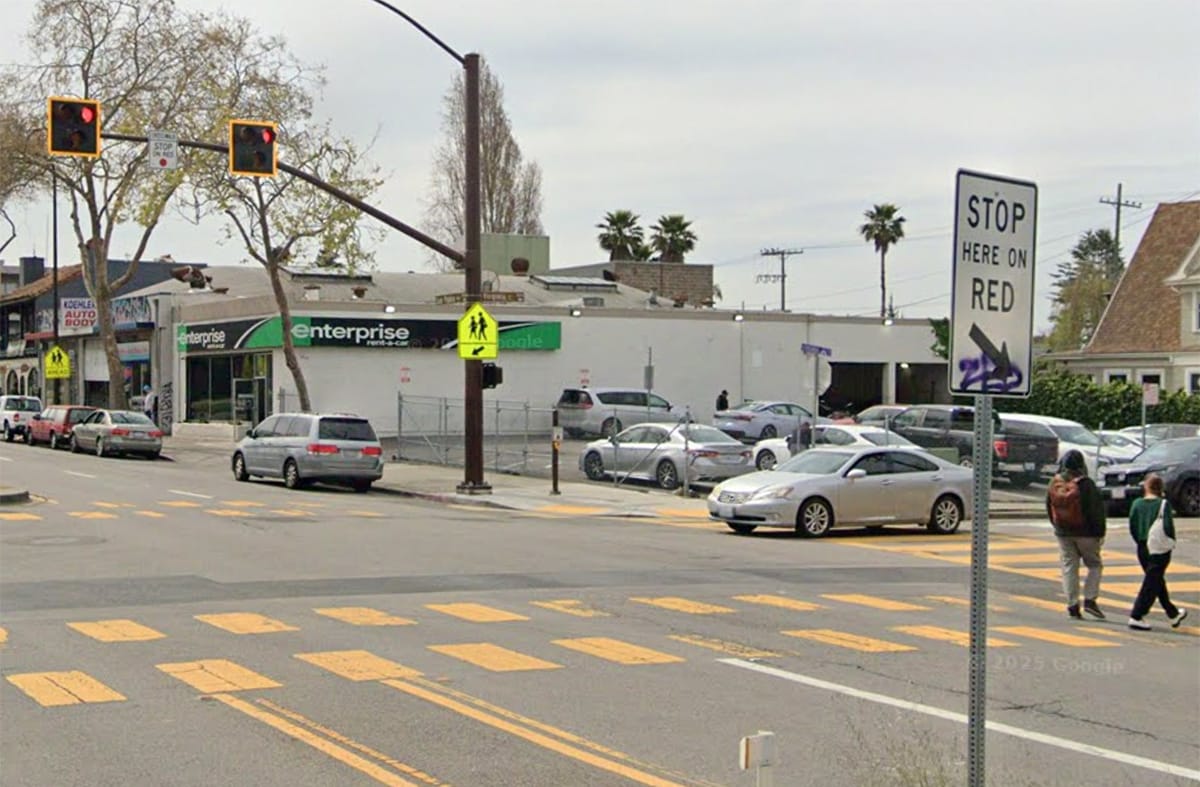
Glasgow, also an avid cyclist, said it can be confusing for people to know what to do when the HAWK light is on.
When a pedestrian or cyclist is waiting to cross, the light proceeds through a series of phases, including flashing red and flashing yellow lights.
For cyclists, the HAWK light at Virginia and San Pablo poses its own challenges: It's supposed to detect them in the roadway and automatically activate the signal.
But it doesn't always work, said Ben Gerhardstein, co-founder of Walk Bike Berkeley, a volunteer advocacy group.
In 2018, even before Walk Bike Berkeley started, Gerhardstein and a group of local cyclists organized an event at Virginia and San Pablo to bring attention to the dangerous intersection.
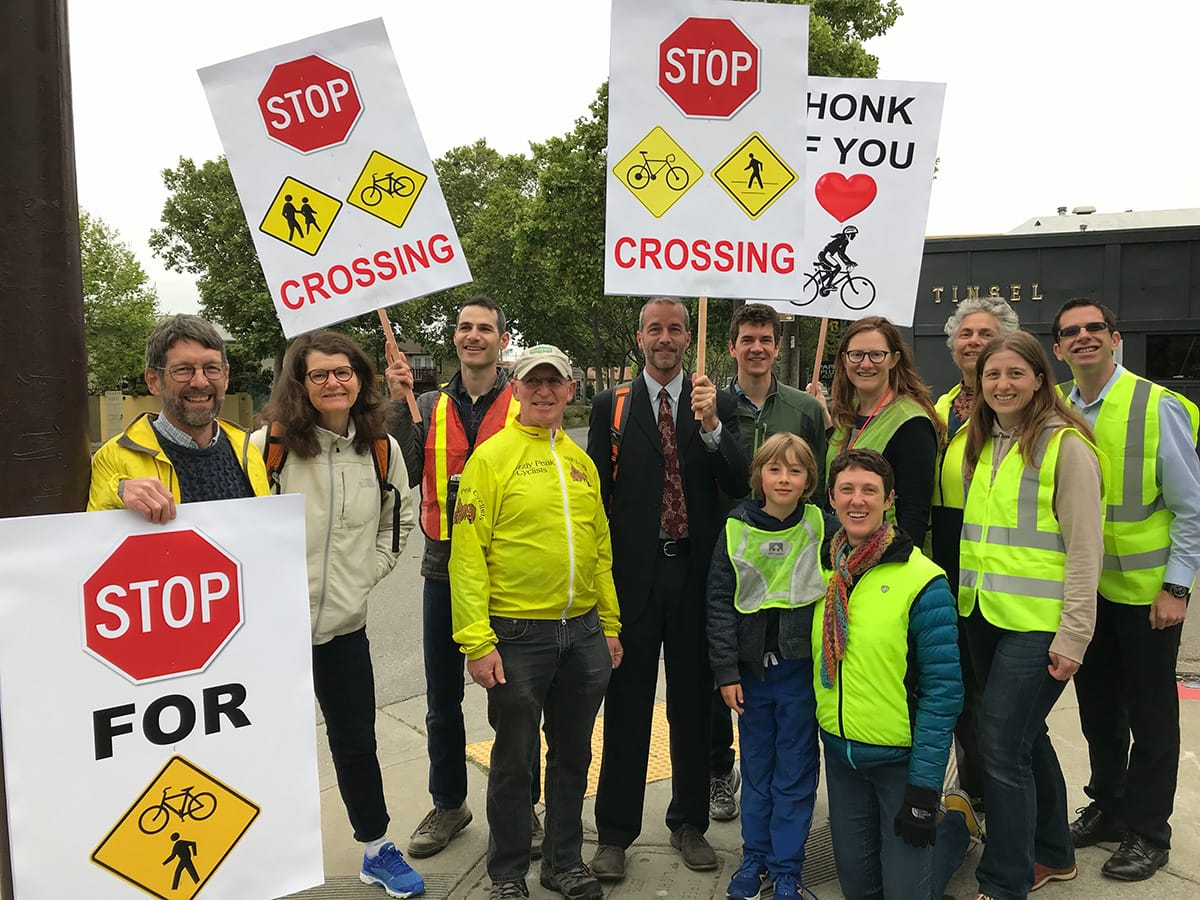
At the time, Caltrans already had plans to install the HAWK light (also called a pedestrian hybrid beacon) — but without automatic bicycle detection.
That feature was ultimately added, but it's not always reliable, Gerhardstein said.
"I have experienced it not working and I've experienced it working," he said. "We don't really know for sure how well it's working."
Another challenge is that, unlike a similar signal at Ashby and Hillegass avenues, there's no way for a cyclist to know if they have been detected. At Ashby and Hillegass, a blue light makes that clear.
Gerhardstein said he'd like to see the indicator light as a standard feature for all pedestrian hybrid beacons on bike boulevards, particularly as they become more common in Berkeley.
"Part of the problem with these beacons is they weren't really designed for getting cyclists across these busy streets safely," he said. "We're using them to the extent that the engineering guidance allows, but it's not ideal. And that's a challenge."
Gerhardstein said Berkeley should be able to install the indicator lights without much trouble; Emeryville has been including them at beacons all over the city.
He said he'd also like to see Berkeley eliminate the blinking phase for the HAWK light, or make it as short as possible, since it causes so much confusion. He said both of those changes could happen soon without costing much.
Gerhardstein said Berkeley could also use more roadway markings, such as green striping or sharrows, to remind motorists that cyclists may be in the area.
He said some of Berkeley's newer HAWK light intersections have them — but Virginia Street does not.
Improvements on the way
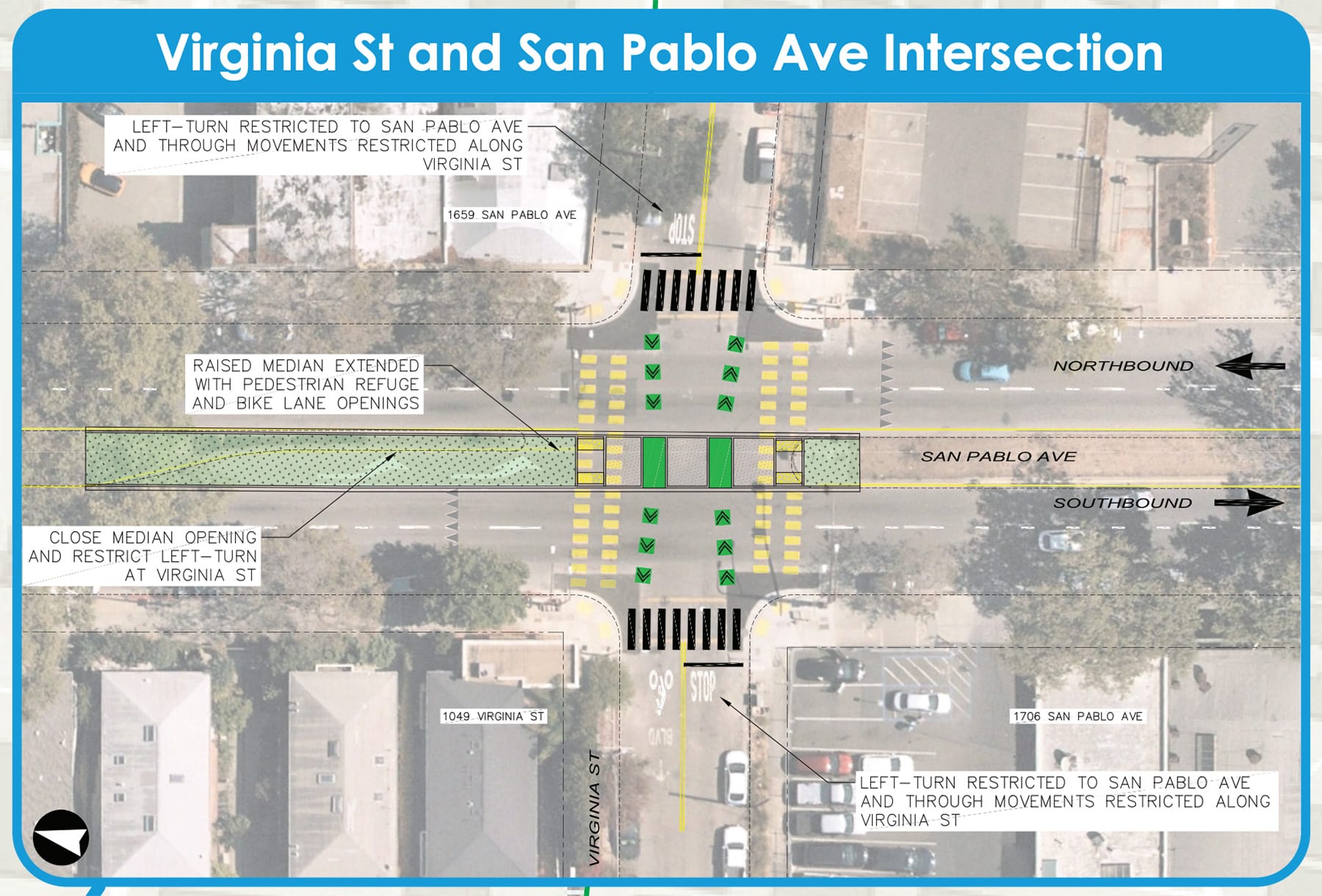
The good news for cyclists crossing San Pablo at Virginia Street is that the Alameda County Transportation Commission has already planned more improvements, including a raised median refuge island where people can wait to cross, and restricted turns onto Virginia for drivers.
"I think that will help," said Robert Prinz, advocacy director for Bike East Bay.
Prinz said he also wants to get California to change the vehicle code so cyclists have the same right-of-way in crosswalks as pedestrians do.
Every other West Coast state, along with others in the nation, has already made the switch, he said.
This wouldn't reduce the risk of getting hit, but it would change who was found at fault after a crash, as far as legal protections and compensation, he said.
"I'm looking for a sponsor, whether it's Jesse Arreguín or Buffy Wicks," Prinz said Friday. "If they're reading this, please get in touch."
"We definitely want to work with legislators to make sure we're not subjecting people to risk unnecessarily," he added.
Prinz noted that one of the big missing pieces in Berkeley's bike network for decades has been at major roadway crossings.
One of the difficulties is to make it easier for cyclists to cross major streets without encouraging drivers to cut through, so that bike boulevards remain less congested.
Traffic diverters can help, but not every neighborhood wants them.
Prinz said the Virginia Street HAWK light was "better than just Froggering it across" — but had room for improvement.
He said the intersection initially got the HAWK light because of a series of crashes there. Even after it was installed, but before it was turned on, a pedestrian ended up at Highland Hospital when he was hit by a driver.
"It's been a known high-injury location for many years. All of these projects are attempts to address that," he said. "What's there now is not enough."
There are already plans for more HAWK signals in Berkeley, on San Pablo Avenue at Channing Way and Camelia Street, along with other locations identified in the Bike Plan.
Prinz said at least some of the improvements may still be years away.
"You take the wins when you can get them," he said. "But the sooner you start working on something, the sooner you see results."
Determined to ride again
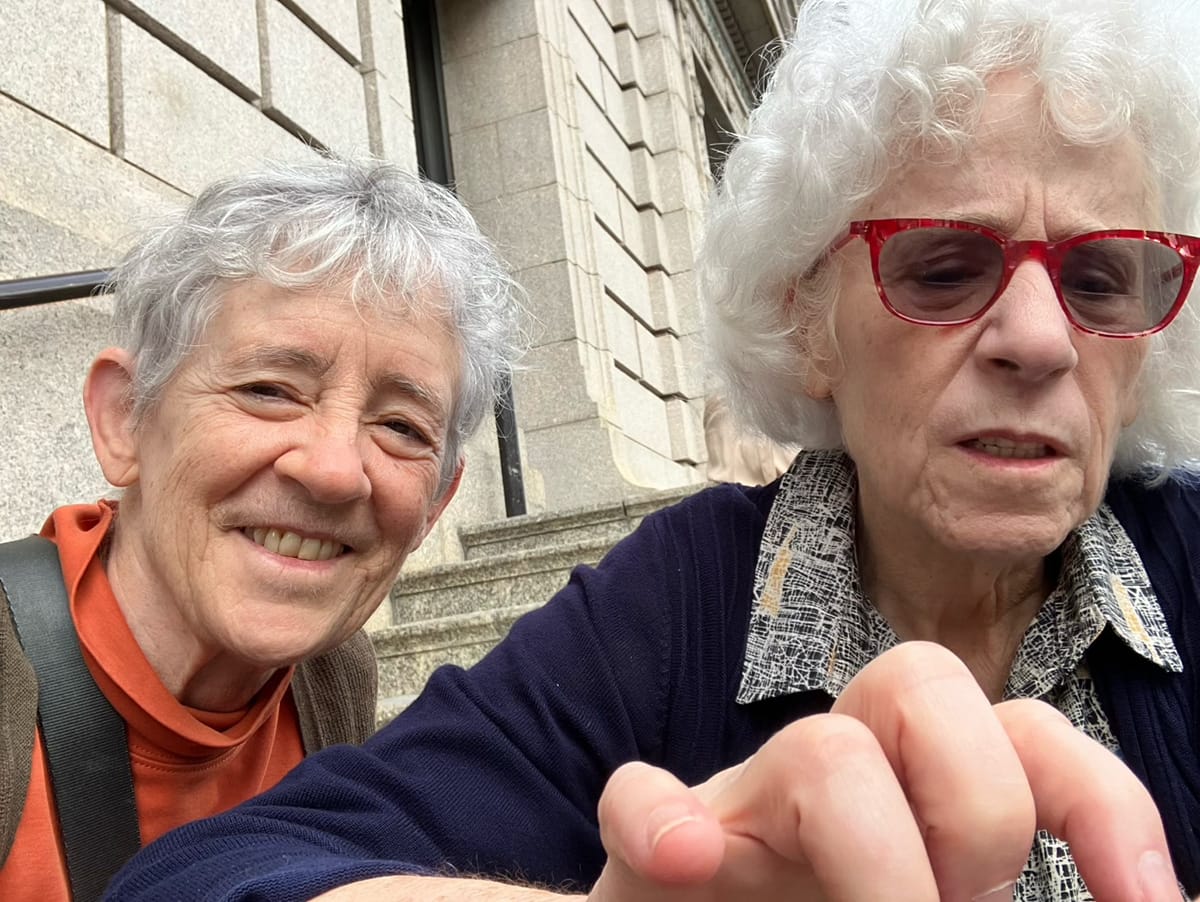
As for Deborah Marks' crash, Berkeley police said they do not know whether the HAWK light was activated.
The driver, a 63-year-old Albany woman, remained at the scene.
According to initial reports, Marks was riding in the crosswalk at the time of the collision.
As of this week, she still had no memory of what happened, and the time around the crash was hazy.
For days afterward, she believed the crash had happened Wednesday, as she rode back from the Rosen Method movement class she teaches regularly at the Albany Senior Center.
It was the first bike collision of her lifetime — and that's saying something.
Marks grew up biking in Manhattan before moving to Berkeley in 1976 to attend graduate school and study Indian languages.
She gave up her car in 2013 after it got stolen from her home in Berkeley. She now uses a bike to get around.
She credited the team at Highland Hospital for taking excellent care of her.
In addition to the brain bleeds, doctors initially thought she might have fractured her cheekbone because her face was so bruised and swollen. Fortunately, that was not the case.
Marks said she expected to have scarring on her face and right leg and was still experiencing numbness.
She said she definitely intends to get back on her bike, once a mechanic checks it out and she has some time to process what happened.
"I'm certainly not going to pick up driving at 75," she said. "Cars are just too big and too capable of inflicting damage."
In addition to wearing their helmets, Marks also urged everyone to "keep your wits about you as much as you can."
This week, Glasgow, the passerby who jumped in to help, observed how hard that can be.
"San Pablo's a busy street," she said. "There are so many different things going on, striping, warnings, signs. Your own self, people in the car. Just to pay attention is really challenging."