Berkeley police hope to seek bids soon for drones, cameras
Tuesday night's council agenda includes a request from police to solicit proposals for the new suite of tools, estimated to cost up to $2.4 million.
Berkeley police are advancing plans to expand their use of drones, license plate readers and cameras in the years ahead.
Tuesday night's City Council agenda includes a request from Berkeley police to solicit proposals for the new suite of tools, estimated to cost up to $2.4 million.
The contract itself is not on the agenda and would return to council at a later date.
Some of the money, from the city's general fund, has already been earmarked, BPD said Tuesday, while funding for other portions needs to be identified.
The item, which is brief, is on the consent calendar.
According to the item, the request for proposals (RFP) would be released approximately July 8, with a bid opening date of Aug. 7.
The RFP has six components, which may be awarded "separately or in combination."
The components include two drone systems (one mobile, one fixed), automated license plate readers, fixed cameras, community security cameras and some type of investigative software or platform for compiling and viewing the data, according to the item.
"Scope includes hardware, installation, cloud hosting, training, maintenance, … data retention, and policy/audit support," the item reads.
 Emilie Raguso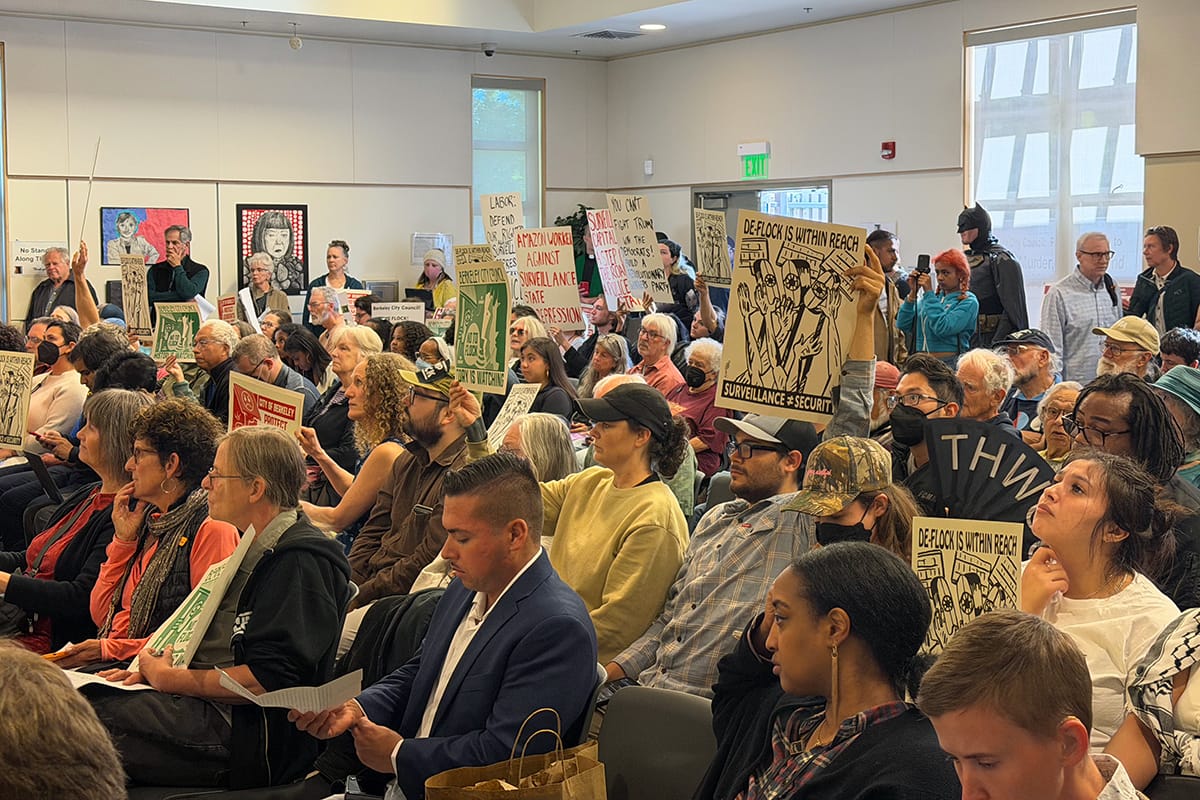
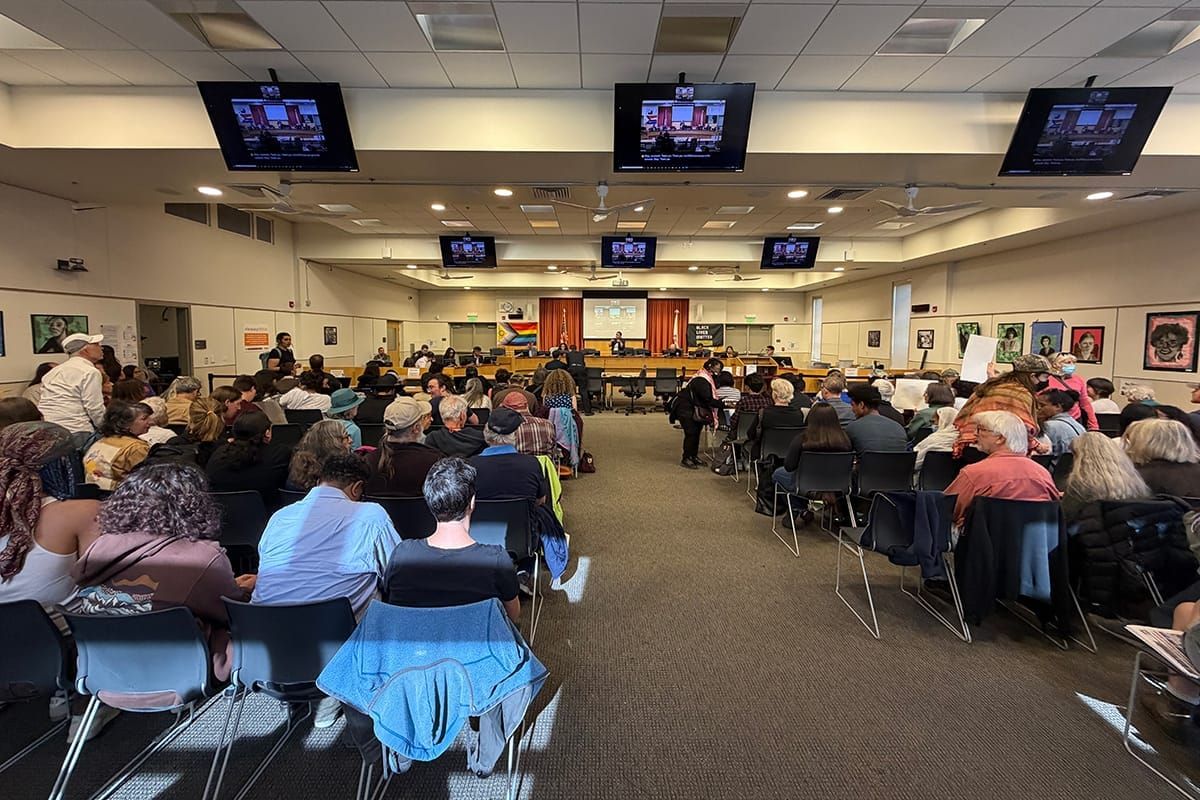
The context for the request dates back to a contentious City Council vote May 7.
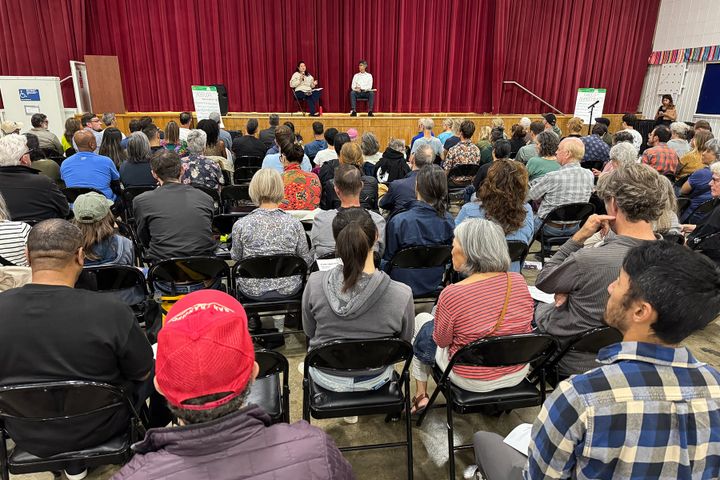
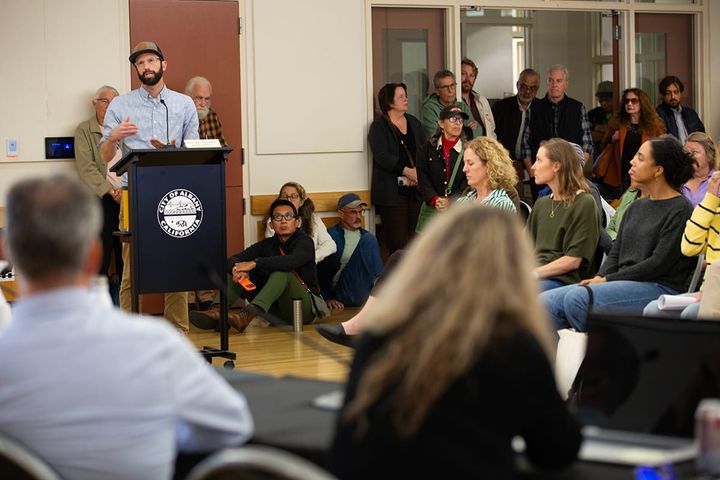
That night, Berkeley police proposed a unified technology package from Flock Safety but met with steep public opposition, which had been building for months even as BPD attempted to allay community concerns through a series of public meetings.
On May 7, council members approved an extension of BPD's existing license plate reader contract with Flock but directed police to put out an RFP for the full package of public safety tools before going forward with anything else.
Critics have expressed concern that a single comprehensive system for all the tools would make the city vulnerable, while police say a unified system would be cheaper and more secure than piecemeal components.
Also on Tuesday night's agenda, at the end of the action calendar, is a 50-page report from Berkeley police covering proposed use policies regarding "community video streams" — surveillance systems in business districts — and investigative software.
"Both technologies will be part of the forthcoming RFP, which will also include drones, automated license plate readers, and fixed … cameras, with vendors able to make a submission for any single technology or for a combination," according to the item. "As such, this item remains several steps removed from any actual procurement."
The report, from Berkeley Police Chief Jen Louis, goes on to note that "Actual product specifications will be determined through the RFP process."
Much of the community pushback this year to BPD's proposed "public safety technology" expansion has focused on Flock Safety data breaches and concerns around federal agencies accessing immigration data in other places.
Critics have also said they would not support any kind of surveillance expansion, no matter who the vendor is.
Police say the new tools will be particularly important given the ongoing staffing crisis, and will help them to do their work more efficiently at a lower cost, and also help attract new candidates and retain existing officers in a challenging job market.
To that end, the department has proposed cutting a handful of vacant officer positions to help cover the cost of the surveillance package in the event it is eventually approved.
At this point, no one has said how long the bidding process might take or when the broader public safety package might return to council for a vote.