How Berkeley’s encampment lawsuit fails everyone: Op-ed
"Berkeley deserves policies measured by human outcomes," West Berkeley parent Danielle Hacker argues in today's guest essay.
Editor's Note: TBS publishes guest essays from community members on issues of concern. Today's piece was written by Danielle Hacker, a West Berkeley resident, Cal graduate in conservation and resource studies and city planning, artist and mother of three. She serves as president of the Duck's Nest Parents' Association and is an active volunteer in local schools and the West Berkeley community. She helped organize parent and community support for Berkeley's 600-foot childcare buffer zone.
On Tuesday night, Nov. 17, I stood nervously in line inside the BUSD boardroom with other parents to speak in favor of a 600-foot encampment buffer zone around licensed preschool and daycare facilities.
Public speaking is not my forte. After nearly three hours of tense public comment and deliberation, the Berkeley City Council voted 7-2 to establish the buffer zone, with only Mayor Adena Ishii and Councilwoman Cecilia Lunaparra voting against it.
Since early September, parents had worked alongside educators and preschool administrators to help draft and champion that policy — not out of malice toward the unhoused, but to protect our children and school from the untenable conditions Berkeley's encampments create.
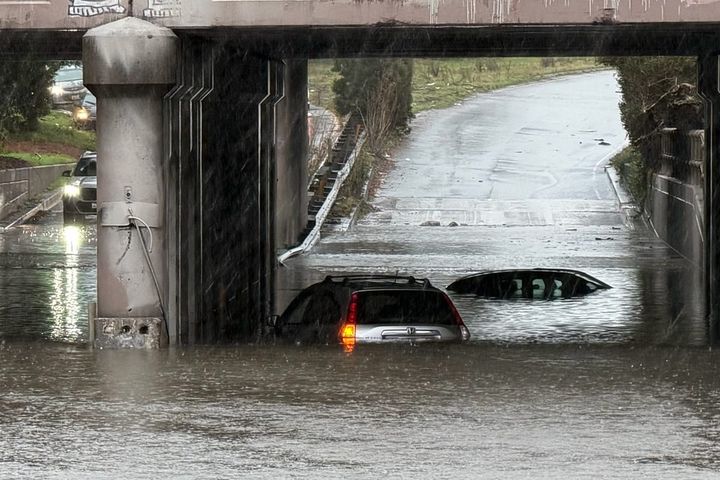
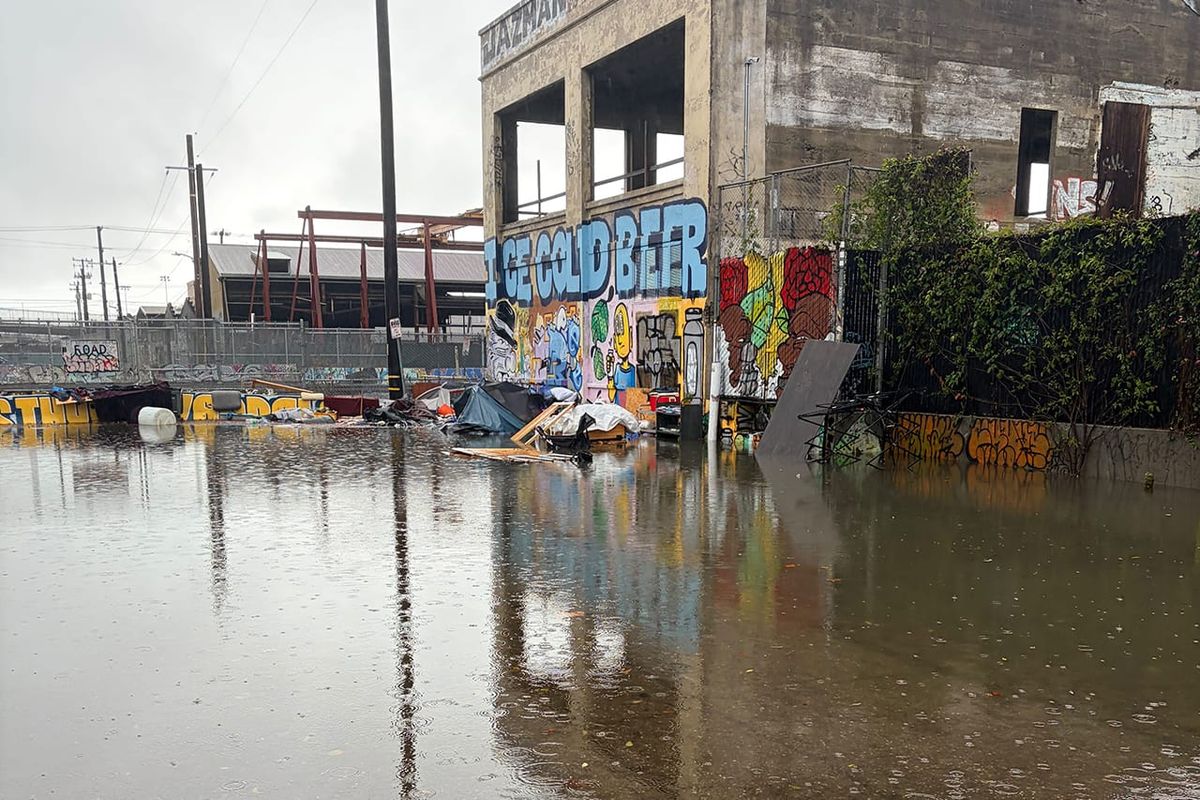
The very next morning, heavy rain hit. Down at the dead-end spur of Camelia Street at Fourth Street — the court-approved site roughly 300 feet from our preschool entrance where unhoused plaintiffs Jackie and Buddy had been relocated in a U-Haul on Nov. 4 — Jackie's tent sat in what appeared to be nearly 2 feet of water.
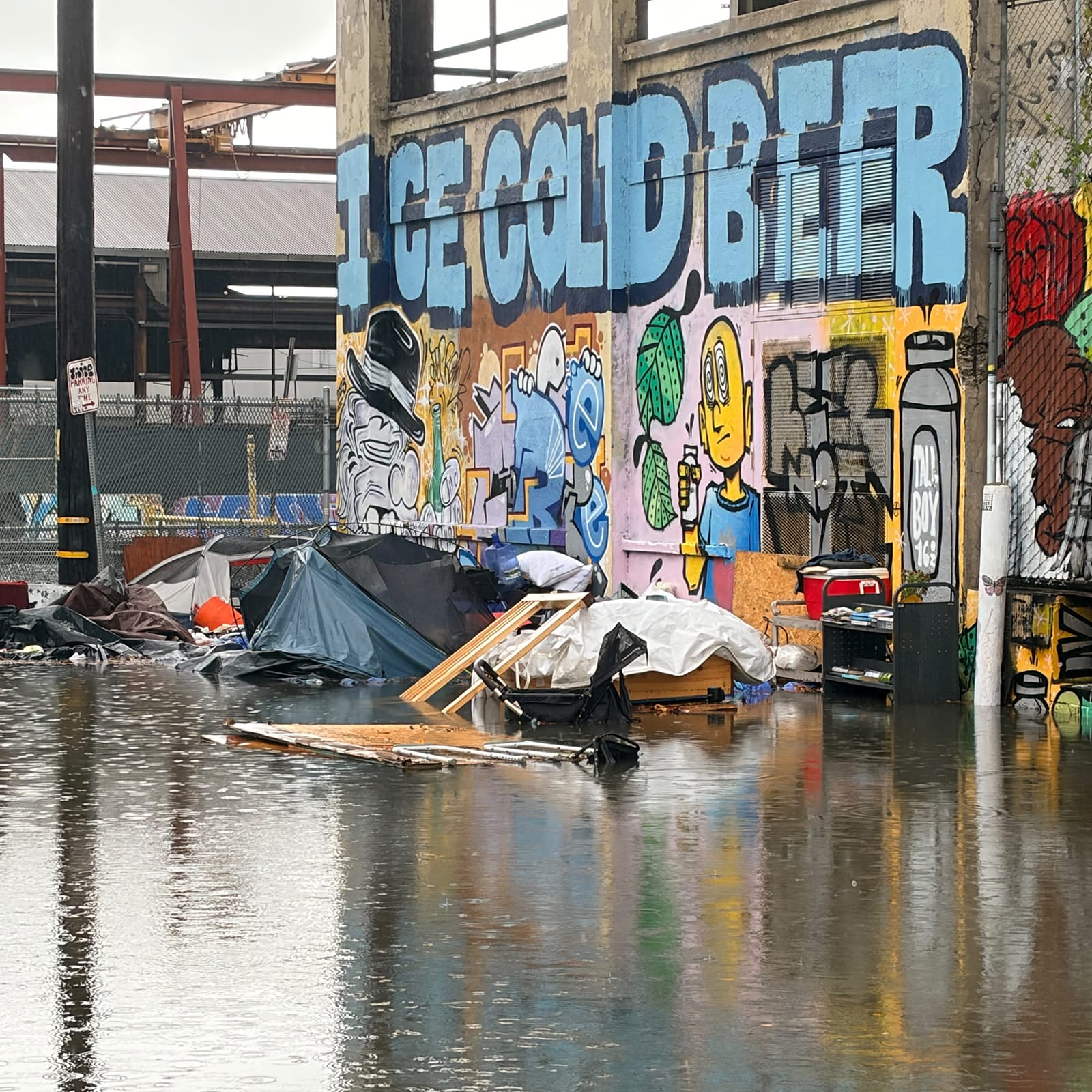
When parents involved in the buffer zone effort saw what had happened, they were heartbroken. We immediately reached out to make sure Jackie was OK and asked how we could help.
After learning that her Monday welfare check regarding hotel placement had fallen through, and that she wanted help getting into transitional extended housing, a school administrator immediately stepped in to help connect her with placement support.
That contrast between Tuesday's vote and Wednesday's flooded sidewalk exposes the central failure of Berkeley Homeless Union v. City of Berkeley, an ongoing federal lawsuit currently before the Ninth Circuit Court of Appeals.
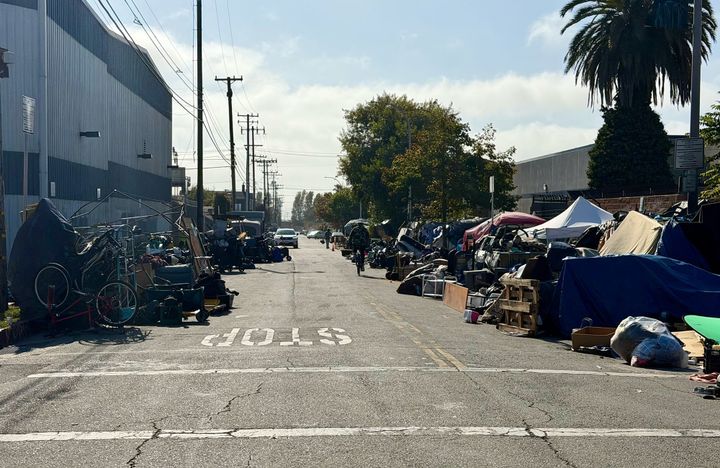
In response to Berkeley's initial efforts to close the Eighth and Harrison encampment, attorneys for Berkeley Homeless Union (BHU) fought in federal court to secure Americans with Disabilities Act (ADA) accommodations allowing plaintiffs to have larger tents on West Berkeley sidewalks. Earlier this year, BHU attorney Anthony Prince openly described their strategy as having "weaponized" the ADA to turn encampments into "staging grounds for battle."
On Oct. 5, in a meeting with Mayor Adena Ishii, City Manager Paul Buddenhagen and about 40 parents, educators and administrators representing three West Berkeley preschools, we were repeatedly told that the city's hands were tied.
Buddenhagen explained that tent relocation sites were chosen by BHU, and that the city could only approve or deny them based on limited criteria like sidewalk width and fire safety according to Berkeley's 2024 encampment policy.
Yet in three separate court orders earlier in the year, U.S. District Judge Edward Chen had directed the city to enter into an interactive bilateral dialogue with BHU to identify appropriate sites. The city failed to do so — leaving BHU to propose sites and the city to rubber-stamp them.
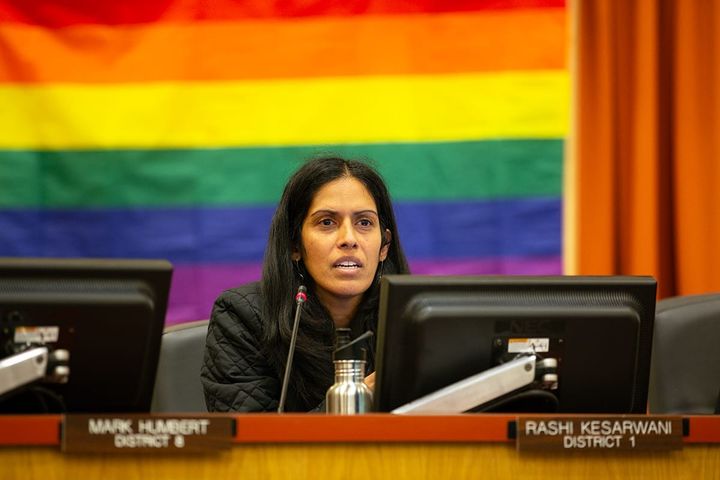
In that same Oct. 5 meeting, we learned District 1 Councilwoman Rashi Kesarwani had introduced the buffer zone we would later champion. Mayor Ishii expressed skepticism that it could be enforced and instead asked a concerned group of parents for "patience." To the parents and administrators in the room, it felt like the city was hiding behind bureaucracy and washing its hands of the whole thing.
Securing an interim court order to set up a larger tent on a sidewalk in a mixed-use neighborhood may have looked like a civil rights win in a legal brief, but in reality, it was an illusion. A sidewalk accommodation with inadequate storm drainage does not come with heat, dry flooring or sanitation. Calling a flood-prone sidewalk an "accommodation" for a disabled resident is a contradiction in terms.
Meanwhile, in the weeks after the Nov. 4 relocation of the unhoused plaintiffs, families and teachers dealt with serious health and safety threats just steps from our preschool — including an off-leash pit bull that a parent had to shield a small child from and a trash bag of sewage left on the sidewalk where parents park for drop-off.
At Tuesday's council meeting, opponents of the buffer zone argued that restricting encampments near schools merely shifts unhoused residents elsewhere without solving the underlying crisis. Yet it was the BHU lawsuit itself that pushed disabled residents onto that specific sidewalk in the first place.
So who is actually winning here?
Not Jackie, who endured the exhausting physical toll of packing up and moving all of her belongings onto that sidewalk — only to watch everything get submerged in the first real rain less than two weeks later. Not West Berkeley's families and educators, who spent months mobilizing for basic school safety. And certainly not taxpayers, who have watched mounting legal fees consume resources that could be spent on actual shelter beds.
The only winners in a strategy built around "staging grounds for battle" with a city hiding behind bureaucracy are the lawyers driving the suit — gaining headlines, institutional leverage and potential statutory attorney's fees under the ADA, regardless of whether their clients stay safe and dry.
It took a rainstorm, not a court order, to get Jackie on a path indoors. Berkeley deserves policies measured by human outcomes, not legal battles where everyone loses.
The Scanner will periodically publish guest essays from community members on issues of interest or concern. Submit your ideas to TBS.