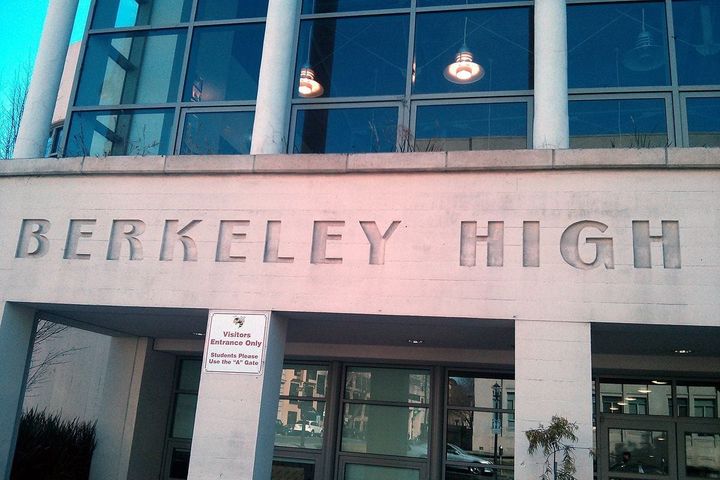
Downtown Berkeley council race highlights progressive divide
Incumbent Igor Tregub and challenger Majdi Gaith offered competing visions for Berkeley at a candidate forum.
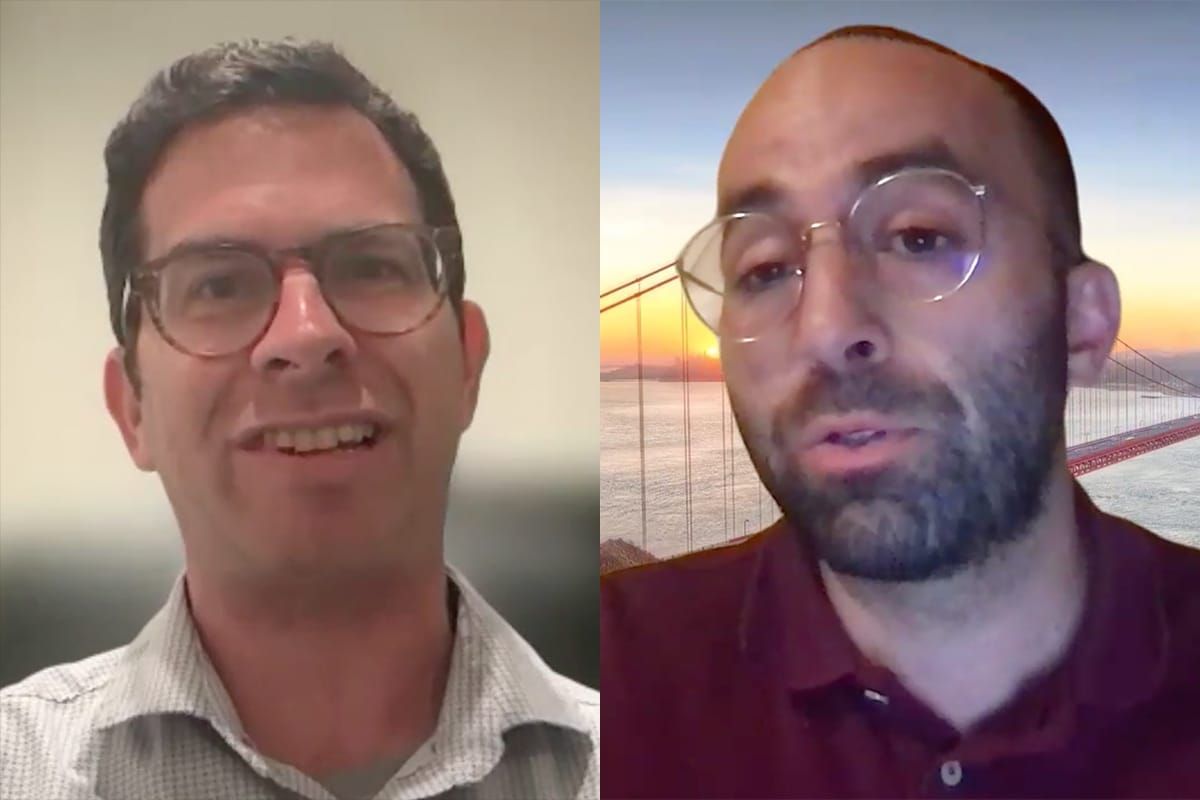
Downtown Berkeley's City Council race pits an established incumbent against a challenger from the left who says City Hall is too beholden to special interests.
The differences between Councilman Igor Tregub and Majdi Gaith Abuhamdieh were on display during a Sept. 28 League of Women Voters forum, where they addressed downtown vacancies, public safety and city finances, among other subjects.
Gaith, a Palestinian American and co-founder of Jaffa Coffee Roasters, repeatedly criticized Tregub's record, accusing him of favoring developers and corporations over residents and small businesses.
Tregub, who narrowly won office in a special election in 2024 after decades of public service, defended his accomplishments and emphasized his ability to deliver results.
Tregub has endorsements from Mayor Adena Ishii, state Sen. Jesse Arreguín, the local Sierra Club, organized labor and many other elected officials.
Gaith has support from Our Revolution East Bay, the Alameda County Green Party, the progressive group Flip the Berkeley City Council and former Berkeley council members Cheryl Davila and Kriss Worthington, among others.
On public accountability
Gaith said he would work to ensure more community voices are heard and urged current city leaders to "take note."
He described himself as a "disgruntled District 4 resident where I found my voice not being listened to," and said many of his coffee shop customers felt the same.
"People tell me: 'I go to City Council meetings, I complain to them about Flock. I bring up the worries about Hopkins, the ceasefire resolution,' which my opponent did not support," Gaith said. "Residents are frustrated with most City Council decisions."
Tregub pointed to his record, noting that his office had "helped resolve hundreds of constituent services cases" over the years.
He said he holds regular office hours throughout the district, to be accountable and accessible, and publishes a monthly newsletter to keep residents informed.
"I do read every single email I receive from constituents, and I do my best to respond," he said.
Surveillance and public safety
During the forum, the candidates found some common ground in opposing Berkeley's contract with Flock Safety, which provides local police with automated license plate reader data.
Tregub noted that he had voted in May to block the contract with Flock. (The effort fell one vote short.)
"As an immigrant, it is very clear to me that Flock or any other company that does business with Trump's immigration enforcement does not actually keep us safe," said Tregub.
Gaith criticized Tregub's earlier support for surveillance technology and called for an outright ban.
"As a business owner, we have enough private cameras inside of our store and outside for the landlord," he said. "We feel safe enough so we don't have to spy on our citizenry."
In response to a broader question about public safety, Tregub described his district as "challenging" but said most calls were nonviolent "but still concerning."
He said he'd coordinated with UC Berkeley, given the district's proximity to campus, and worked to get better lighting in the area.
Gaith emphasized the need for traffic safety improvements, including in school zones, and concerns about community mental health.
He said he thought "a lot about some people that come into the store that have mental health situations, where they'll throw coffee at a regular or throw a chair," he said. "We just don't know sometimes what to do as small businesses."
 Emilie Raguso
Gaza and political divisions
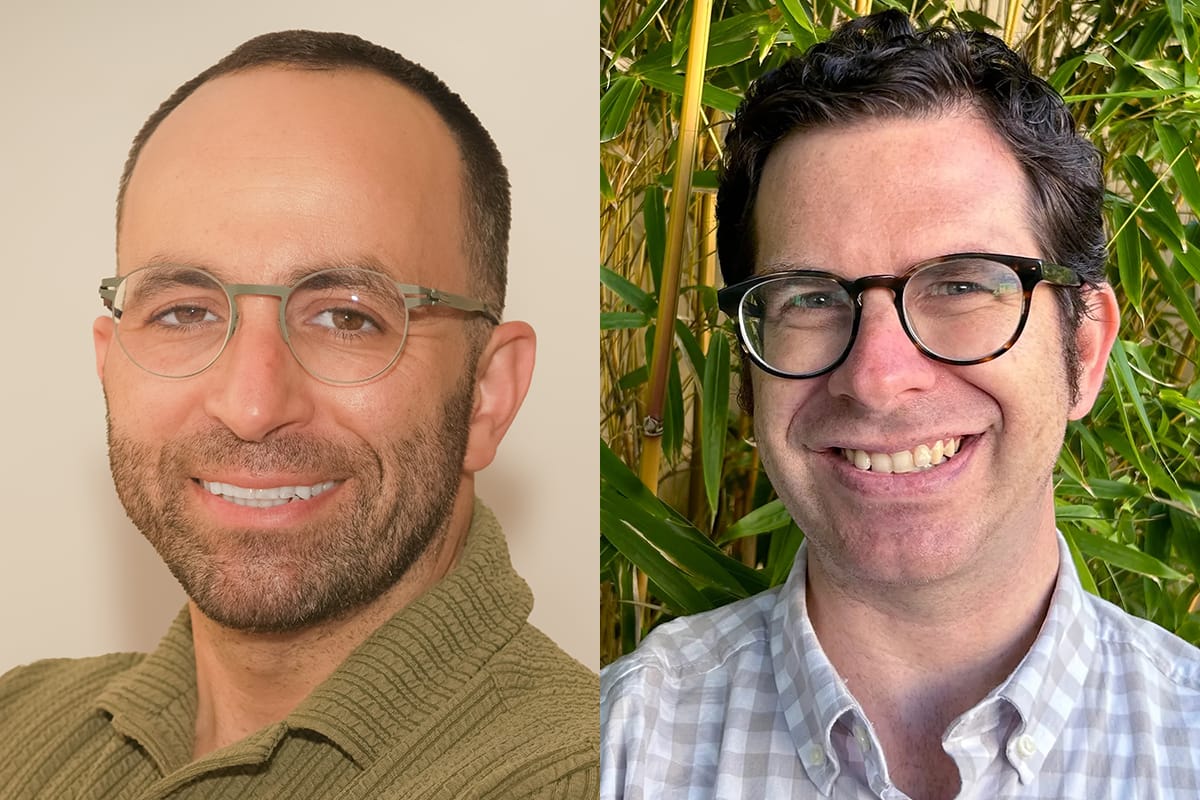
Gaith has made Palestinian rights and Berkeley's response to the war in Gaza, including its decision not to issue a ceasefire resolution, a prominent campaign issue.
During a question about police oversight, Gaith brought up Tregub's experience living in Israel, contrasting the civil legal system there with the military law governing Palestinians in the West Bank.
"I'm under military law. Igor is under civil law, and he claims that's democracy," Gaith said, before turning to concerns about what he saw as curtailed Police Accountability Board authority.
He said Tregub had not done enough to ensure PAB had access to confidential records it needed to do its oversight work.
Tregub, a Jewish immigrant from Ukraine, rejected suggestions from Gaith about ties to AIPAC, the pro-Israel lobbying organization.
The campaign has also drawn allegations of antisemitism.
In October, Jewish organizations and local clergy condemned Gaith's reported reference to a "Zionist takeover" of the City Council, saying such language evokes antisemitic stereotypes.
Gaith has rejected allegations of antisemitism, describing them as anti-Palestinian racism.
 Guest Essay

Downtown vacancies
Both candidates identified downtown's empty storefronts as a major concern but differed over the city's response.
Gaith described "downtown blight," pointing to stalled development projects. He criticized what he called "runaway upzoning" and proposed a tiered tax on commercial vacancies, incentives for lower rents and greater community involvement in development decisions.
Tregub pointed to his work reducing permitting barriers, requiring landlords to make commercial spaces ready for occupancy and supporting arts and cultural uses downtown.
He highlighted efforts to bring an art gallery to the former Half Price Books building and revive downtown movie and live theater offerings.
City finances
On city finances, Tregub defended difficult decisions made to close Berkeley's $30 million budget deficit, including fee increases, while advocating new ways to increase revenue.
Gaith questioned whether city officials had sufficiently examined spending, including high employee compensation, before asking residents to pay more.
He also decried the sales tax increase on the November ballot, calling it regressive.
Gaith said Berkeley should look to New York City for solutions, to "trim the fat" and find programs that don't benefit the public.
"Mayor Mamdani in New York inherited a $12 billion deficit. Everyone said that they're gonna have to engage in austerity or cut community programs," Gaith said. "They did neither."
In closing remarks, Gaith framed the election as a choice between established leadership and stronger advocacy for community interests.
Tregub argued that his experience and relationships would help Berkeley navigate difficult financial and political circumstances.
"I have shown up. I have fought difficult fights. I've brought people together and I have delivered tangible results," he said.
Election Day is Nov. 3. Voters can read more about Tregub and Gaith in their Berkeley Scanner candidate questionnaires. Read more election coverage on TBS.