Who is Berkeley City Council candidate Steve Kromer?
"I'd like to help get past the problems and enjoy planning the future."
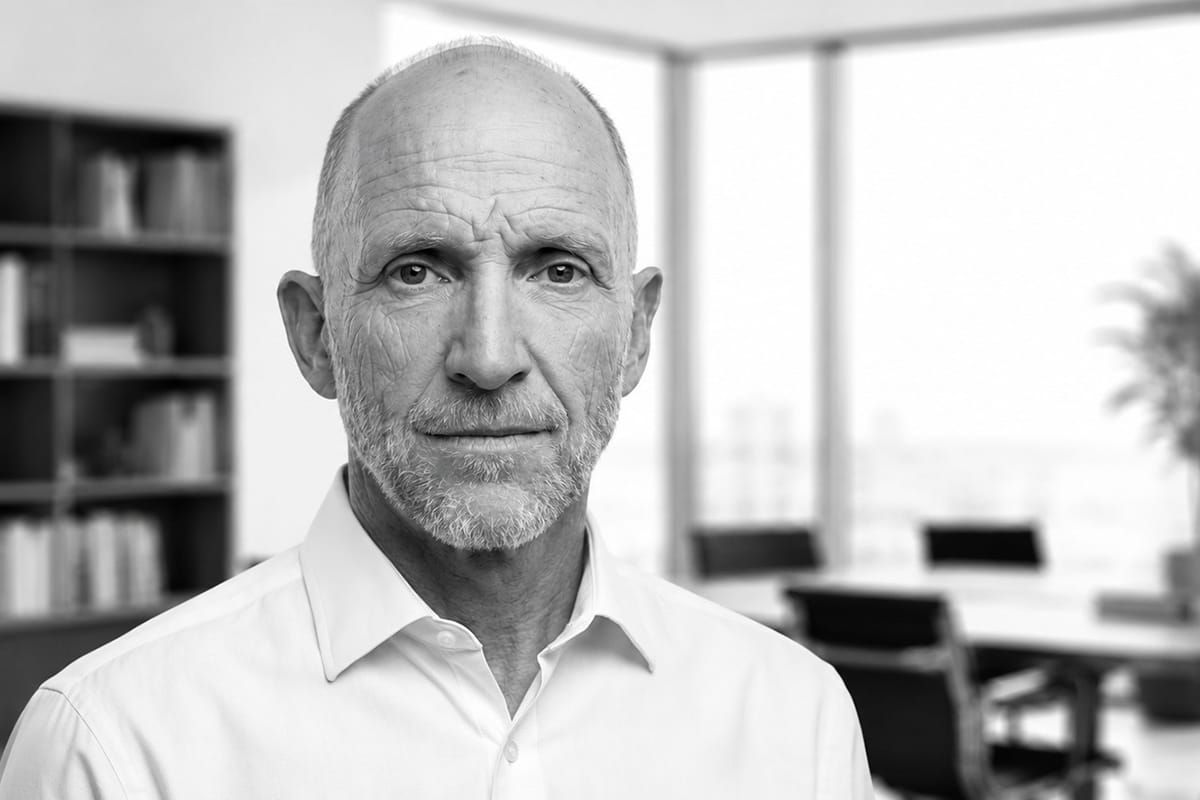
Name: Steve Kromer
Age: 66
Occupation: Energy engineer
What office are you are running for? Berkeley City Council, District 1
What is the main reason you are running? I will bring a pragmatic voice to the council. District 1 is facing some of the toughest issues in Berkeley. Passions are high. Opinions are many - and divisive. I believe Berkeley City Council needs a person who is willing to listen to all sides and build consensus — not advocate for the extremes. I've spent most of my adult life here because of all the positive attributes this city has. I'd like to help get past the problems and enjoy planning the future.
Why are you qualified? I've spent my career finding creative ways to solve problems in the real world. I worked at Lawrence Berkeley National Lab in the facilities department. After 10 years I moved on to help create and promote tools to quantify success in energy efficiency. This has required both a detailed and disciplined approach based on sciences and engineering. But more importantly I've learned that building trust in any arena is based on shared goals and an emphasis on communication. I would enjoy the opportunity to practice that in the numerous ways the a council member interacts with the entire city.
What sets you apart from other candidates? All of the other candidates have sought endorsements from the existing political establishment. I've gone grass roots and did not seek these endorsements. I've built a network of supporters who want someone who can address D1 (and Berkeley's) issues purely from the perspective of integrity and balance. I intend to seek balanced decisions based on the best evidence. And then seek integrity in any implementation of our agreed upon direction. On almost every big issue I've met people on both sides who only agree on one thing - that the city is often not transparent or particularly effective.
How and when did you end up in Berkeley? I arrived in Berkeley in 1989 for a six week assignment monitoring buildings around California. I had friends here already and quickly found a spare room. Six months later that job ended and by then I was of the mind to stick around. I took a short term temporary job at the Lawrence Berkeley Lab. That job lasted 10 years and gave me the skills from which I built a consulting career that has allowed me to travel the world. Through it all Berkeley has remained my home.
What are the three biggest challenges for Berkeley in the next five years? Berkeley needs to be honest about its financial management, starting with an honest budgeting process. We've allowed a shadow deficit to accrue massive unfunded liabilities. We need to be honest about what we can afford and how we'll pay. Public safety - Berkeley needs to accept that it's the city's role to provide order. That comes in many forms. AI is coming and will be influencing all aspects of public administration. We'll be in the cross-hairs of this revolution and are fortunate to have access to the resources to help us manage the transition - if we choose to access them.
How would you begin to address them? Integrity and balance. The first step is to open any discussion with an honest survey of our options. Balance comes from listening first. I would insist that we document all steps (transparently) in any decision process that affects the public. Having heard all sides of any issue I would communicate the decisions taken along with clear communication of reporting frameworks. Integrity means proving that our projects and programs are working as intended. And if not, that we can be honest about stopping or altering programs. On the budget, publish a document that the public can actually read. On public safety, assure that our departments have the tools for their jobs and the authority to enforce city ordinances. All while being held accountable via the appropriate balancing functions.
What is one new idea you'd like to bring to Berkeley? In energy engineering, the results of successful projects are measured as the absence of energy used. The technique is called a "counterfactual". After implementing a project, success is measured as compared to what "would have happened". This becomes a philosophy and an operating mechanism. The goal becomes getting people to agree ahead of time on what success will look like. Once we achieve agreement on how we will measure success, we can focus on managing any operation.
How will you be accessible to constituents? As a consultant I've been fortunate to keep my own hours. I'm flexible and would be ready and willing to meet regularly with constituents. And if they're up early, they can find me most mornings at James Kenney Park. Bring a rake or a broom and we can clean together.
Are you using public financing? Yes
How much money do you expect to spend on your campaign? As much as I can raise in the next few weeks.
A final thought? When I decided to run for council I was advised to 1) be authentic and 2) have fun. Through this process I've already learned so much about this city. We truly have a unique opportunity to be a leader on so many issues - if can focus on integrity and balance. No matter who wins I hope we can all come together to support them.
Campaign website: kromerforberkeley.org | Instagram
See complete election coverage on The Berkeley Scanner.