Who is Berkeley City Council candidate Michael Wallman?
"To build an equitable, vibrant Berkeley, we need leaders who understand technology, rely on data, listen, create jobs, and fight injustice."
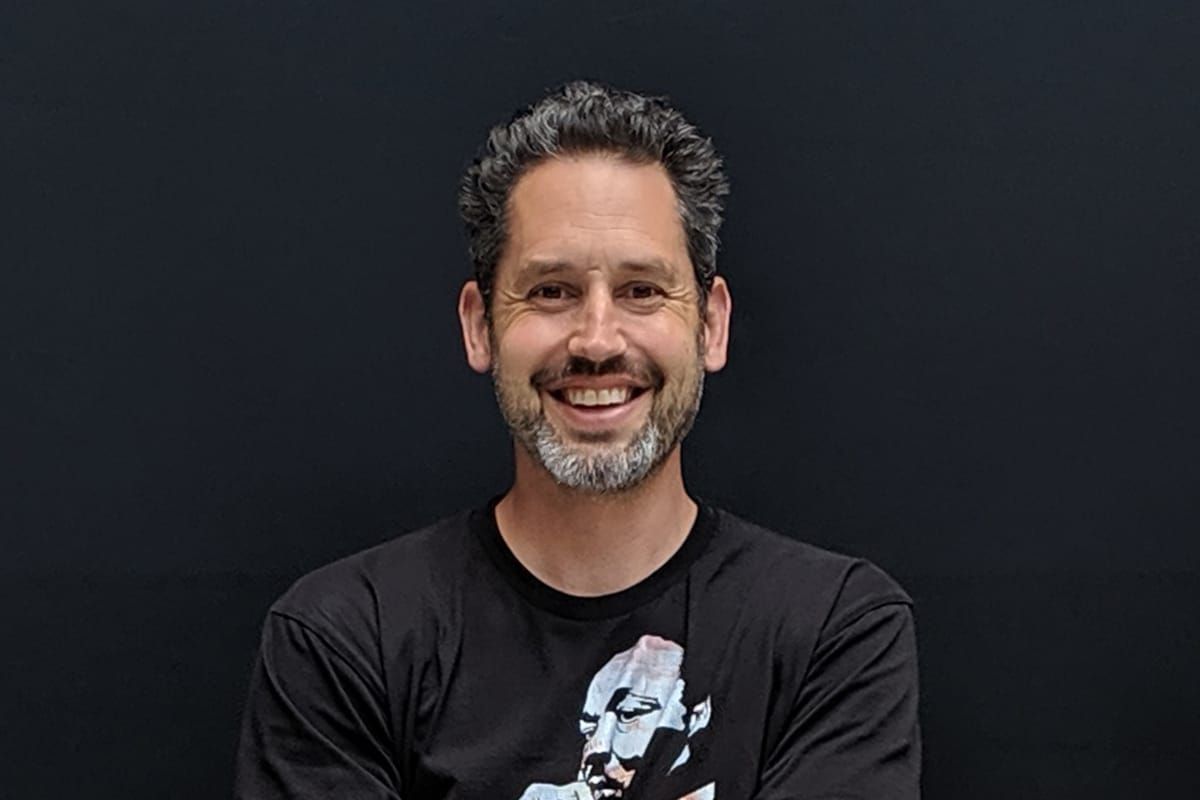
Name: Michael Wallman
Age: 49
Occupation: Engineer
What office are you are running for? Berkeley City Council, District 8
What is the main reason you are running? For years, Berkeley has endured vacant storefronts, failing infrastructure, unbalanced budgets, and out-of-touch leadership. Despite thousands of new housing units, rents remain high while transit ridership and school enrollment fall. Unfulfilled transit promises left us with congestion, cluttered sidewalks, and high costs.
To build an equitable, vibrant Berkeley, we need leaders who understand technology, rely on data, listen, create jobs, and fight injustice. I ask for your vote.
Why are you qualified? I grew up here, raised my kids here, and started companies here. As an engineer and problem solver, I am naturally curious: I disagree but commit, and if I don't know something, I learn it. My broad life experience—working with children, the elderly, and new technologies—helps me connect across our community. Fiscally conservative and action-oriented, I understand construction, infrastructure, and organizing. I prefer delivering real results over endless debate to build a stronger, united city.
What sets you apart from other candidates? What sets me apart is operating in multiple spaces. Deeply community-oriented, I serve on local neighborhood boards, active in the PTA, and organize events like Halloween and Easter egg hunts that kids remember for life. Concurrently, I work at the forefront of the intense tech sector. This unique positioning allows me to bridge the gap between grassroots community needs and cutting-edge innovation—ensuring we leverage progress, uplift everyone, and make daily life better across our entire city.
How and when did you end up in Berkeley? Born in Oakland to a Lebanese mother and Finnish father who met at the I-House as grad students, I was brought home as a newborn to Dwight Way. Raised near Lawrence Hall, I attended Berkeley’s public schools, community college, and UC Berkeley for my engineering degrees. This city shaped my life—from my first days on Dwight Way to founding local startups and now raising my multi-generational family on Panoramic Hill. Caring for this community is deeply personal to me.
What are the three biggest challenges for Berkeley in the next five years?
- Fiscal Responsibility - Prepare for an economic downturn by prioritizing critical projects, increasing efficiency, and boosting local businesses.
- Infrastructure - Support housing goals with safe, clean streets and smart development practices while protecting local neighborhoods.
- Climate Reality - Partner with UC Berkeley for cost-effective fire and earthquake safety solutions.
How would you begin to address them? We must partner with UC Berkeley, engaging experts and students while requiring the university to compensate the city for infrastructure impacts. Downtown needs major business anchors and fewer barriers for local small businesses. We should foster small firewise groups to strengthen community resilience, adopt non-surveillance AI to streamline permitting, and jump-start single-family housing upsizing—adding ADUs, duplexes, and triplexes built by local trades. Finally, I will ensure accountability by publishing detailed retrospectives and open datasets on key city issues, including vacancy rates.
What is one new idea you'd like to bring to Berkeley? Berkeley needs to flip it's housing approach through housing at scale. Instead of relying solely on mega-developments, we can build organic density across smaller properties. Converting single-family homes into co-ops, adding ADUs, or expanding footprints can multiply capacity. By providing guidance, tax incentives, and rental support to property owners, we can remove friction and rapidly unlock hidden housing potential citywide.
How will you be accessible to constituents? I will ensure strong constituent connection through three main commitments: personally responding to every email, call, or message; hosting weekly office hours at rotating local small businesses and public spaces across the district; and attending District 8 neighborhood meetings semi-annually to listen directly to priorities.
Are you using public financing? Yes
How much money do you expect to spend on your campaign? Only what is donated
A final thought? I'm new to Berkeley politics, and I'm surprised by the lack of accountability and reflection on past failures. Celebrations are common, but real transparency about what works and what doesn't is missing. Together, we need to roll up our sleeves and get to work to build an honest, accountable city government that delivers results.
Campaign website: wallmandistrict8.com
See complete election coverage on The Berkeley Scanner.