Who is Berkeley City Council candidate Moni Gangopadhyay?
"We should not balance our budget on the backs of working people and the financially vulnerable."
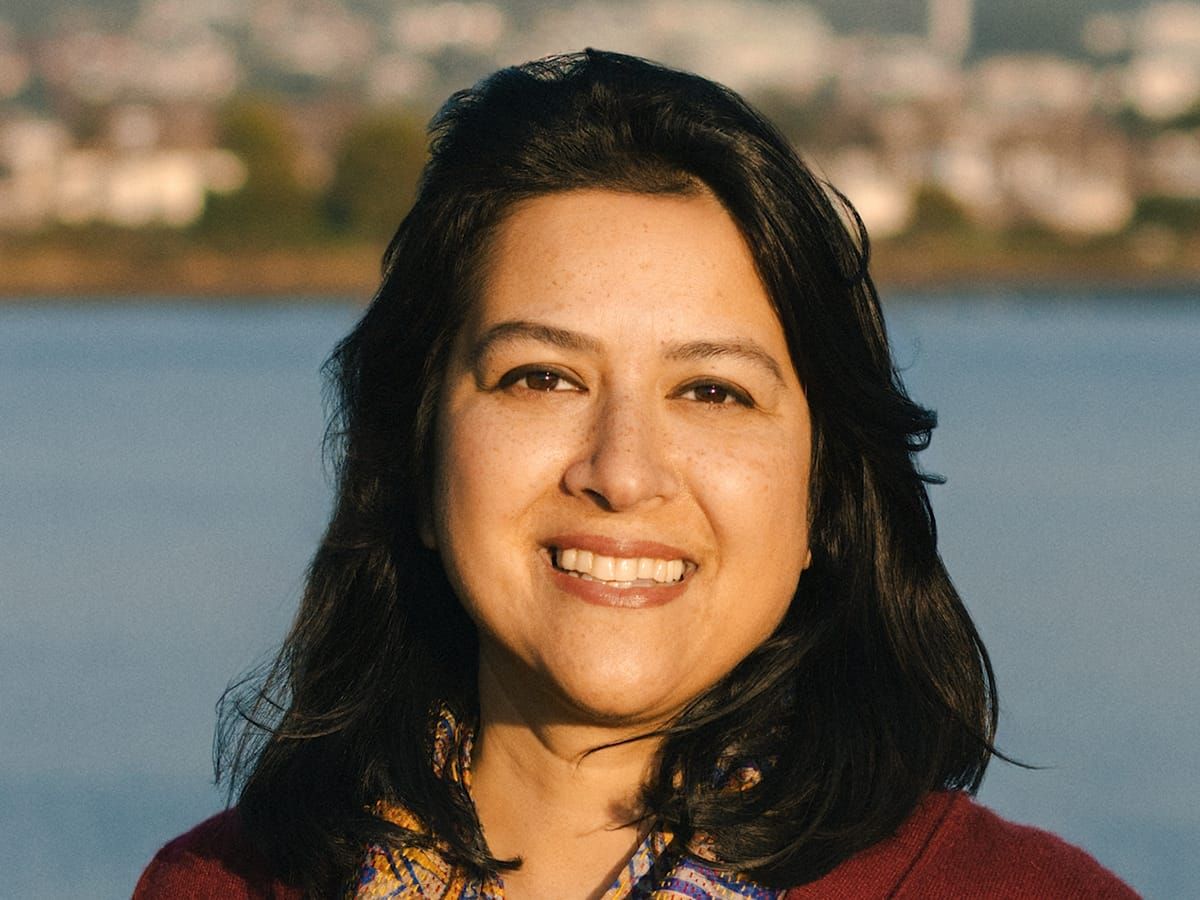
Name: Moni Gangopadhyay
Age: 48
Occupation: Clean energy policymaker
What office are you are running for? Berkeley City Council, District 1
What is the main reason you are running? Our city needs an experienced policymaker to meet today's challenges. Our City Council approves proposals that are understudied. Our city commissions design plans that are overly broad and ultimately harmful. Our representatives prioritize the interests of corporate real estate and surveillance industries over those of our community. If we fail to act now we will lose our beloved small businesses and the income, ethnic, and workforce diversity that are essential to a vibrant, functioning city.
Why are you qualified? As a policymaker at the California Public Utilities Commission, I hold a record of success in designing clean energy initiatives and protecting everyday Californians from fraud. I understand that making a meaningful impact requires bringing together diverse groups with a range of priorities in a manner that advances common objectives. In my line of work, my ability to work with community groups, special interests, businesses, and people at various levels of state and federal government, made the seemingly impossible possible, and the seemingly insurmountable achievable.
What sets you apart from other candidates? I am one of the only candidates with broad policy experience and the only one who advocated for accessibility on Hopkins Street. I am also the only candidate who worked to moderate the City and Planning Commission's plans to upzone entire corridors of our city in a manner that is targeted and effective. If our City fails to do so, rents will go up as they have in San Francisco (by 25%!) and we will lose our small businesses, expanding the blight we see across the city. We need a candidate with the backbone and experience to advance the interests of our people.
How and when did you end up in Berkeley? I came to Berkeley in 2010 and to the Bay Area and California in 2007. At the time, California was leading the way in clean energy initiatives, a strong interest of mine. In the summer of 2007, I had just graduated with a Master's degree from the Yale School of Forestry and Environmental Studies. I packed my bags, escaping New England-level snow for what I thought would be warmer climes. I know to pack a sweater in the summer now.
What are the three biggest challenges for Berkeley in the next five years? Berkeley will need to find a way to (1) overcome its structural deficit which seems to double every year, (2) prioritize its poorly maintained streets, sidewalks and public infrastructure and (3) continue to protect the interest of people and the environment over the organized efforts of billion dollar industries.
How would you begin to address them? I propose building a budget from the bottom up based on expert input from City staff, key stakeholders, and constituents. Our current practice is to carry forward budgets from prior years and add on new programs. This results in a budget crisis at the end of the fiscal year. At the same time, I will pursue new revenue sources so that our City can maintain its infrastructure and deliver quality services in an equitable manner. I will champion efforts to introduce a commercial vacancy tax, and work with local governments to create a sustained State wealth tax that can fund our cities’ priorities. We should not balance our budget on the backs of working people and the financially vulnerable. Lastly, I intend to take a stand against real estate speculation and mass surveillance.
What is one new idea you'd like to bring to Berkeley? I would like to pilot public services that reduce car dependency and uplift our community - this includes a fast and free shuttle along Hopkins and a walking plaza on Fourth Street.
How will you be accessible to constituents? I plan to hold weekly office hours and host facilitated town meetings to hear our constituents and address complex topics.
Are you using public financing? Yes
How much money do you expect to spend on your campaign? $60,000
A final thought? Thank you for this opportunity to connect with our city. An engaged city is a functioning city.
Campaign website: MoniForBerkeley.com | Facebook | Instagram | YouTube
See complete election coverage on The Berkeley Scanner.