Berkeley has a 30-year plan. Its leadership must match: Op-ed
Berkeley has a plan to tackle its $2 billion infrastructure backlog. The authors say it needs strong leadership to see it through.
Editor's Note: TBS publishes guest essays from community members on issues of concern. Today's piece was written by members of the Vision 2050 task force: Ray Yep, Larry Henry, Margo Schueler, Sophia Skoda, Dan Lindheim, John Gage, Sachu Constantine, Chrise de Tournay Birkhahn and Kristina Hill.
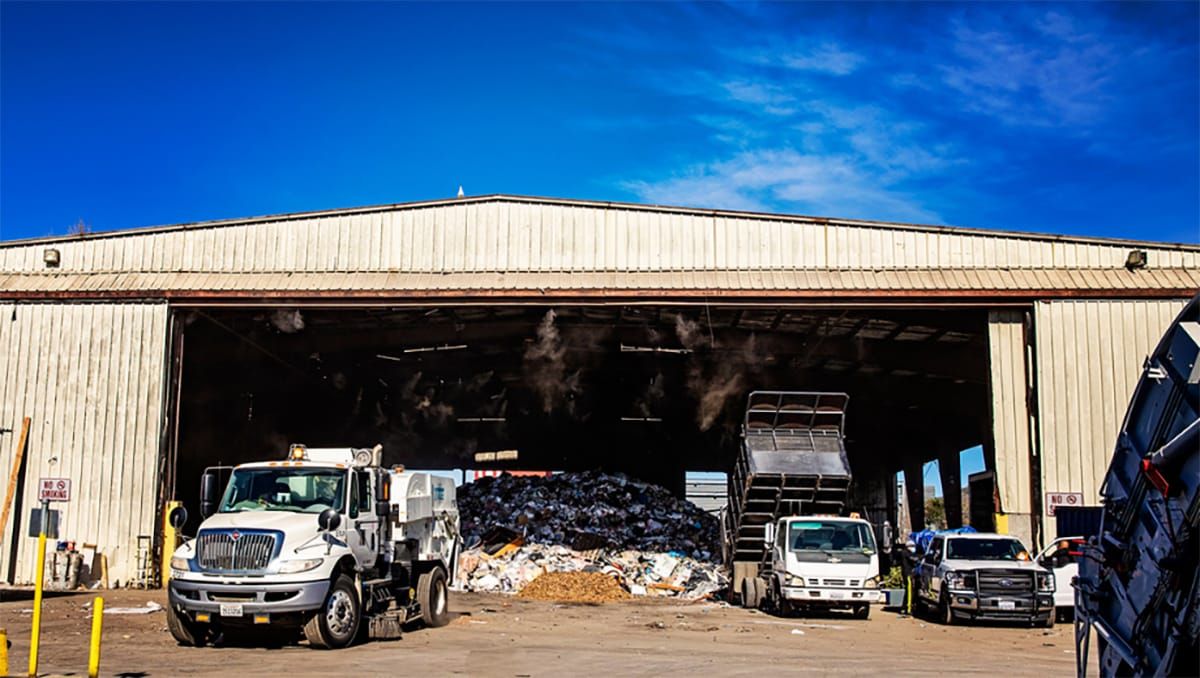
Berkeley has an unfunded infrastructure backlog of about $2 billion, accumulated over 75 years as streets, storm drains, sewers, public buildings, and the solid waste transfer station aged toward the end of their useful lives.
The need is real and urgent.
Berkeley voters will decide on Measure U, a $300 million infrastructure bond, in November. Whatever funding the city receives, the return on it will depend on the planning and leadership behind it.
Fortunately, the plan exists. In 2020, the Berkeley City Council adopted Vision 2050, a report from an expert citizen task force under Mayor Arreguín, setting a 30-year horizon for rebuilding the city's infrastructure.
Mayor Adena Ishii's task force updated it in 2025. Its recommendations remain the right ones:
- Plan across departments, not project-by-project
- A program plan covering the full unfunded need, prioritized using criteria such as Envision (comparable to LEED)
- An asset management plan that maintains facilities over their life cycle
- An organizational structure and staffing level matched to the work
- A financing plan for the $2 billion, including project phasing
Financial and environmental sustainability are the same question asked twice.
An asset that fails early, or locks in decades of unbudgeted energy and repair costs, is no bargain at any interest rate.
Resurfacing without an asset management plan hands our children the same backlog with a larger balance attached.
Four questions would help the city and the public alike, and we would welcome working through them together:
- How much of any bond proceeds funds long-life assets, and how much catches up on maintenance?
- What annual operating and maintenance obligations do the funded projects create, and from what revenue source will those be paid?
- How does each major project perform on sustainability, including lifetime energy and water use and resilience to flood, fire, extreme heat, and earthquake risk?
- Who oversees, audits, and reports publicly on project progress – and on what schedule?
A 30-year plan needs someone accountable across thirty years, which in a council-manager city points to the city manager's office.
We would like to help. We are asking the city manager to convene and lead a Vision 2050 Working Group of City staff and task force members to carry the Council's 2020 direction into a sustainable future.
Berkeley has a vision and the expertise — leadership is required.
Note: The authors served on the Vision 2050 task force and have contributed our expertise to the city over many years. We are independent and are unaffiliated with any campaign.
The Scanner will periodically publish guest essays from community members on issues of interest or concern. Submit your ideas to TBS.