Exclusive: Rashi Kesarwani will not seek re-election
In a deep-dive interview with The Scanner, she looked back at her nearly eight years as the Berkeley City Council member for District 1.
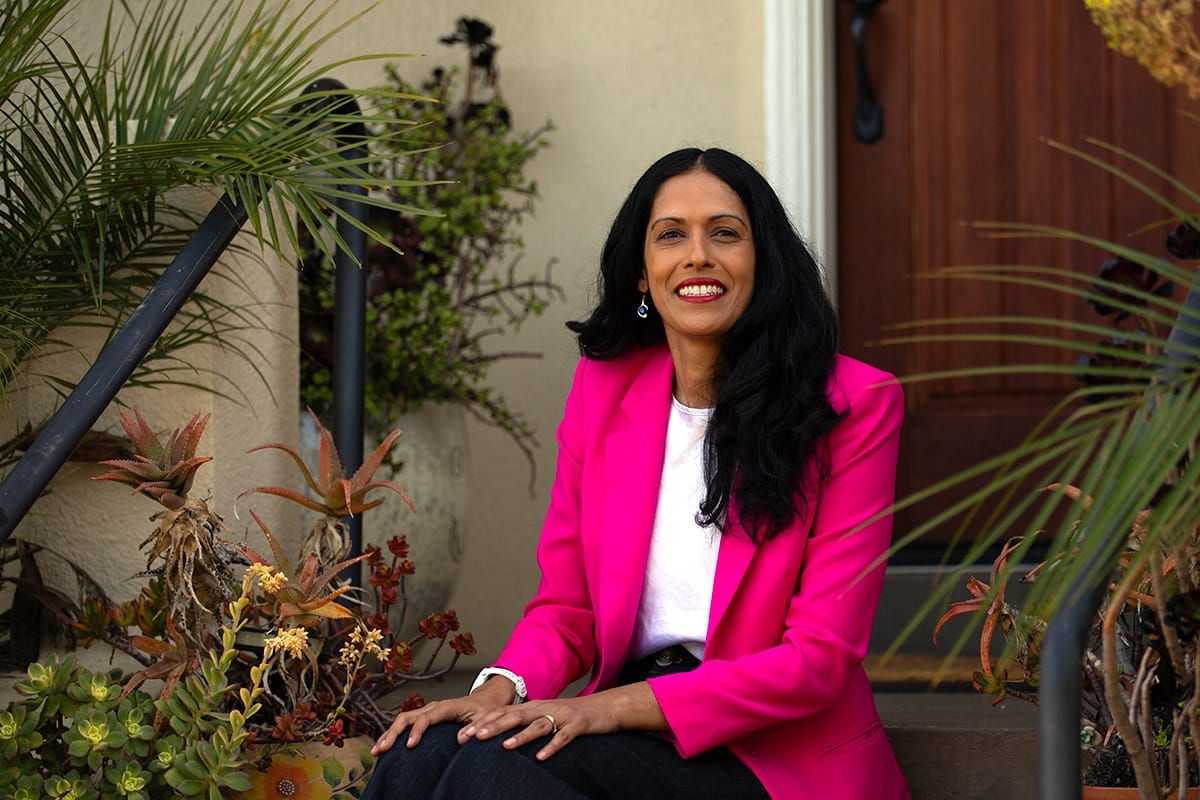
Rashi Kesarwani, the two-term City Council rep for northwest Berkeley, will not run again.
Over the weekend, in an in-depth interview with The Scanner, Kesarwani shared highlights and insights from her time in office, including lessons learned and hopes for the future.
Spoiler alert: Kesarwani has not endorsed a successor. But she said she's ready to make way for qualified candidates and is confident a strong one will emerge.
Over the years, Kesarwani has distinguished herself by her strong stances on housing, fiscal responsibility and public safety, often helping to ensure the passage of more moderate proposals.
In many ways, northwest Berkeley is one of the most complicated districts, with its longstanding challenges around homeless encampments, a waterfront that has struggled financially, and one of the most complex public housing proposals, at North Berkeley BART, that the city has seen.

It was North Berkeley BART that prompted Kesarwani to run for office in the first place.
It was 2018. Eight months pregnant, she attended the first community meeting about the housing plan.
At the time, it was barely a concept. But neighborhood interest was already high.
Linda Maio, then the council rep, helped organize the meeting. She had just announced her retirement, after 25 years, and the event included a sheet cake in her honor.
"It was packed. You could see there were strong emotions on both sides," Kesarwani said.
Back then, development in Berkeley was a more contentious topic. State law hadn't yet shifted to reduce local control, so cities had more autonomy.
As a result, housing projects were much tougher battles, taking more time and costing more money.
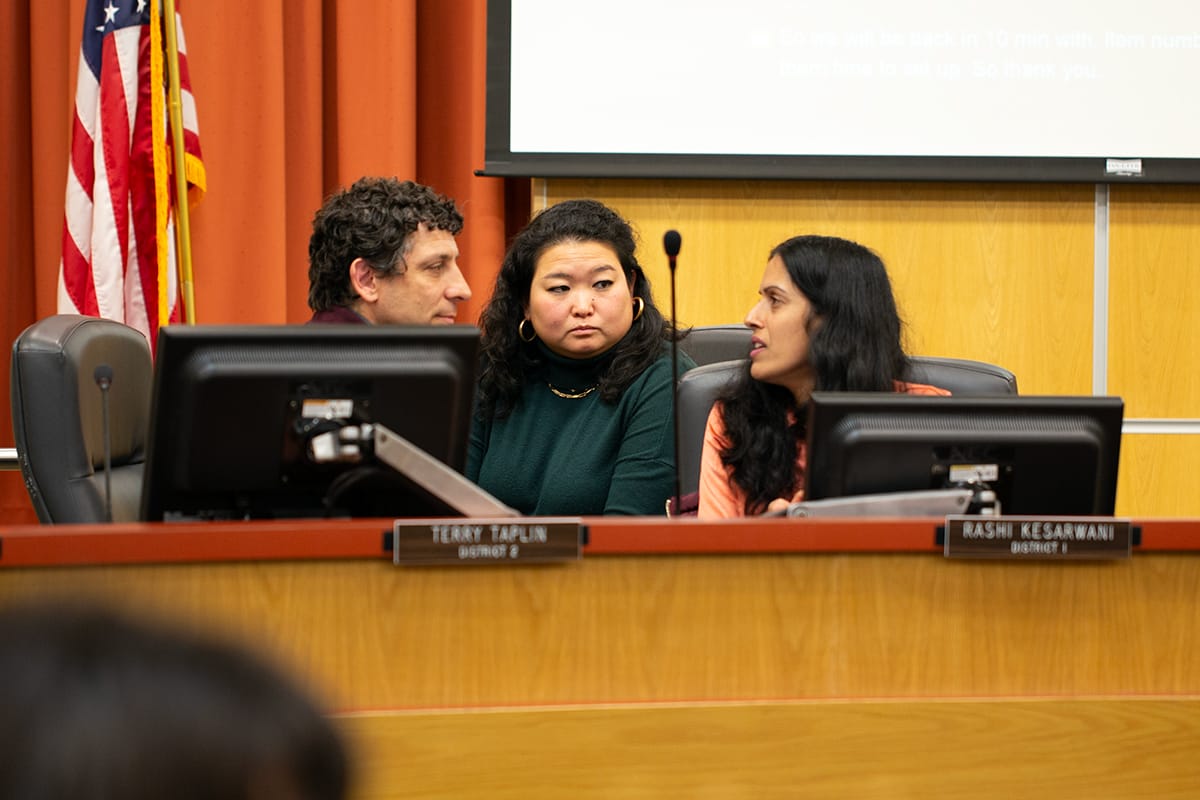
In 2018, Kesarwani knew she would be "the only candidate in the race who would openly support creating homes at that station."
" We now have an entirely pro-housing council. But back then that was, I think, a more courageous position," she said.
And, although she hadn't planned on using her maternity leave to run for office, "it did feel like a once-in-a-lifetime opportunity."
After getting her English degree at Brown University, Kesarwani later went to Cal for a master's in public policy.
A self-described "policy nerd," as evidenced by her robust monthly newsletter, she went on to work in policymaking and budgets in the nonpartisan state Legislative Analyst's Office and, afterward, at the Human Services Agency in San Francisco.
At the LAO, she "was trained to think about the right policy, first and always, and the right thing to do based on the data and the evidence."
Oftentimes, in explaining her votes on the dais, Kesarwani has emphasized her evidence-based approach.
" I've always tried to put forward what I thought was the best policy," she said. "That doesn't mean I'm always right or you always agree with what I do, but I try to be fair and try to always do the right thing."
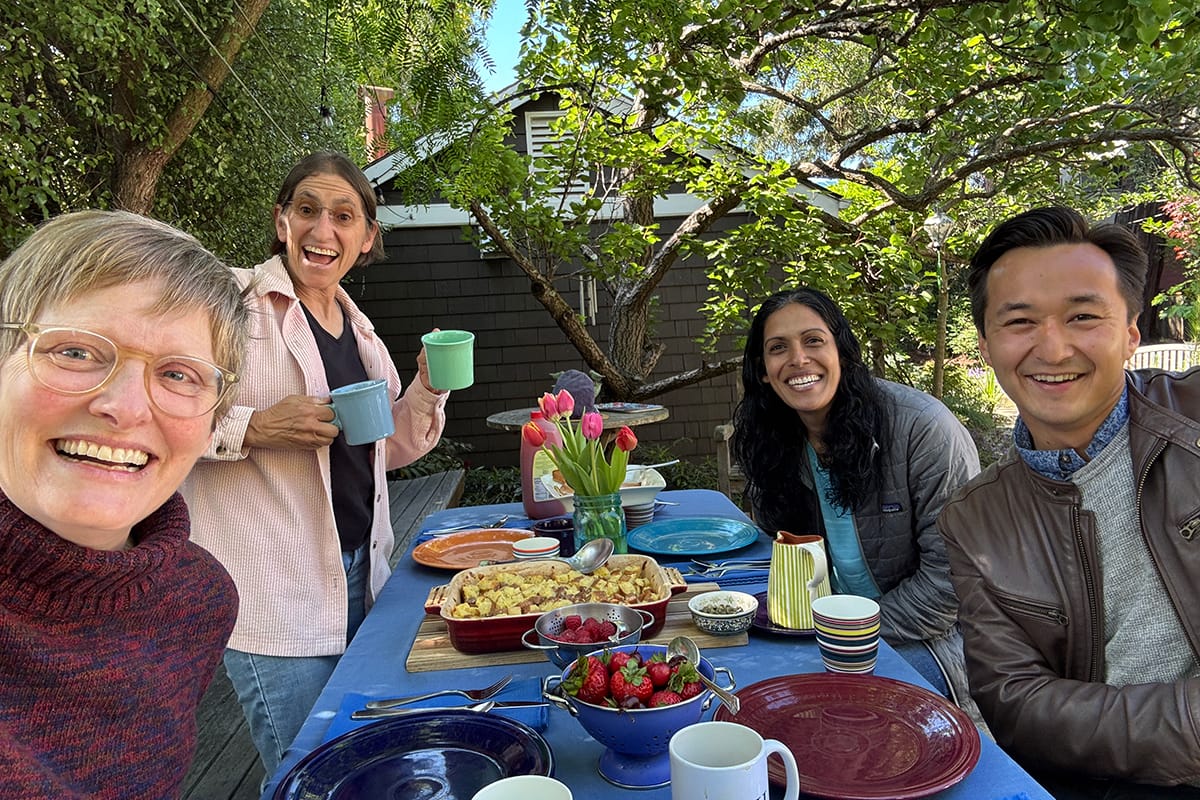
Former Berkeley council member Lori Droste called Kesarwani's decision not to run again "a real loss for Berkeley."
"She's brought a level of seriousness and integrity that is pretty rare," Droste said. "Even in heated public meetings, she didn't bend to pressure or tailor her message. She always told people the truth even when it was super hard for them to hear."
Droste recalled one public meeting related to a supportive housing project where neighbors were openly skeptical.
"She stood firm. She told them: This is what they elected her to do," said Droste. "That type of honesty and integrity is rare."
Rashi Kesarwani: "All in on housing at all levels"
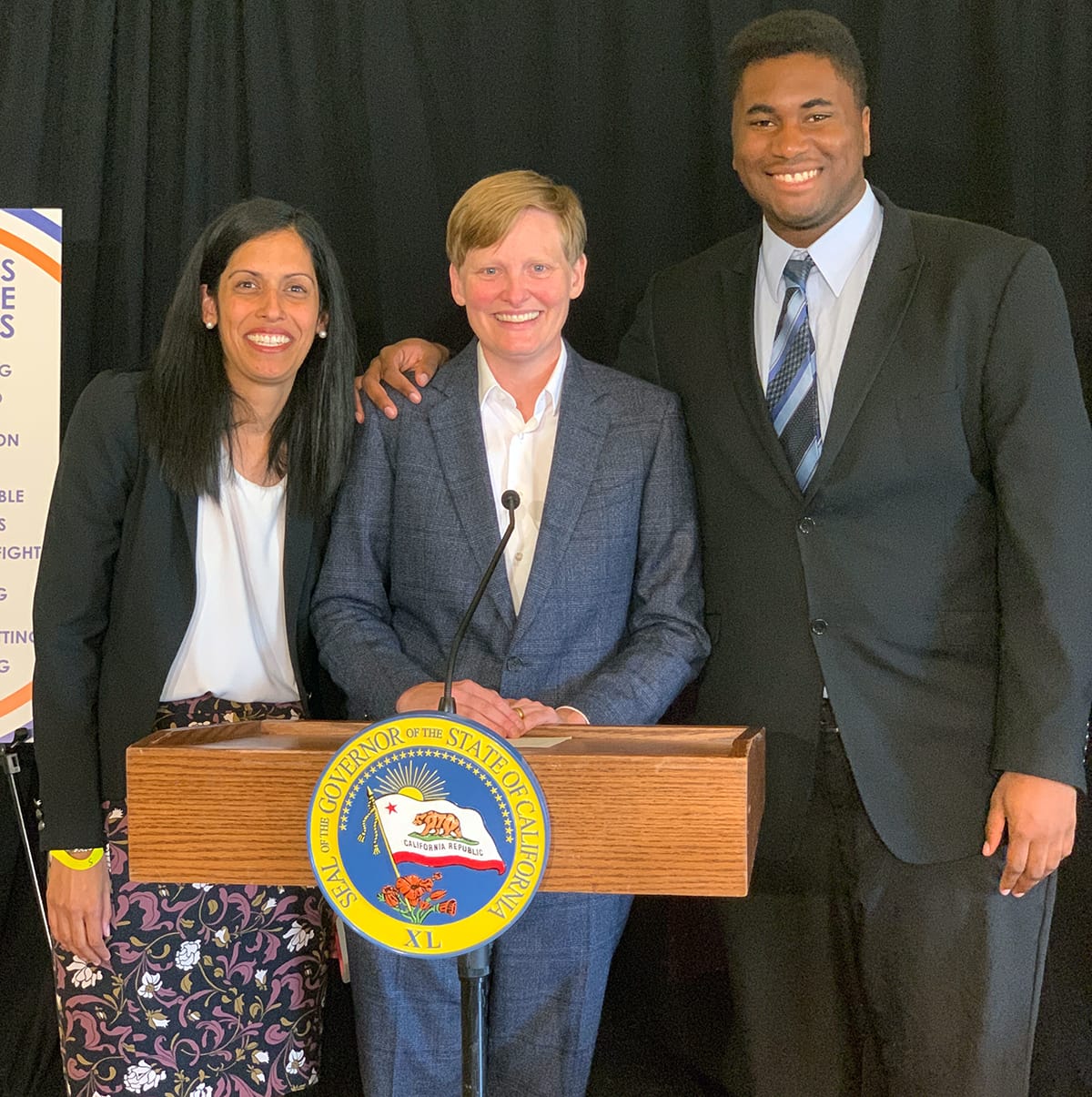
It was Droste who originally recruited Kesarwani to run for office.
At the time, Kesarwani was volunteering on Laurie Capitelli's 2016 mayoral campaign.
(Capitelli ultimately lost to Jesse Arreguín.)
Droste said she had been drawn to Kesarwani's policy background, pro-housing stance and "evidence-based perspective" — something Droste very much shared.
Droste also liked that Kesarwani was volunteering on a mayoral campaign, which doesn't interest everyone.
Another person Kesarwani met in those early days was Libby Lee-Egan, a local designer who helped found East Bay for Everyone (formerly East Bay Forward), a YIMBY group that advocates for housing and density, especially near transit, among other policy positions.
Lee-Egan said Kesarwani's views on housing and homelessness set her apart from the start.
"She's gone all in on housing at all levels," said Lee-Egan. "It's nice having someone you don't have to harangue about making the wrong votes all the time."
She, too, recalled a meeting — possibly the same one described by Droste — where neighbors were angry about plans to create supportive housing at the Golden Bear Motel on San Pablo Avenue.
Kesarwani's response? "If you don't like this, you don't have to vote for me."
Lee-Egan had been impressed.
She said she had also appreciated how Kesarwani approached housing at North Berkeley BART after changes at the state allowed for more density near transit stations.
"She's a big part of its success," Lee-Egan said. "She just had a very good idea of what was possible, what was ideal, and was just sort of shifting everything towards making it as dense and big as possible."
"You don't have to vote for me."
Kesarwani herself points to the North Berkeley BART project as her highest achievement in office.
After six years of community engagement and more than 50 meetings, the development team is on track to build 739 homes at the station.
Half of them will be affordable to low-income households, resulting in three 100% affordable buildings.
Berkeley officials used $40 million from the city budget to leverage $75 million in state housing and infrastructure funds. The project is expected to break ground next year.
" I feel really proud of the fact that, as my son continues to grow up, he's going to see these buildings get built and people living in them right next to the transit station," she said. "And that was really because of my work and the work of advocates in the community, and my council colleagues and the former mayor — who all recognized the importance of creating an inclusive community."
Even though many people supported more density at BART, there were definitely residents who opposed it or lobbied for a smaller project, concerned about the impacts on the neighborhood.
Early in the process, recalled Beth Gerstein, Kesarwani's council aide, Kesarwani heard their concerns and authored a letter to the state asking officials if they might reconsider the neighborhood designation (which would limit the project size).
At the time, some residents felt the state designation didn't fit and should be more restrictive.
"She knew the answer but she also knew that letter had to go out," Gerstein said. Kesarwani wanted constituents to know she heard their concerns and was, at the very least, asking questions.
"She's very strategic," Gerstein said. "She does a masterful job of planning out how to approach different issues and policy items."
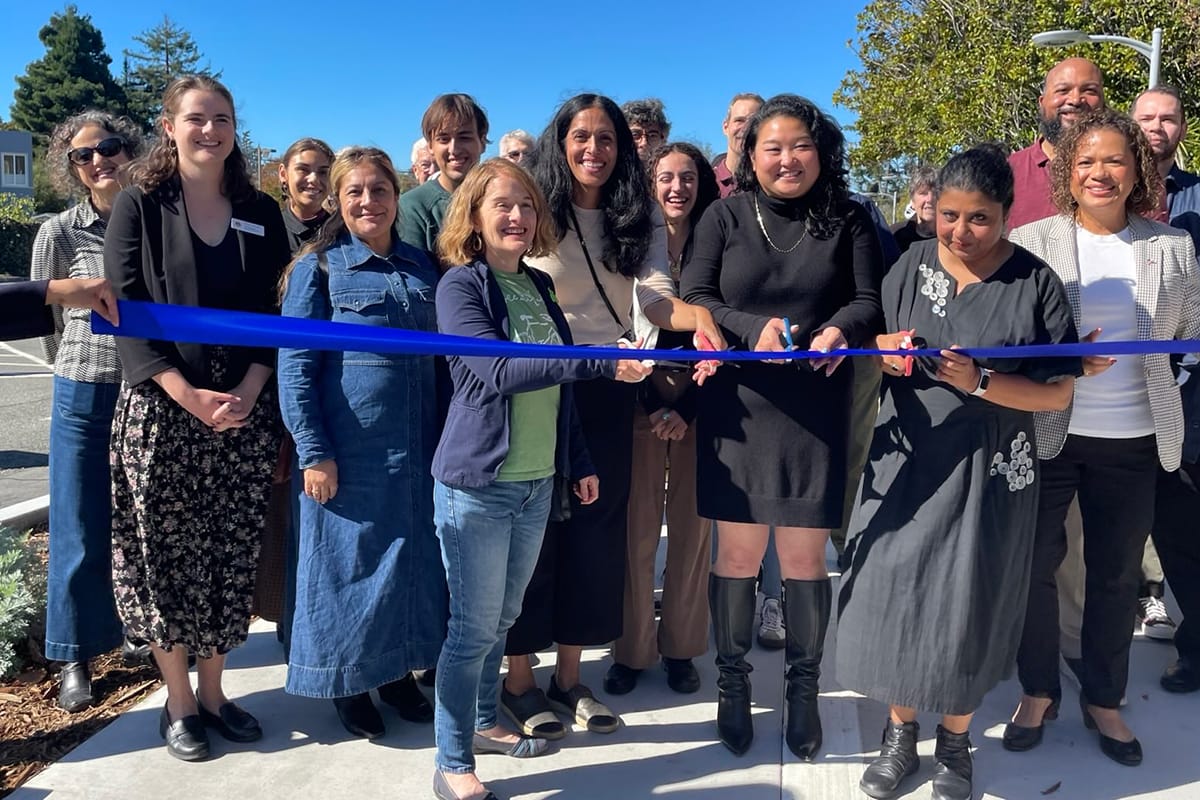
Gerstein pointed to how Kesarwani had encouraged the community process around BART, to ensure stakeholders had a chance to weigh in, and how she'd once spent two hours on the phone with a Walnut Creek resident hearing about how housing near BART had impacted their neighborhood.
"She'll talk to everybody," said Gerstein. "We talked to zoning experts, we talked to planners, we talked to people who had done similar things. Just so she can be informed of the different things to think about."
And Kesarwani often shared those themes with city staff, suggesting a new PowerPoint slide, before a big meeting, that might address concerns or misinformation.
"She's thinking about these things all of the time," Gerstein said. "She's working it in her head."
During her tenure, Kesarwani has also championed policies related to "middle housing" (building multiple homes on one lot) and corridor upzoning (still hotly contested).
An upcoming item will propose incentives for condo development.
Kesarwani describes the through-line in many of her items as policies that "promote starter home ownership opportunities."
 Emilie Raguso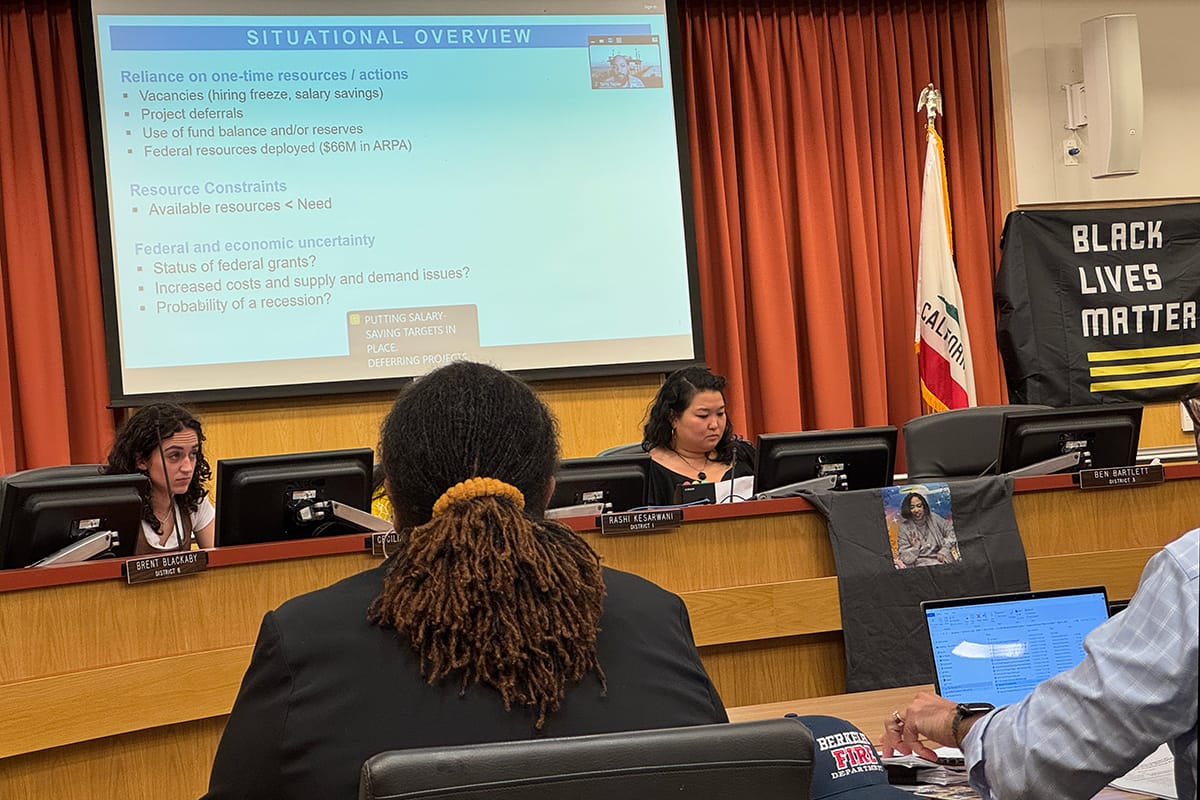
Then there's her focus on fiscal oversight.
In 2024, she spoke forcefully about the city's structural deficit long before others on the dais brought up spending cuts.
As a veteran member of the City Council Budget & Finance committee, she has kept those concerns in the foreground for years, even when it meant opposing pet projects colleagues advanced.
In 2022, Kesarwani co-authored a plan to double Berkeley's commitment to street paving — cost savings in the long run — and helped secure a $15 million state earmark for the Berkeley waterfront.
It was the largest state investment in Berkeley parks anyone could remember.
" It is sort of a niche thing to understand a public budget," she said, from vacancy assumptions to police overtime, and the complex calculations that are made when using savings from open positions to fund other needs.
Emilie Raguso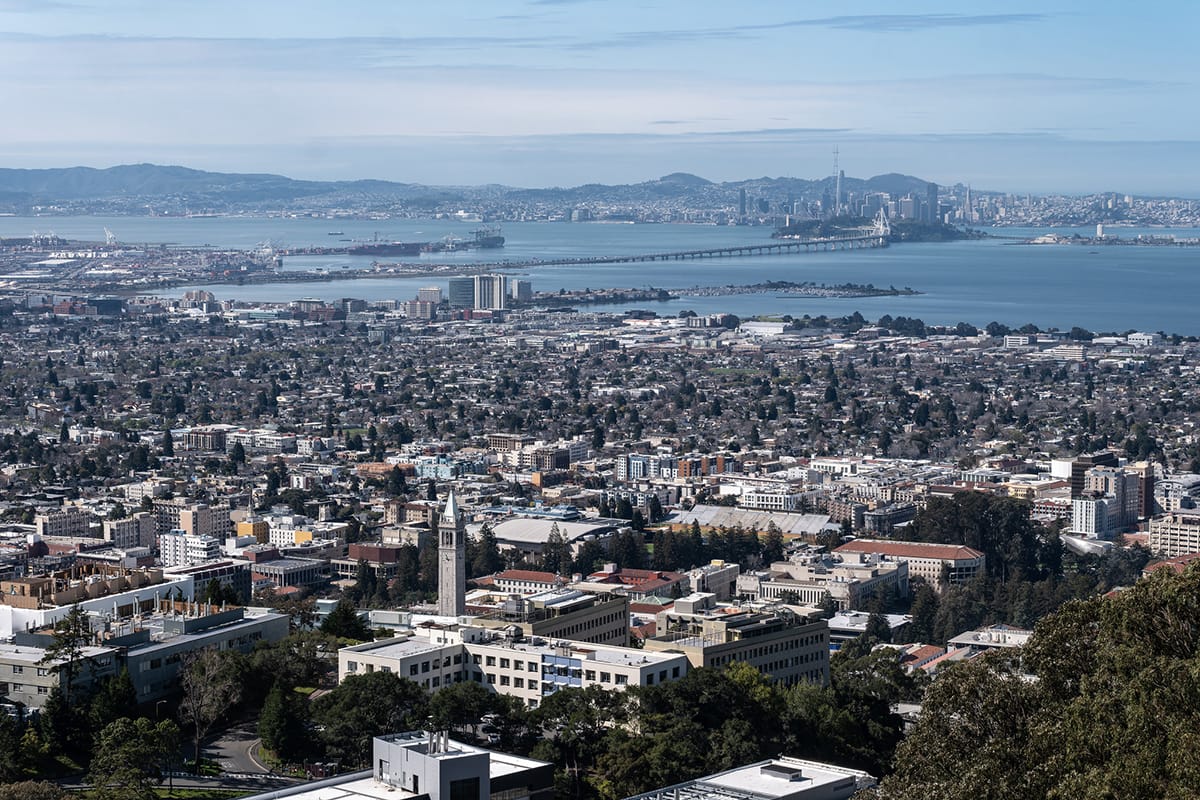
This year, the city is looking at even harder budget decisions — with 10% cutbacks, or more, under consideration. Some staffers have already been advised of potential layoffs.
"There's no emergency reason to draw on the reserves. Revenues are just not enough to cover expenditures," Kesarwani said. "We are in this situation where the bills have come due."
She's still looking for solutions.
In January, she authored a proposal to increase Berkeley's sales tax to match neighboring cities. If voters approve it, it's expected to raise about $10 million a year.
There would still be a $20 million gap in the general fund budget — but it would be something.
"I always said yes to permanent supportive housing"
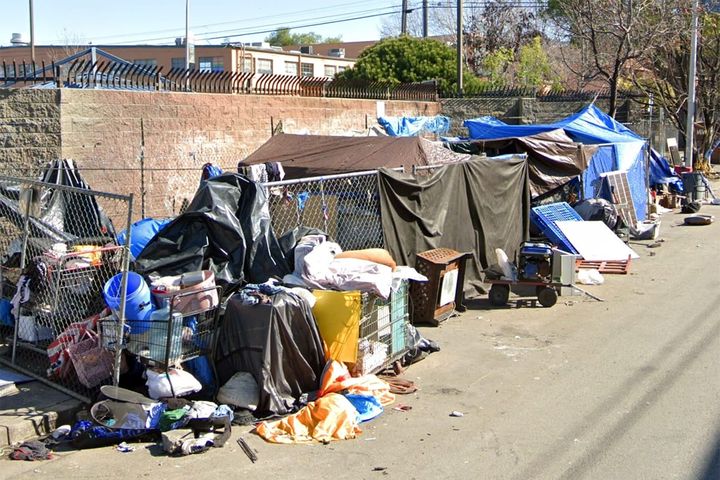
The other large challenge in District 1 has been its homeless encampments.
The freeways and industrial neighborhoods of northwest Berkeley have seen sprawling encampments come and go.
Some have been cleared — on University Avenue at I-80; along Second Street — but others, particularly around the Harrison Street corridor, remain.
Kesarwani said the city has taken a "multi-pronged approach" to addressing the issue, through permanent supportive housing options and "putting forth an encampment policy that has worked."
The supportive housing piece has resulted in the conversion of five District 1 motels into "non-congregate" housing that homeless people are more likely to accept.
Berkeley's investment in supportive housing has contributed to a 45% drop in unsheltered homelessness, the city says, far outpacing surrounding jurisdictions.
"I always said yes to permanent supportive housing," said Kesarwani.
Emilie Raguso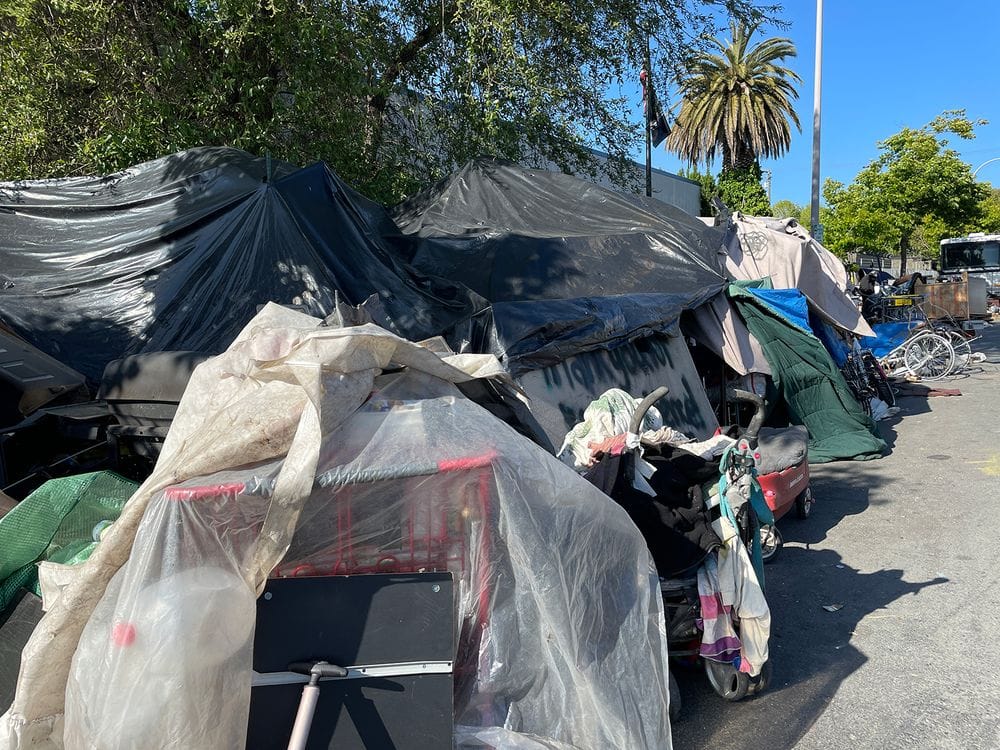
Kesarwani has been a staunch advocate for "housing first" models — and she's also stood firm for closures and enforcement, or encampment resolutions, under the right circumstances.
In 2024, she authored a policy that would allow Berkeley staff to clean up encampments the city deemed hazardous, even when it couldn't offer housing to everyone.
It was a major shift, following the Grants Pass U.S. Supreme Court ruling, in what had been a largely hands-off approach during the pandemic.
Some, including local business owners, say Kesarwani has not done nearly enough to tackle problematic encampments, or that Berkeley's supportive housing motels cause spillover problems in the neighborhood.
On the other side, critics of the encampment resolution policy say "sweeps" are detrimental to unsheltered residents and the communities they need for survival.
Last year, that policy, along with a related RV buyback program, helped the city close a longstanding encampment at Second and Cedar streets.
" I want the public to recognize that the policy works," Kesarwani said. " It's working on Second Street. It continues to be clear, with the signage. It's not working on Harrison Street because of litigation the city has faced."
Emilie Raguso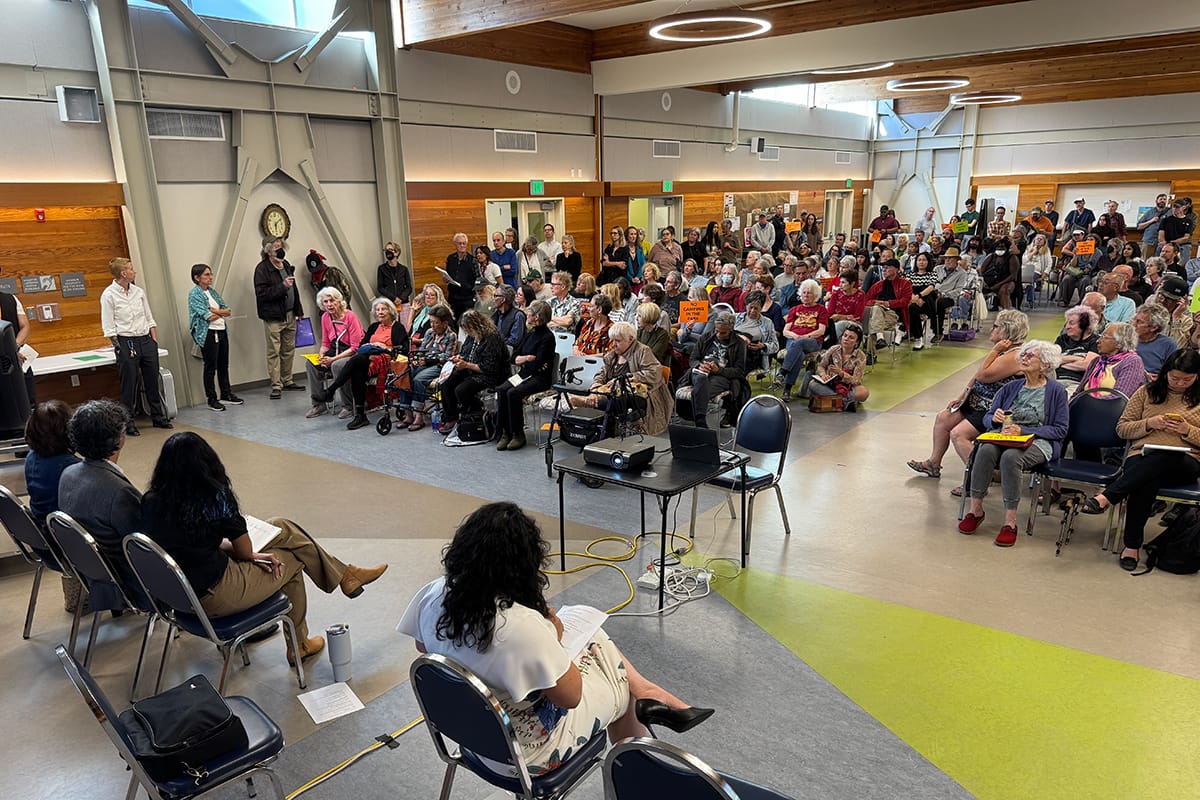
Enforcement around homeless encampments has not been the only area where Kesarwani has advanced public safety.
She has often backed a more traditional approach to law enforcement — not always a popular view in Berkeley — while also endorsing efforts, particularly after George Floyd's death, to address racial disparities in policing.
"We need to empower our police department with technology"
Notably, since last year she has authored items she says will modernize Berkeley police policies for helicopters, K-9s and pepper spray, and supported public safety technologies like license plate readers and drones.
"I have been somebody who believes very strongly that we need to empower our police department with technology that can leverage the staff that we have," said Kesarwani. "Because we are in a staffing crisis like a lot of other police departments."
Kesarwani's positions on public safety and housing have sometimes drawn criticism.
When she ran for re-election four years ago, her push for housing at North Berkeley BART was a key issue in the race. A run-off election left her with 53% of the vote.
Over the years, she said, she's had to learn how to remain steady under pressure and push through exhaustion, with marathon meetings sometimes lasting past 1 a.m.
"It's challenging to be an elected official at any level," she said. "It does take a lot out of you on a regular basis to face the criticism."
The pressure is real. In 2024, two Berkeley City Council members — Rigel Robinson and Kate Harrison — resigned mid-term, just weeks apart, citing stressors related to the job.
The strain comes, in part, from making weighty decisions that inspire months of heated public comment. There can be nasty emails, often. Not to mention protests and disruptions at meetings.
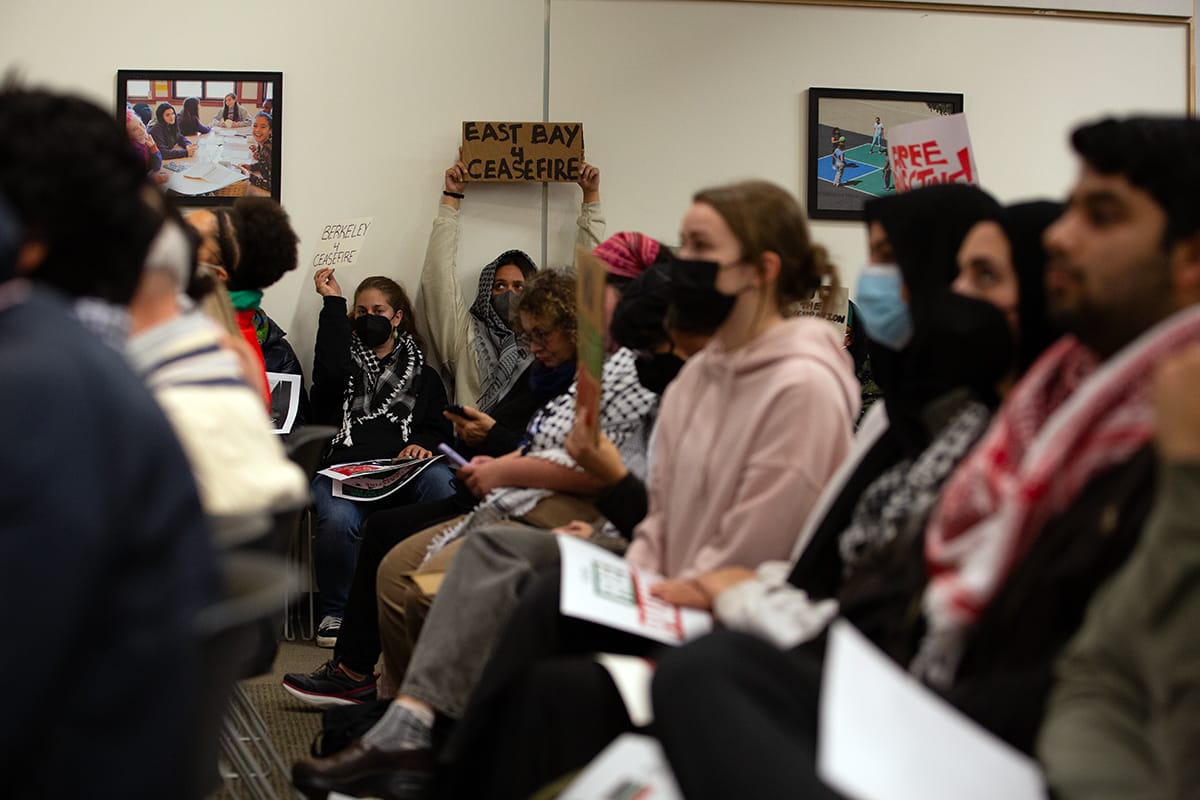
After Oct. 7, local activists pushed hard for the Berkeley City Council to adopt a Gaza Ceasefire resolution, showing up in sometimes unruly ways. Officials never caved.
But, at times, they took refuge in a back room to continue their business — which the courts later said violated open meeting laws.
"Those were difficult meetings," said Kesarwani. "Where I'm asking the city manager about a metal detector wand, for instance. And whether I can get a police escort to my car. Or how am I going to exit if the meeting gets out of hand. Those are tough times."
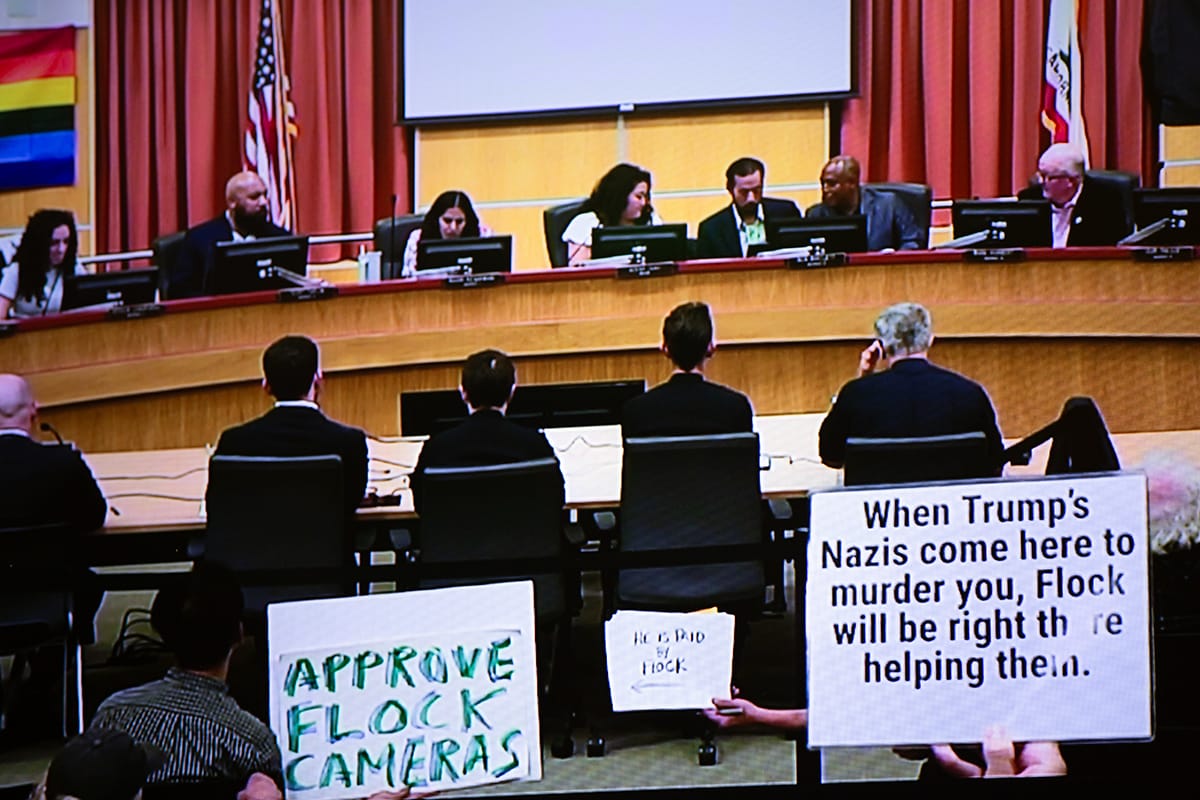
She said many attendees at public meetings often seem to forget that their view is not the only one.
"I am the council member. I get all the emails," she said. "I have the relationships with thousands of people in the district. And so I also have a gauge on who's not here — who doesn't have a problem with it. That can be hard for folks to understand."
" I definitely know that those voices are not necessarily representative of the 15,000 residents that I have the responsibility of representing," she added.
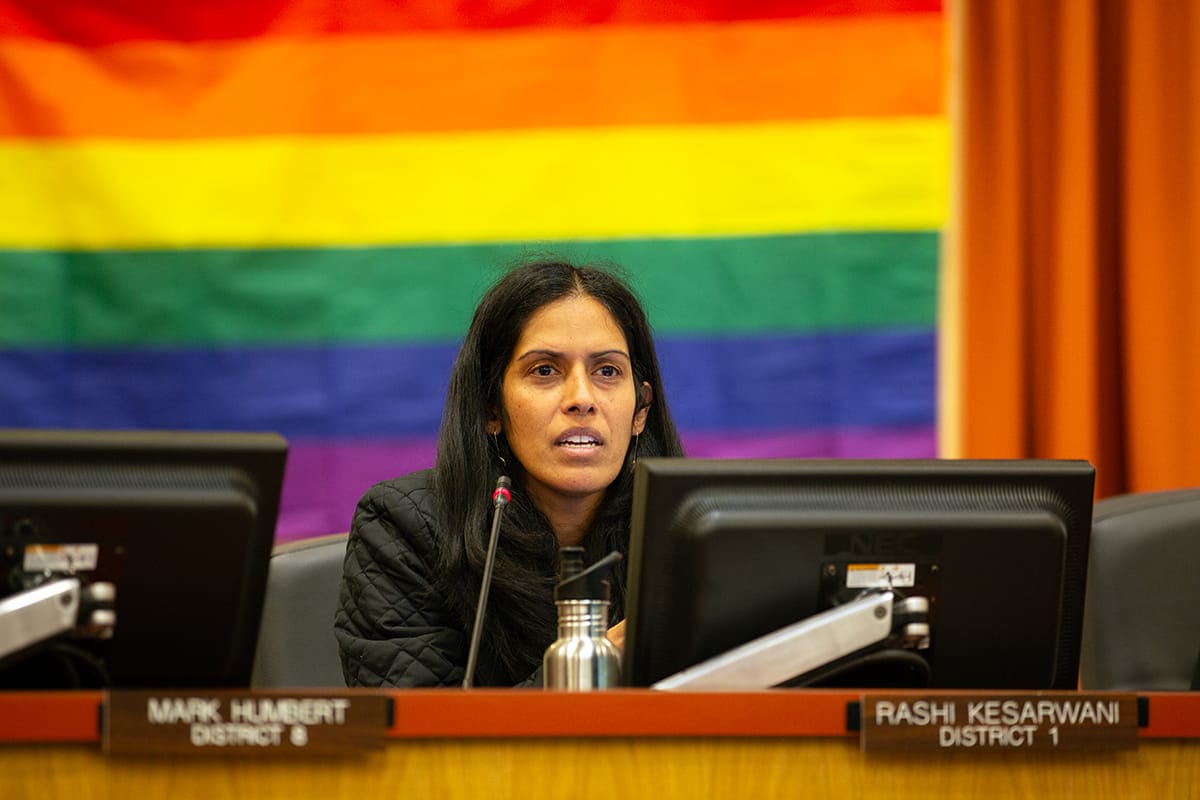
As she winds down her time on council in the coming months, Kesarwani has gone back to full-time budget and fiscal policy work. In the future, she's considering shifting her emphasis to local housing and homelessness.
But that's a decision for another day.
"My focus right now is finishing the council term strong," she said.
" I really don't regret any vote I've taken. But you definitely want to learn from everything. And do better to continually improve," Kesarwani said. "And you're doing all this in public. So it's different from any other job that I've had, or that I would expect to do in the future."
Come November, northwest Berkeley's District 1 won't be the only open seat on the Berkeley City Council.
Last week, Cecilia Lunaparra — the Southside Berkeley rep in District 7 — said she would step aside when this term ends to focus on other things.
Lunaparra has already thrown her support behind Syrak Micael, who launched his campaign Friday.
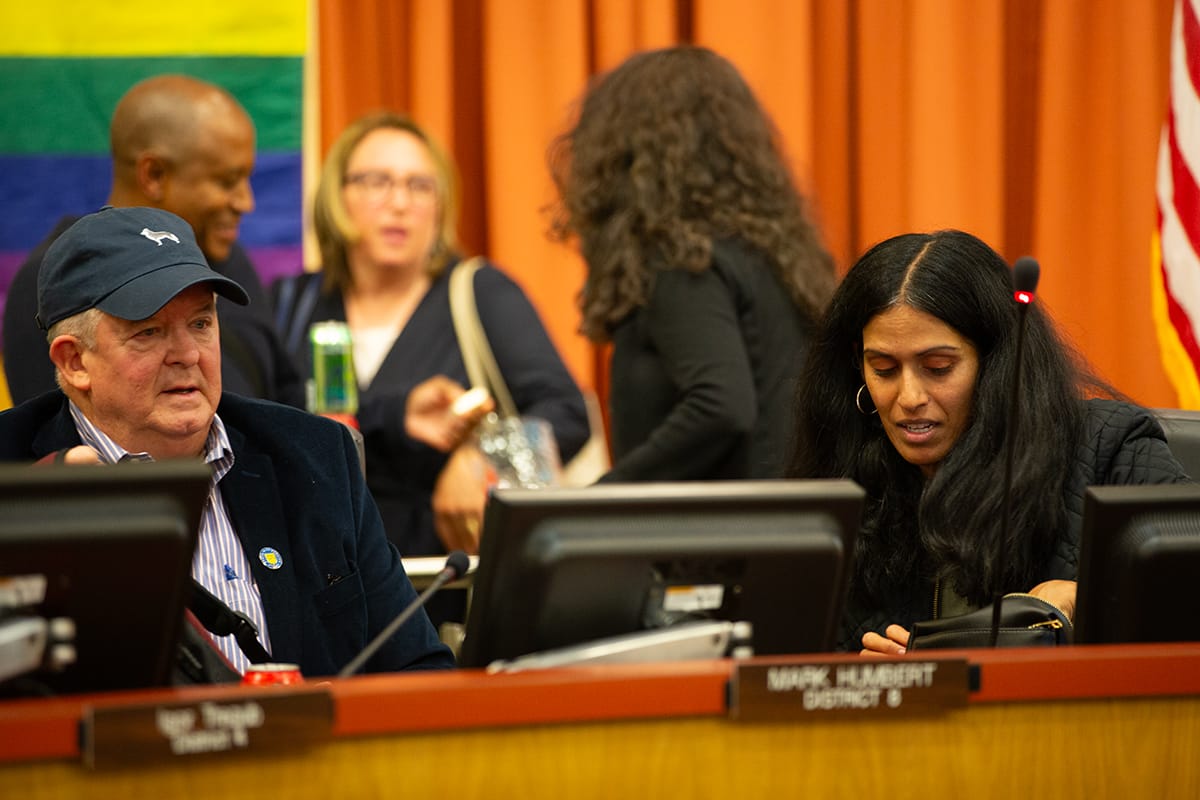
In downtown Berkeley (District 4), Igor Tregub has said he will run again. So will Mark Humbert in the Claremont-Elmwood neighborhood (District 8).
For now, Kesarwani said she's not backing any particular D1 candidate — yet.
But she said she knows what she's looking for: someone who is committed to "a vibrant, safe and inclusive community. Fiscal oversight. Making decisions using evidence."
Not to mention a collaborative spirit with colleagues across the dais.
" I have tried to do that, and I hope that whoever is in this role will continue to do that, too," she said.