Berkeley can clear Harrison encampment, judge says
In a series of orders, the judge also carved out new rights for Berkeley homeless residents. The city did not respond to requests for comment.
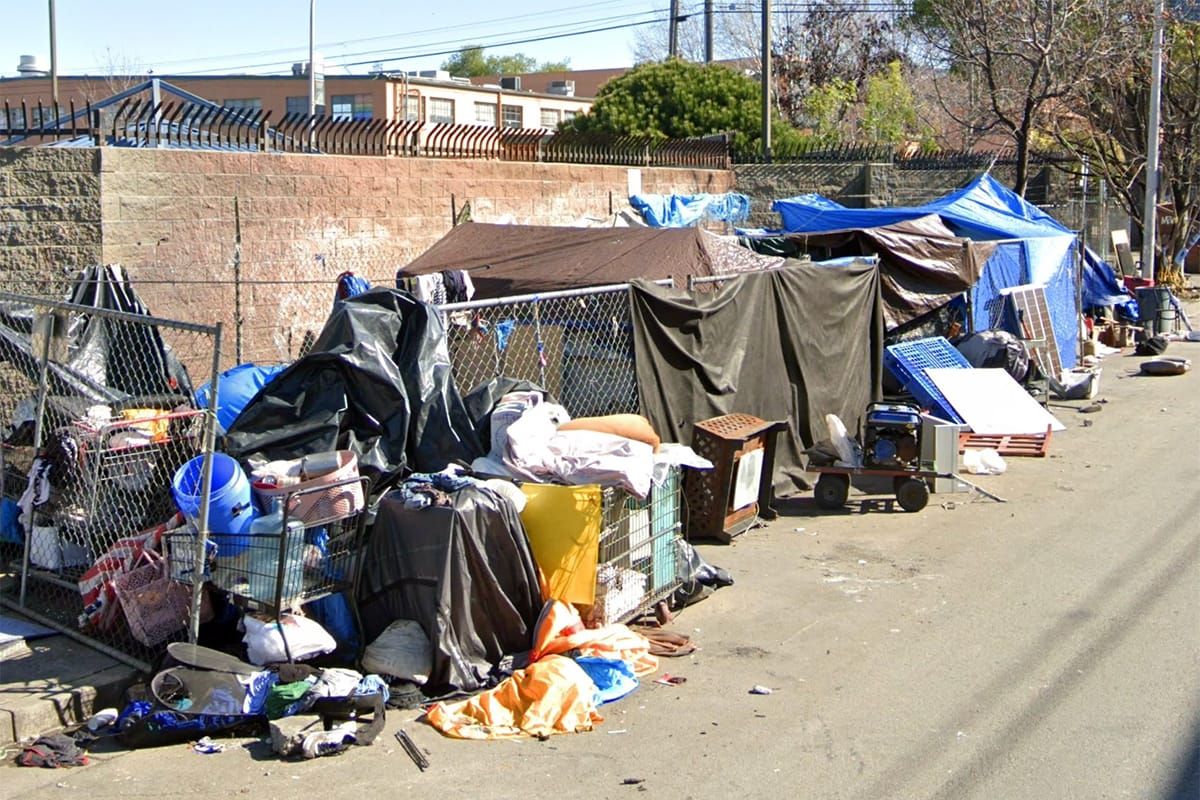
Berkeley can remove its last large homeless encampment, but it must replace any "survival gear" it destroys and try to preserve camper property, a federal judge has ruled.
Going forward, said U.S. District Judge Edward Chen, campers must also get more space for their tents and belongings — as long there's room for someone to pass.
Over the weekend, in three separate rulings, Chen denied an "indefinite pause on abatement" but outlined what the city must do before clearing the Harrison corridor encampment around Eighth Street.
Berkeley says it must act quickly to curtail ongoing problems with leptospirosis, a potentially deadly bacteria spread by rats.
The city originally announced plans to remove the Harrison encampment in December 2024 but, in the weeks that followed, the Berkeley Homeless Union sued to block the action, citing disability claims.
Read more about homeless camps in Berkeley.
In broad strokes, in his recent orders, Chen said the city does not need to designate a safe relocation site for Harrison encampment residents but must help with the relocation or storage of their property unless items are "plausibly contaminated" or present "a genuine health or safety risk."
He also ordered the city to provide a replacement tent and other "survival gear," such as sleeping bags and clothing, if those items must be destroyed or do not allow a 6-foot passage on the sidewalk at whatever new site the camper selects.
(In January, the city set a "safety buffer" around Eighth and Harrison, of one-third of a mile, and said campers must move outside that zone to allow for the leptospirosis cleanup.)
In his rulings, the judge also prohibited the city from towing or destroying vehicles in the Harrison corridor without (1) first "pursuing less restrictive alternatives"; and (2) making individual findings that the vehicles obstruct traffic or pose a safety threat.
 Emilie Raguso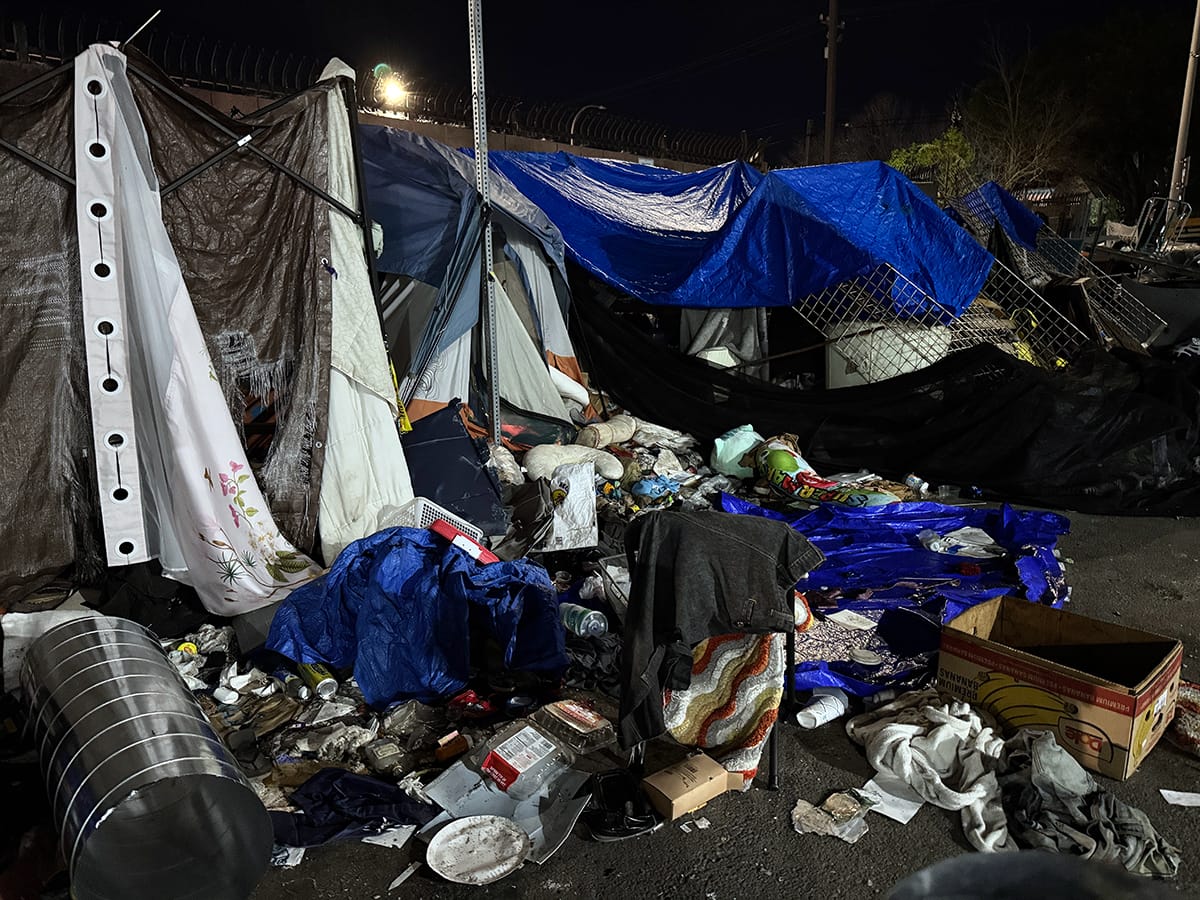
In a separate order, Chen issued specific rules for 16 people who say they require accommodations under the Americans with Disabilities Act.
He said "the City must conduct individualized assessments" of each of them "to ensure that they have reasonably sufficient space in which to establish shelter" wherever they move.
Chen said Berkeley's typical "3x3 rule" — that possessions fit within a 3-by-3-foot area — should not apply to those individuals because of their disabilities.
He went on to write that he had seen "no evidence" that "any tent providing shelter" could fit within a 3-by-3 space.
"The City must account for the claimant’s disability-related needs, the actual width and physical characteristics of the sidewalk in question, as well as the public interest in maintaining a reasonable path of travel," he wrote.
Chen said the city could not apply the "3x3 rule" to the tents of non-disabled residents either, "so long as the tent does not unreasonably interfere with sidewalk passage," which is required to be at least 6 feet.
"We did not win everything," said Yesica Prado, president of the Berkeley Homeless Union, in Monday's announcement. "But we won something that no one can take away: our homes. The Court made sure that when we leave, we can take our tents, our vehicles, and still camp with each other without facing serial evictions. That is not nothing. That is hope."
And the case isn't over, the Berkeley Homeless Union added.
The matter is "still very much alive," and set for trial in October, said Anthony Prince, who represents the Berkeley Homeless Union (as general counsel for the California Homeless Union).
Meanwhile, the city has filed two appeals with the Ninth Circuit since November, arguing that the Berkeley Homeless Union lacks standing to sue the city; challenging its ADA claims; and saying Judge Chen's "serial extensions" of his 2025 injunction, blocking abatement, "violate binding Ninth Circuit precedent."
Those matters remain active.
As part of its announcement, the Berkeley Homeless Union said it would "confront" Mayor Adena Ishii about the Ninth Circuit appeals at 5 p.m. Monday outside a meeting she was set to attend near the UC Berkeley campus.
The group said it wants Ishii to place a resolution to rescind those appeals on an upcoming Berkeley City Council agenda.
Neither the mayor's office nor the city of Berkeley responded to requests for comment Monday.