Crew targets Berkeley woman, 89, with rooftop raccoon scam
"I did nothing but shake for two days," the woman told TBS. "It finally came to me: My trust had been violated."

It all began with a sharp rap at the door Tuesday afternoon.
Joan (not her real name) was in her living room, near Ashby BART, getting ready to work on her taxes. Financial documents were spread out all around her.
When she opened the door, a young man in his 20s, wearing a tam-o'-shanter, said he had been up the street on a rooftop when he noticed a raccoon on her roof.
He offered to take it away and release it in the Berkeley Hills.
"Not kill it," she said. "I was worried about that."
The job would cost just $60, with part of the cash up front. Joan, who is 89 and has lived on the block since 1974, agreed.
Ultimately, three men — all white, with medium builds, wearing woolen gloves — came to the house and put up a ladder.
Two of them looked to be in their 20s and had Irish accents.
When she asked if they were Irish, one said no: He was Australian from Sydney, he said. The other man had no accent and looked to be in his 30s.
Joan gave them the down payment, first checking for cash in one of her normal hiding spots, then getting it out of her purse as the crew looked on.
At one point, Joan showed one of the men how to access her attic via the living room. But he didn't seem to be in any rush.
Instead, he asked her if she could hear the raccoons moving around, mimicking the sound of animal noises. He kept busy searching for a flashlight.
At a certain point, the initial man walked in and told Joan the job had changed: They had removed some of her shingles, leaving a hole in the roof.
The cost to fix the hole? $1,600.
At that point, enough was enough.
"I just had to say: GO," she said.
The crew took no convincing.
"They fled out of the house" to a white pickup truck parked down the street, she said, leaving their ladder outside. "They roared, fast as hell, by the house. It was stunning — in every sense of the word."
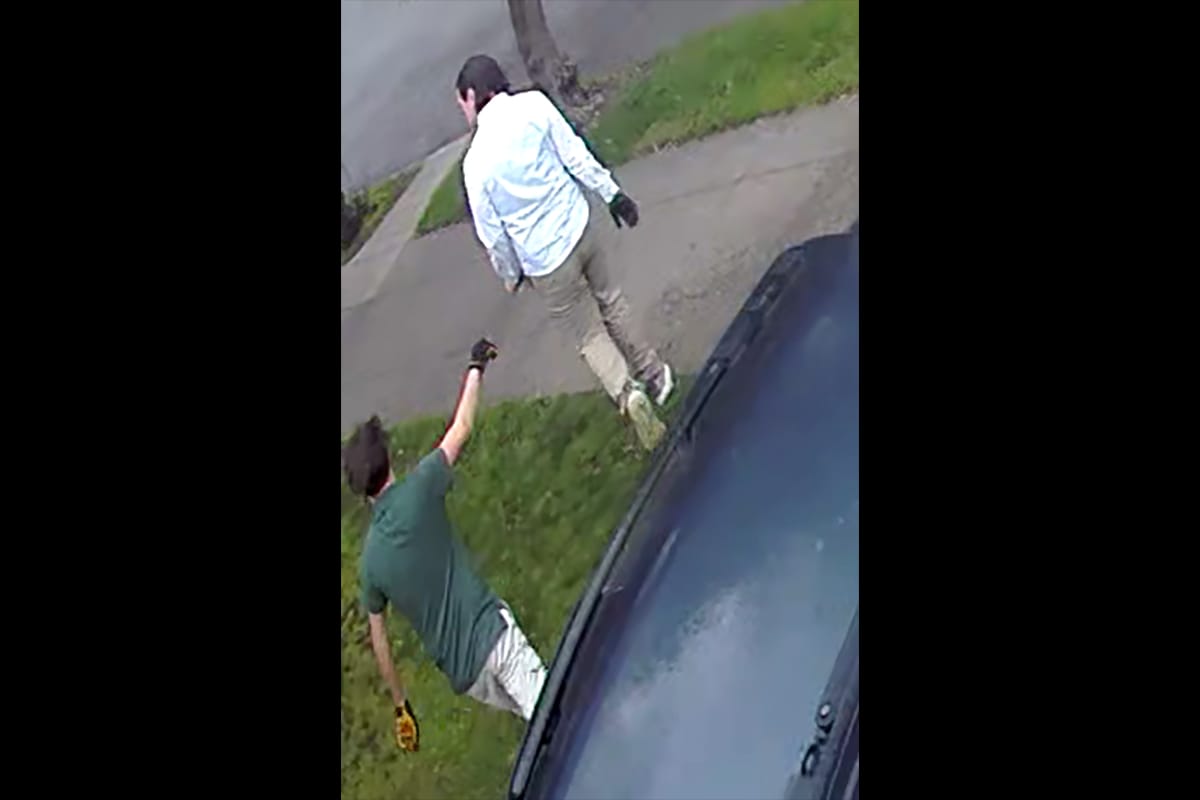
Joan quickly realized that the men had taken some of her financial paperwork along with $600 in cash.
There were never any raccoons — but they did leave a hole in her roof. (She's already had it fixed.)
In the days since, Joan said she's thought back to their agility and their easy banter, riffing about the raccoons and even their babies; and how the men had effortlessly kept up the charade.
"Someone always had my attention so they could go about their criminality," she said.
"It was like theater," she continued. The men were "very, very practiced" and very smooth. "They even created a part for me — and I played it."
After discovering the crime, Joan called her sister who called Berkeley police and made a long report.
"All the time, I'm shaking like a leaf and feeling like: Am I gonna survive this?" she said. "I just hope they haven't ruined my life."
Joan has since taken every step possible to turn on fraud alerts, advising her financial institutions to watch for identity theft and other suspicious activity.
So far, nothing has popped up.
 Emilie Raguso
The day of the crime, a neighbor alerted TBS to what had happened. TBS asked Joan to share her story.
She agreed on condition of anonymity, a particular concern given the invasive nature of the crime against her.
Fundamentally, she said, she didn't want others to fall for the same scam.
"I did nothing but shake for two days," she said. "It finally came to me: My trust had been violated."
"They won't come back," she added. "There's nothing else here and they know it."
As of Friday, the case remains under investigation.
"Resist the pressure to act quickly," the FBI writes. "Scammers create a sense of urgency to produce fear and lure victims into immediate action."
Other resources
According to the FBI, "millions of elderly Americans fall victim to some type of financial fraud or confidence scheme" each year, "including romance, lottery, and sweepstakes scams — just to name a few."
"Seniors are often targeted because they tend to be trusting and polite," the FBI writes. "They also usually have financial savings, own a home, and have good credit — all of which make them attractive to scammers."
Tips to stay safe include recognizing scam attempts and ending all communication with the perpetrator; never giving personal information or valuables to "unverified people or businesses"; and creating a shared verbal family password or phrase that no one else knows.
"Resist the pressure to act quickly," the FBI writes. "Scammers create a sense of urgency to produce fear and lure victims into immediate action."
Learn more about fraud alerts and credit freezes, and what to do if your personal information has been compromised.