He said her daughter had been in a car crash. It was a scam.
The stranger told the 91-year-old woman "not to tell anyone else about their phone call" — a red flag, Berkeley police said.

Police are investigating a scammer who targeted an elderly Berkeley woman last month by claiming her daughter needed money to get out of jail.
The case began in December when the 91-year-old woman got a call from a stranger who said her daughter was in jail after hurting someone in a car wreck.
In the background, the woman "could hear someone … pretending to be her daughter," Berkeley police wrote in court papers.
The man said the younger woman needed $15,000 in bail money to be released.
He told the older woman "not to tell anyone else about their phone call" — a red flag — police said.
The woman tried to call her daughter to confirm the story, but the call would not go through.
"She became concerned and decided to get the money out from her bank," police wrote.
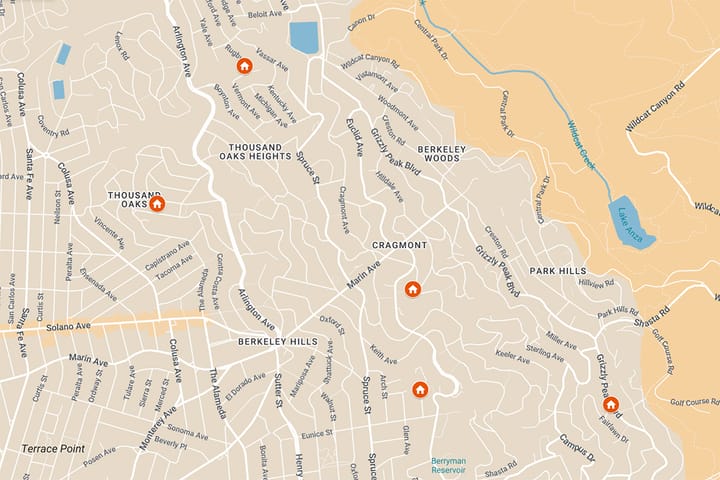
When she went to her bank on Solano Avenue, the teller would only let her withdraw $5,000.
She took the money home and waited for instructions, and was ultimately told to give the cash to a man who would come to her house.
When a Black man in his 40s pulled up outside in a white Toyota sedan, she handed over the money.
Eventually, she was able to reach her daughter — and realized it had all been a scam.
For now, no arrests have been made and the case remains under investigation.
According to the FBI, "millions of elderly Americans fall victim to some type of financial fraud or confidence scheme" each year, "including romance, lottery, and sweepstakes scams — just to name a few."
"Seniors are often targeted because they tend to be trusting and polite," the FBI writes. "They also usually have financial savings, own a home, and have good credit — all of which make them attractive to scammers."
Tips to stay safe include recognizing scam attempts and ending all communication with the perpetrator; never giving personal information or valuables to "unverified people or businesses"; and creating a shared verbal family password or phrase that no one else knows.
"Resist the pressure to act quickly," the FBI writes. "Scammers create a sense of urgency to produce fear and lure victims into immediate action."