Deadly bacteria outbreak at Berkeley homeless camp
"Cleanup will take at least 30 days" because that's how long leptospirosis can live in soil, the city said, calling it an "urgent public health concern."
Berkeley officials are warning the public about leptospirosis, a bacterial disease that can be fatal in dogs and humans, after animals in the Harrison Street corridor tested positive in recent months.
"Numerous rats" and at least two dogs in the area — the site of a longstanding homeless encampment linked to an ongoing court battle — have already tested positive for the disease, the city says.
"The absence of confirmed human cases is reassuring but does not remove the risk of undiagnosed cases or future cases," the city's public health officer said in a Jan. 6 court filing.
Leptospirosis, also called 'lepto," spreads through contact with infected water and mud, according to a city public health alert issued Monday. Rats and their urine are vectors for the disease.

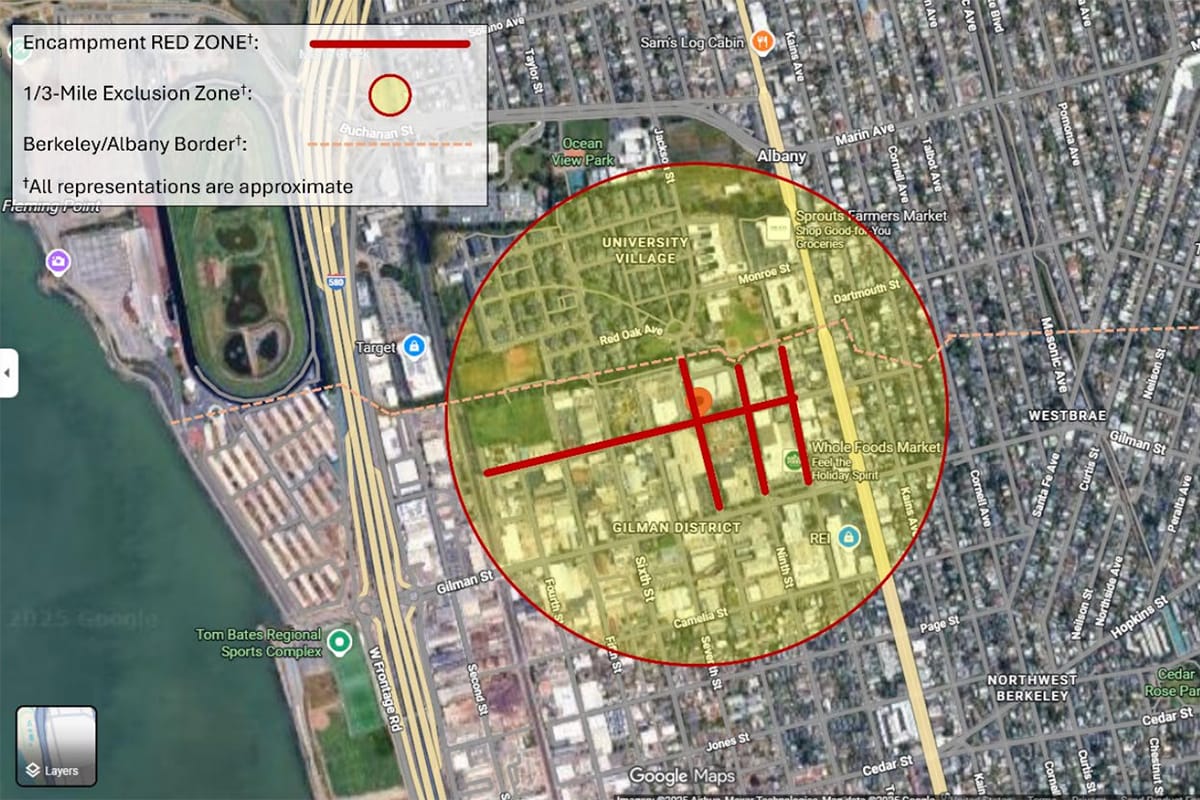
As a result of the positive tests, the city has "strongly" urged encampment residents to move at least one-third of a mile away from a "red zone" where leptospirosis has been found.
"This 1/3 mile safety buffer will be a focus of prevention activities to block the further spread," the city wrote, urging "immediate departure" from the zone. "Any items removed from encampments and exposed to mud and standing water should be disinfected."
According to the city, the unsafe area is bounded by San Pablo Avenue, Gilman Street, Codornices Creek and the railroad tracks in northwest Berkeley.
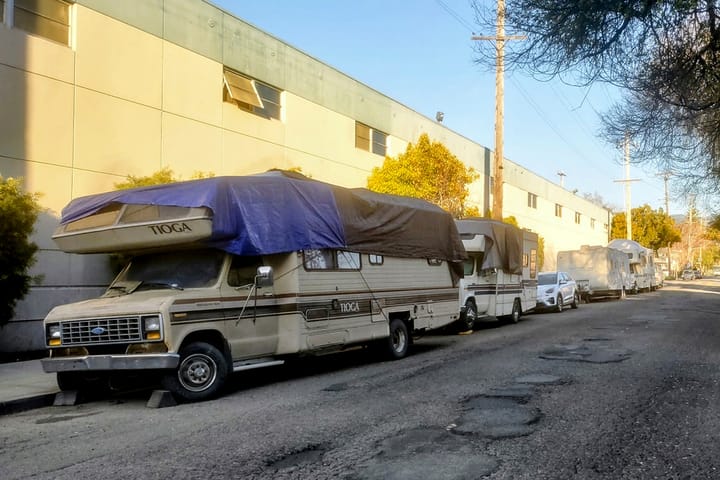
"Current Harrison Street encampment conditions (tents, refuse, uncontained food, RVs, standing water) prevent standard vector control teams from accessing and destroying rat nesting sites," the city says. "Rodent eradication, ongoing rat testing for Leptospirosis, and remediation of the area to prevent a growing rat infestation is a medical and public health safety necessity that cannot be successfully completed while the encampment is occupied."
This week, city of Berkeley officials said all community members should avoid touching the water in Codornices Creek and "walking or biking through standing water" in the area.
The city said the creek has not been tested for leptospirosis — while noting that "the presence of Lepto so close to the creek means that there is also a significant risk of the disease spreading to the creek and wildlife if the nearby infected rodent population is not controlled."
On Monday evening, UC Berkeley sent the city's health alert to residents of University Village on the Albany-Berkeley border on the north side of the creek.
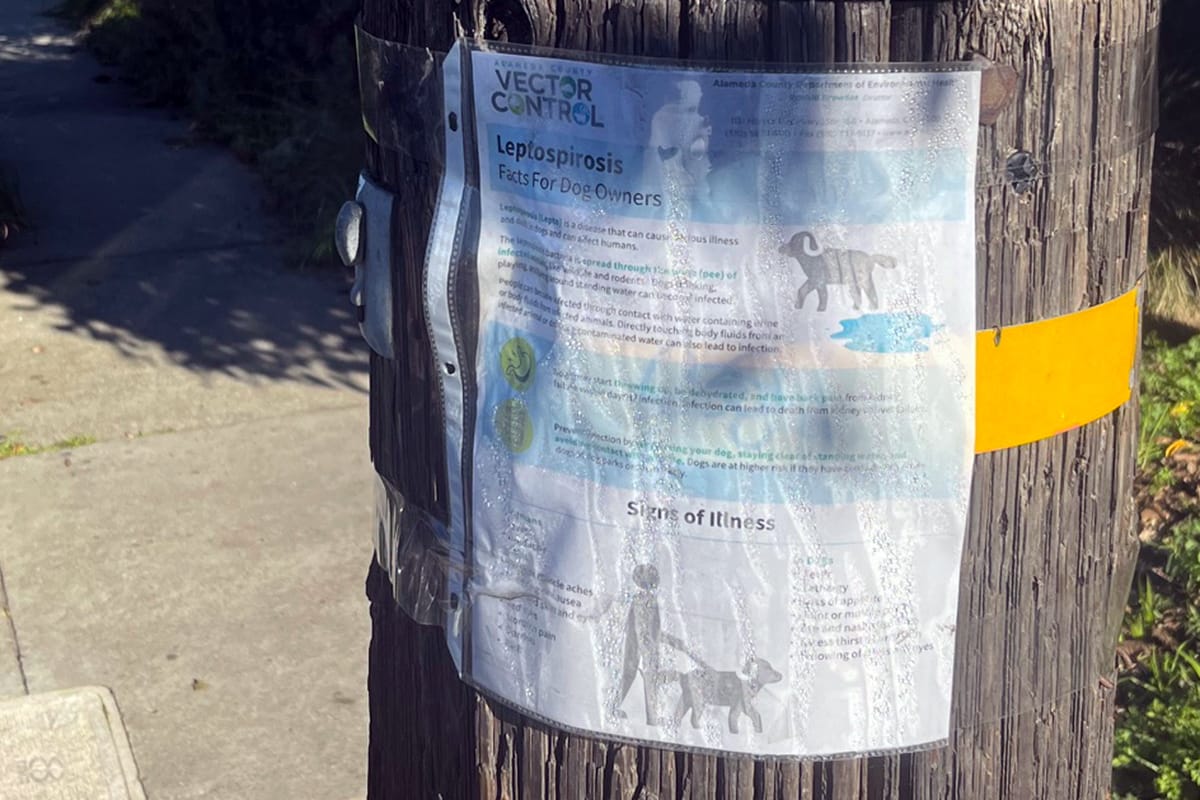
In humans, leptospirosis can cause flu-like symptoms, such as "sudden high fever, throbbing headache, severe calf/leg pain, and red eyes," according to the city. "Without treatment, leptospirosis … can progress to kidney damage, meningitis (inflammation of the membrane around the brain and spinal cord), liver failure, trouble breathing, and even death."
And local doctors may not readily recognize it, since it is "usually associated with tropical conditions."
Animals began testing positive for leptospirosis in November, the city wrote, when veterinarians found it in two sick dogs at the Harrison Street encampment.
In December, Alameda County Vector Control confirmed the disease's presence in neighborhood rats.
"This was of particular concern," the city wrote, because it was the first time the potentially deadly bacteria has been found in the area despite five years of testing.
At least one dog, a 5-month-old puppy, is believed to have died from leptospirosis, although the bacteria's presence was not confirmed by testing.
The city has now launched "an ongoing public health investigation" into lepto's spread in the encampment and nearby.
"Cleanup will take at least 30 days because that is how long Lepto can live in the soil," the city wrote. "Additionally, eradication of rats requires many cycles of baiting the rats with poison in their underground burrows, removing the carcasses and rebaiting over a period of time."
Officials have also posted notices in the neighborhood, with the help of Alameda County Vector Control, to alert residents to the risk.
According to Berkeley's Jan. 12 public health alert, local dog owners should be sure to vaccinate their pets for leptospirosis and owners of "free roaming cats" should consider the same.
"Keep pets on a short leash; bring water on walks, do not allow them to drink from other sources," the city said.
Signs of pet illness may include "excessive thirst, vomiting, shivering, and lethargy and can progress to liver failure if untreated. Lepto can also be fatal to dogs."
Gardeners should also take precautions, particularly if they grow fruit and vegetables: "Wear gloves and protective foot coverings, such as rubber boots. Wash all fruits and vegetables thoroughly before consumption."
Other precautions such as safe food storage and "continuous disposal of garbage" can limit the spread of leptospirosis.
In the Jan. 6 court filing, the city's public health officer said an ongoing federal injunction stopping Berkeley from clearing the Harrison Street camp has blocked the city "from implementing fully effective eradication efforts" in its battle with leptospirosis.
On Tuesday, the judge who issued that injunction last year said the time has come to resolve the matter. Almost.
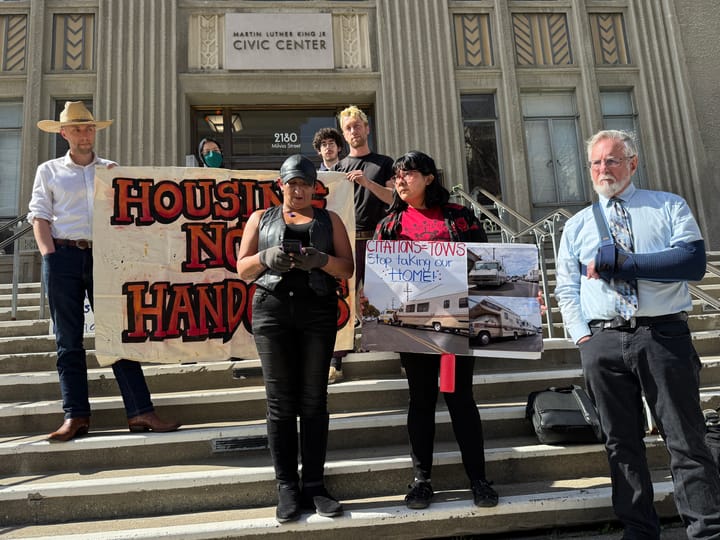
In a brief hearing over Zoom, U.S. District Judge Edward M Chen ordered both parties, the Berkeley Homeless Union and attorneys for the city of Berkeley, to produce a series of briefs in the coming months, culminating in a March 20 hearing where he will rule on what the city must do if it hopes to clear the encampment.
" I need to adjudicate this thing," Chen said. " We can get this thing closed one way or another."