Golden Gate Fields: Who's getting the better deal? Op-ed
“Are we paying for development potential the public may never be permitted to realize?” asks landscape architect Brennan Cox in today's guest essay.
Editor's Note: TBS publishes guest essays from community members on issues of concern. Today's piece was written by Brennan Cox, a Berkeley landscape architect, former city Parks & Waterfront commissioner and founder of Golden Gate Fields Park, a community advocacy initiative.
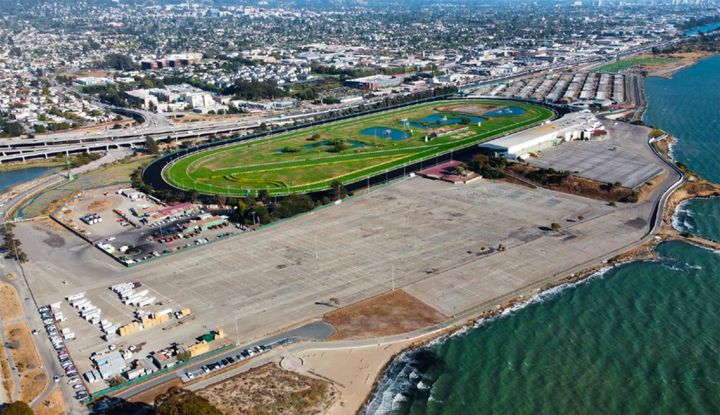
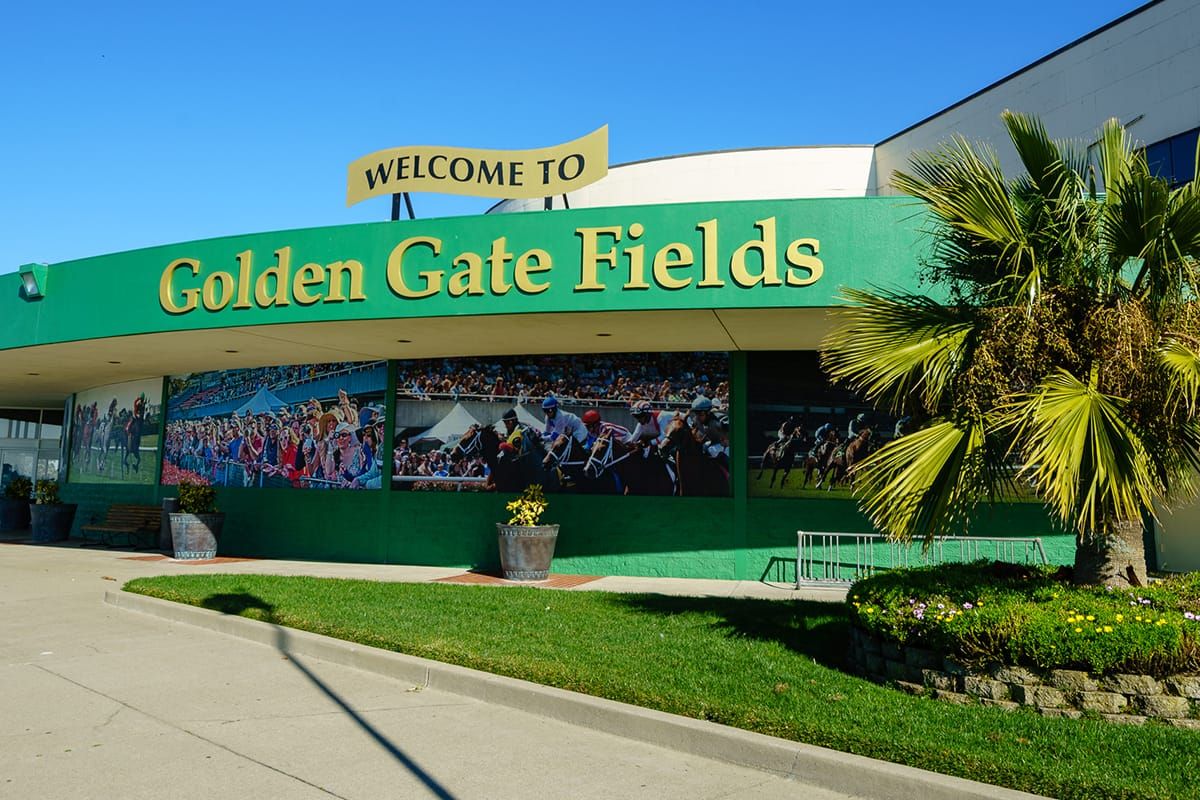
There has been a lot of excitement around the acquisition of Golden Gate Fields, and understandably so. But there hasn't been much scrutiny of the $175 million purchase price, why we're paying so much, or whether the public is actually getting a good deal. The East Bay Regional Park District is being asked to approve the agreement on Oct. 20, and the accompanying board packet raises some substantial questions.
A few things seem particularly worth investigating:
1. Why are we paying $175 million? Golden Gate Fields is described as 162 acres, but 32 acres are submerged. That puts the acquisition at approximately $1.35 million per acre of land above water. By comparison, EBRPD recently purchased 82 acres at Point Molate for $40 million, or about $488,000 per acre. The recently negotiated sale of the Oakland Coliseum property also raises interesting questions about how we value large urban sites with redevelopment potential. These aren't identical properties, but what assumptions went into the Golden Gate Fields appraisal, and are we paying for development potential the public may never be permitted to realize?
2. Will the funding restrictions override years of public planning? Albany has already undertaken an extensive public process for its waterfront that contemplated some level of commercial and recreational development alongside public open space. Now, $125 million in Proposition 4 funding is being provided through agencies focused on coastal resilience, habitat conservation, and outdoor recreation. The board packet states that restrictions associated with these grants will be recorded against the property at closing, but doesn't explain what those restrictions actually are.
Could these restrictions effectively eliminate possibilities that Albany's previous public planning process contemplated? Restaurants, recreation facilities, hospitality, events, and other revenue-generating uses could play an important role in creating and sustaining a great public park. We're being promised another public planning process after acquisition, but how much flexibility will the public actually have if major land-use decisions have already been made through the funding agreements?
3. Why demolish before investigating reuse? The agreement calls for the seller to demolish the above-ground structures, including the grandstand, while leaving the pavement and potentially substantial foundations and footings. We could end up in an unfortunate middle: losing the opportunity to creatively reuse existing structures without actually receiving a cleared site. Why not investigate what could be reused before making that irreversible decision?
4. Why is environmental testing happening after acquisition? The board packet states that the seller will not permit environmental testing during due diligence. Instead, EBRPD will receive $8.25 million and pollution liability insurance, with environmental investigation occurring after acquisition. Historic-resource studies are also deferred. What risks and future costs are taxpayers inheriting, and how were those risks factored into the purchase price?
I'm a landscape architect who has spent much of my career working on public parks and waterfronts, and I've been studying Golden Gate Fields closely over the past several months. I strongly support the opportunity to create a great public park here. But acquiring the property is not the same thing as creating that park, and I'm concerned that the terms of this acquisition may unnecessarily limit what we can ultimately accomplish.
There's also a larger question worth asking. At a time when we're debating whether billionaires are paying their fair share, are we negotiating a sweetheart deal for the billionaire family that owns Golden Gate Fields? We're paying $175 million, taking on significant environmental uncertainty, and allowing the seller to demolish the structures while leaving much of the underlying infrastructure for the public to deal with. Who is getting the better end of this transaction?
Brennan Cox is a Berkeley-based landscape architect and founding partner of Groundworks Office, a landscape architecture practice headquartered in Berkeley. His professional work focuses on designing public spaces, urban landscapes, and ecologically resilient environments. He is a former commissioner on the city of Berkeley's Parks & Waterfront Commission and has taught landscape architecture at UC Davis.
Brennan founded Golden Gate Fields Park to elevate the public conversation about the quality and future of the East Bay waterfront. The organization advocates for a more active, accessible, and inspiring waterfront that brings together recreation, ecological restoration, cultural activity, and community life.
The Scanner will periodically publish guest essays from community members on issues of interest or concern. Submit your ideas to TBS.