Want housing at Golden Gate Fields? It's time to act: Op-ed
"Development should be on the table as the future of this once-in-a-generation site unfolds," says Andrew Fisher in today's guest essay.
Editor's Note: TBS publishes guest essays from community members on issues of concern. Today's piece was written by Andrew Fisher, a Berkeley resident and consultant focused on climate change.
Like many others, I spend a lot of time at the waterfront dreaming of what could happen with Golden Gate Fields.
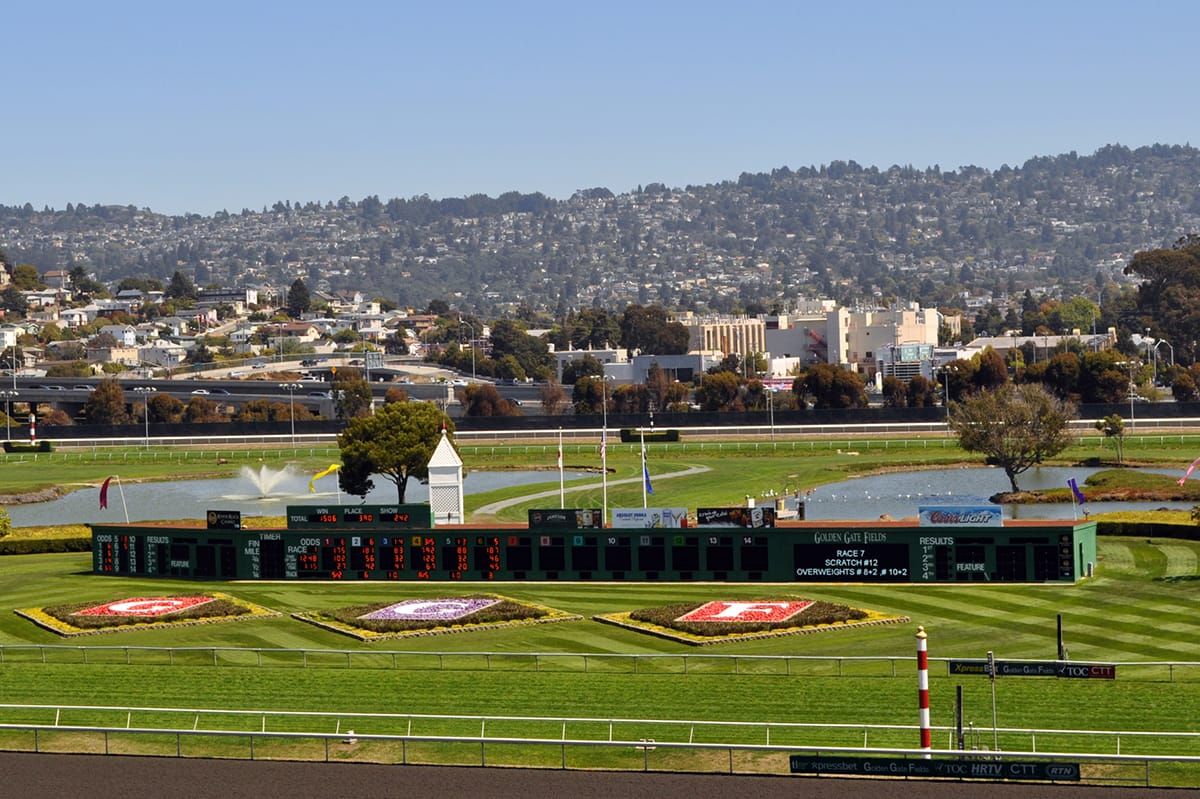
Trust for Public Land (TPL) currently has an option to buy the land for $175 million and the proposed California 2026-27 Spending Plan allocates $125 million, sourced from the Climate Bond, toward the purchase.
At this very beginning stage, before the state's June 15 budget deadline, I urge you to join me in encouraging Sen. Jesse Arreguin, Assemblymember Buffy Wicks, Gov. Gavin Newsom, East Bay Regional Park District and TPL to leave the door open to the myriad futures this spectacular parcel could have.
Unfortunately, as exciting as the Sacramento funding discussions are, by relying on the Climate Bond, its destiny is perhaps unwittingly being constrained.
A more flexible source, like the General Fund, for at least some of the money, would reserve Climate Bond funds for numerous other projects in need of them, while giving the East Bay community greater freedom to shape Golden Gate Fields' future.
Since the racetrack closed, public discourse has focused on turning all 161 acres into a park. But is that really its best future?
There are currently hundreds of acres of open space between Point Isabel and the Bay Bridge, in an area with a severe housing shortage, but no shortage of neighborhoods that resist new housing.
I propose setting aside, say, a quarter of the parcel — the 25% closest to the freeway — for a new housing community. Development should be on the table as the future of this once-in-a-generation site unfolds.
If some housing is desired, this new neighborhood straddling the Berkeley/Albany border could be designed to be car-free or car-lite, along the lines of Culdesac Tempe, a wildly successful, walkable, human-scale development in Arizona, recently profiled by the New York Times and The Daily Show.
Imagine two- and three-story buildings close together, with winding, plant-laden paths. Imagine walkable open spaces for gathering near small, locally-owned shops and cafes.
This new community center could host markets, cultural events and educational programming. There could be a preschool, spaces for local organizations and a free shuttle to nearby areas. The list of options is countless and more would emerge with community input.
A thoughtfully-designed community alongside the new park could create magical places to spend time, draw far more people to the park and the area, and generate jobs, businesses and tax revenue for Albany, Berkeley and Alameda County.
This could dwarf the racetrack revenue these communities have lost, helping, among other things, local school districts. Moreover, development could help fund park construction while the annual revenue from this new neighborhood could fund ongoing operations.
With the ink not yet dry on TPL’s $175 million option, we can all agree that it is much too early to lock in a plan for this unparalleled site.
Yet that is exactly what will happen if the legislature funds the purchase with the Climate Bond. As proposed, Golden Gate Fields could only be used as a "park and recreational hub."
While the current zoning restrictions could be changed with public support, this new funding restriction would permanently prevent development, even climate-friendly, sea-level-conscious development, that could thrive there, a short bike ride from the future Berkeley ferry and Bay Bridge bike path, San Pablo Avenue shopping and even Costco.
 Emilie Raguso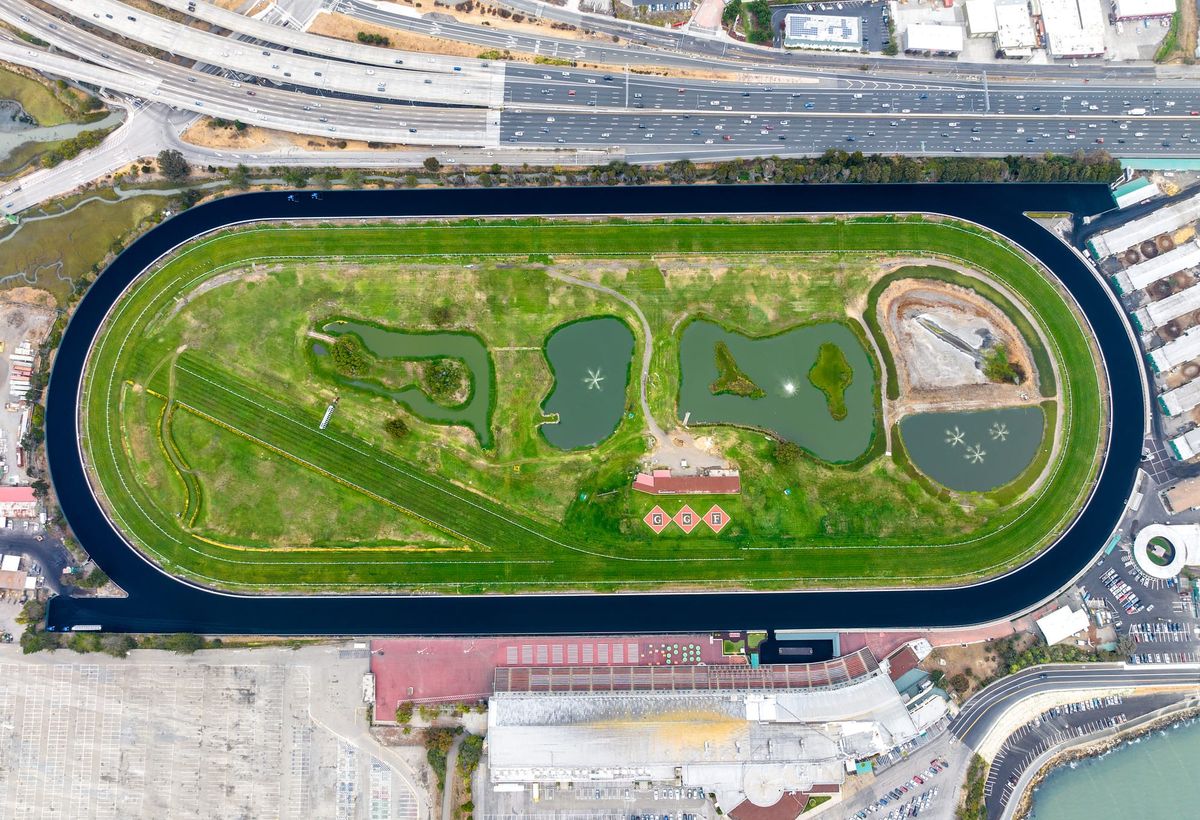
The time is now to ensure the purchase does not foreclose the option to make the park more viable by potentially incorporating suitable, community-supported desperately-needed development at Golden Gate Fields.
But the clock is ticking. Changes to the Spending Plan must be done before the June 15 budget deadline. For now, help keep our options open by asking your elected officials to advocate for state funding to allow discretionary uses at Golden Gate Fields.
Andrew Fisher is a self-employed consultant and full-time Berkeley resident who, in light of climate change, imagines his daughters asking him one day, "What did you do, Daddy?" He is working on the answer and this is part of it.
The Scanner will periodically publish guest essays from community members on issues of interest or concern. Authors who are not already TBS members will receive a complimentary membership in return. Submit your ideas to TBS.