Man who bred rats dies after catching leptospirosis, city says
A woman who lived with him got sick but recovered. The city said they were the first human cases of lepto in more than a decade.
A man with leptospirosis died in Berkeley in May after living in a "severely rat-infested RV" not far from the Harrison Street encampment, the city has confirmed.
A woman who lived with him also caught leptospirosis — but has since recovered "after a lengthy hospitalization," the city said Wednesday in a new public health update.
"These are the first human cases of Leptospirosis in Berkeley in more than a decade," the city wrote.
The Scanner began asking officials about the fatality in mid-May after hearing about it from a municipal worker who was not authorized to speak to the media.
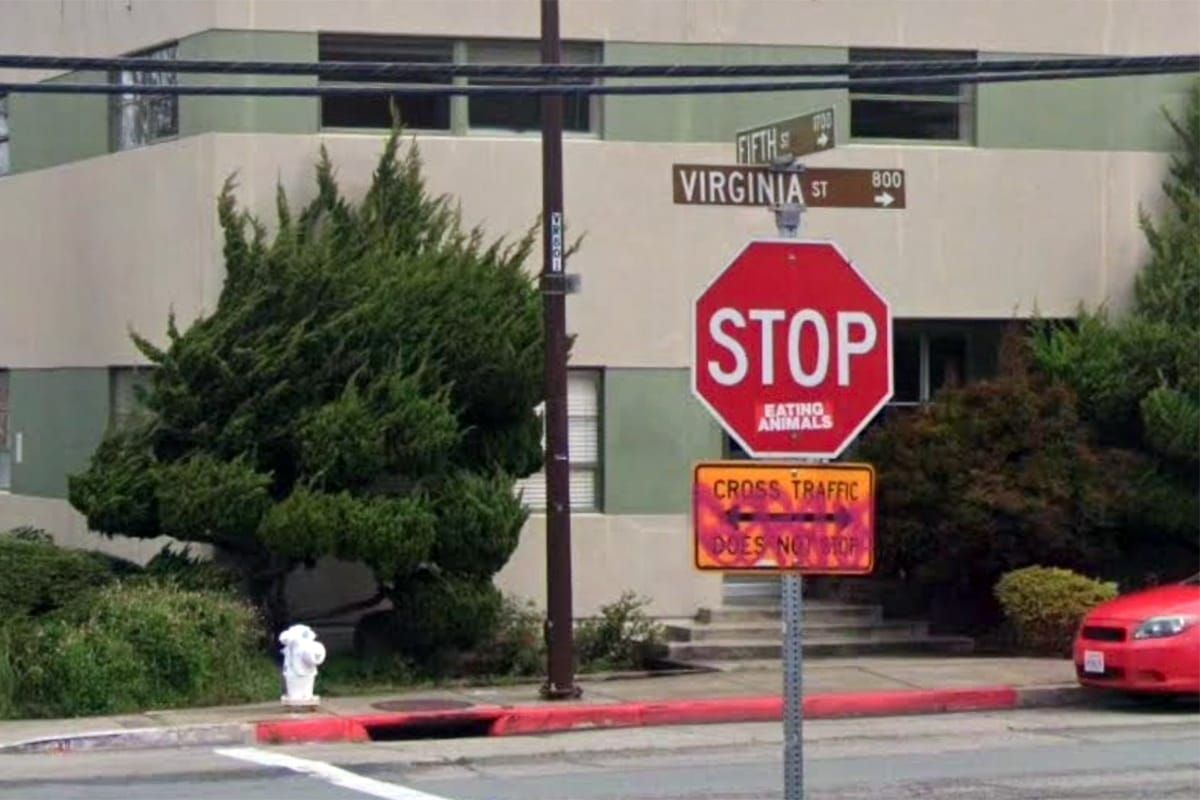
On Wednesday, the city described the man's death as "an extreme situation" and said the couple had been living about 1 mile from the Harrison Street encampment, at Fifth and Virginia streets, when they got sick.
"Both individuals lived together in a recreational vehicle in which they had been trapping, feeding and breeding wild rats," the city said. "In addition, the vehicle was severely infested with wild rats that were not in cages."
The couple "did not seek medical care for weeks and possibly months" after getting sick, the city wrote.
Berkeley police were initially dispatched to their RV on May 5 at 10:45 p.m. to help the Berkeley Fire Department with a medical call, the city told The Scanner.
When first responders arrived, the couple, a man and woman in their 70s, said they had at least 100 rats living inside the RV.
"The couple said they did not know how to address the situation," the city said this week.
BFD took the couple to the hospital and police submitted a report to Alameda County Adult Protective Services.
City workers and Alameda County Vector Control then put rodent traps in and around the RV.
They "kept the vehicle sealed, opening it only for vector control to remove traps with dead rats. After repeating this process over several days to ensure that no more rats were inside, the vehicle was towed and destroyed," the city said.
In the end, nearly 200 rats were removed from the RV before it was destroyed, the city said.
In its update Wednesday, which the city manager sent to Berkeley City Council members, the city said the couple had "delayed access to medical care which is thought to have contributed to the severity of their disease."
The most common way for leptospirosis to spread is through rat urine in standing water. Those who live in "close proximity to rats" are the most at risk.
"These human cases highlight the potentially serious health risk to humans living in environments with rat infestations," the city wrote. "For the general public and the vast majority of Berkeley residents and business owners, the risk of contracting leptospirosis remains extremely low."
In addition to the two human cases, the city said two dogs had also tested positive for leptospirosis, or "lepto," since November.
 Emilie Raguso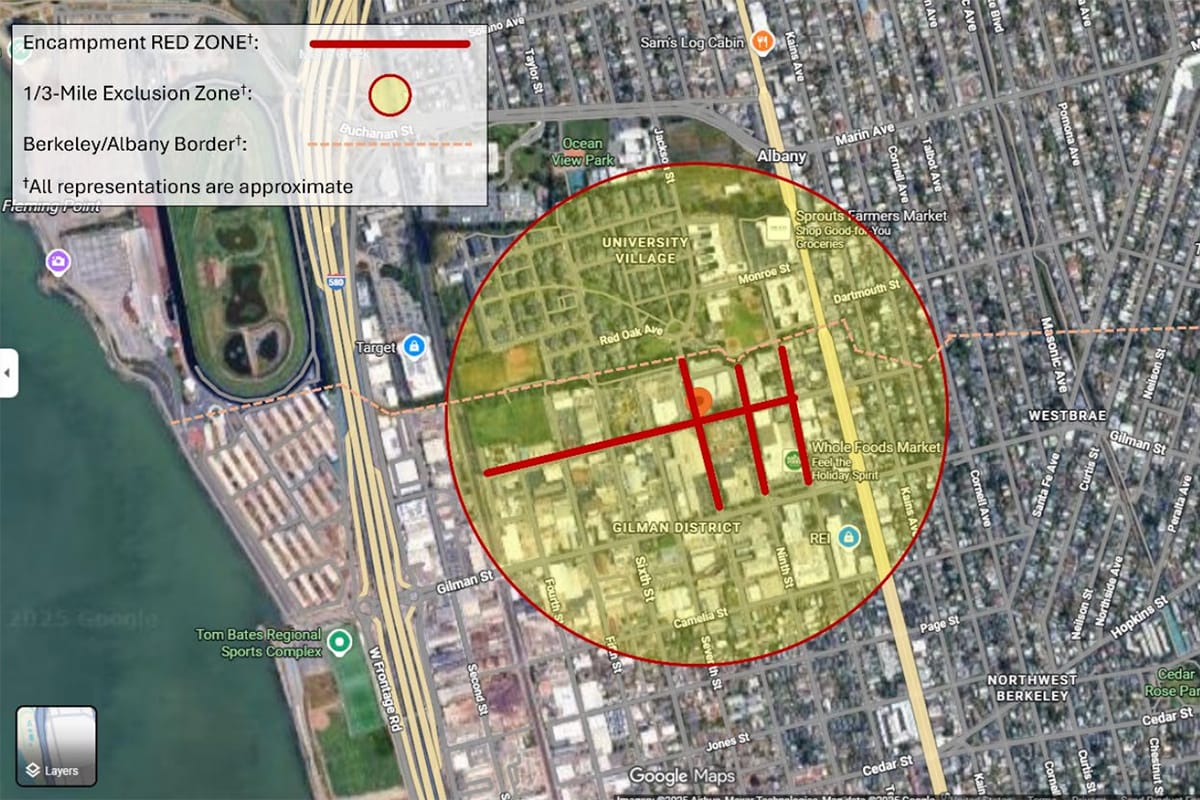
Leptospirosis in Berkeley: The background
In January, after dogs and rats in the Harrison Street corridor tested positive for leptospirosis, the city began warning the public about it.
The bacterial disease can be fatal in dogs and humans.
"Cases among people are extremely rare," the city emphasized this week.
After the positive tests, the city set up a buffer zone — bounded by San Pablo Avenue, Gilman Street, Codornices Creek and the railroad tracks in northwest Berkeley — and urged homeless individuals to move outside the zone to allow for effective "rodent eradication."
They also told people to avoid touching Codornices Creek and "walking or biking through standing water" in the area.
In humans, leptospirosis can cause flu-like symptoms — but many people "have no symptoms," the city said this week.
And many doctors may not recognize the disease locally because it is so rare.
This week, the city issued an update to its January announcement along with "technical guidance" for medical providers.
In addition, the city wrote, "Outreach teams will disseminate flyers to all unhoused and vehicle-resident individuals within a 1.5-mile radius of the Harrison Street corridor to provide additional information on leptospirosis and the actions they can take to keep themselves safe."
The city said it is now retiring the buffer zone guidance and instead focusing on "enhanced sanitation, vector suppression, and targeted outreach" to those living in "close proximity to rats, wherever they are located."
The couple in the RV lived outside the buffer zone when they got sick, the city noted.
The Scanner added the background section to this story just after publication. Stay tuned for additional updates.