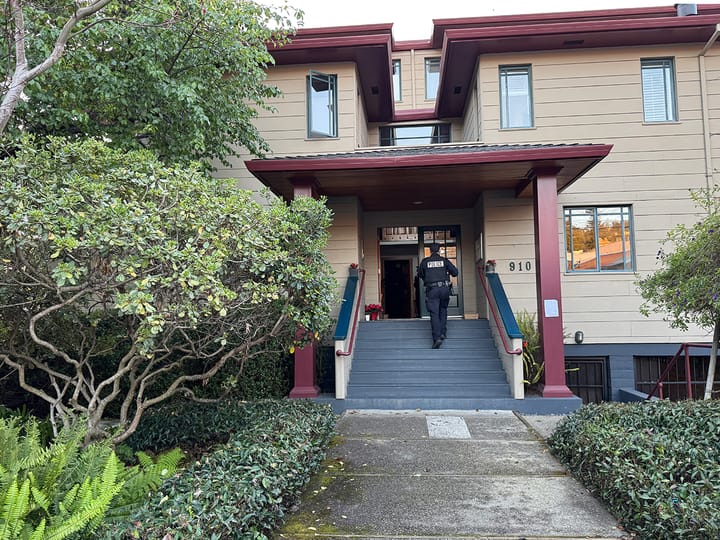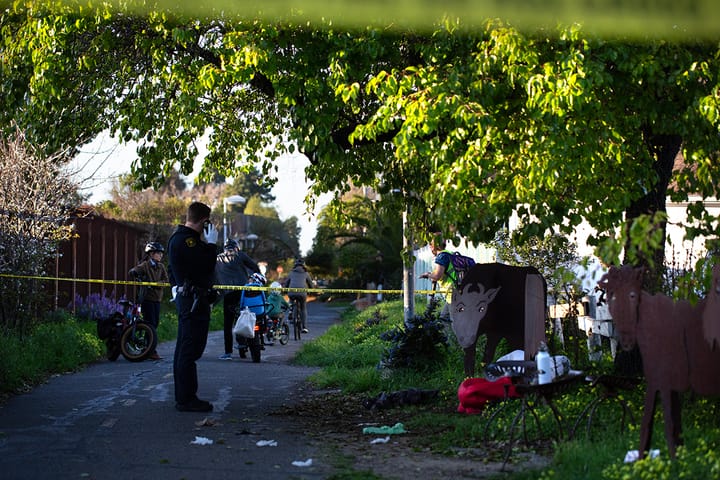
Mary Bruns died in a Berkeley fire. Who was she?
Despite the scant initial information, a picture of Mary Bruns has emerged from conversations with relatives and neighbors, and public data.
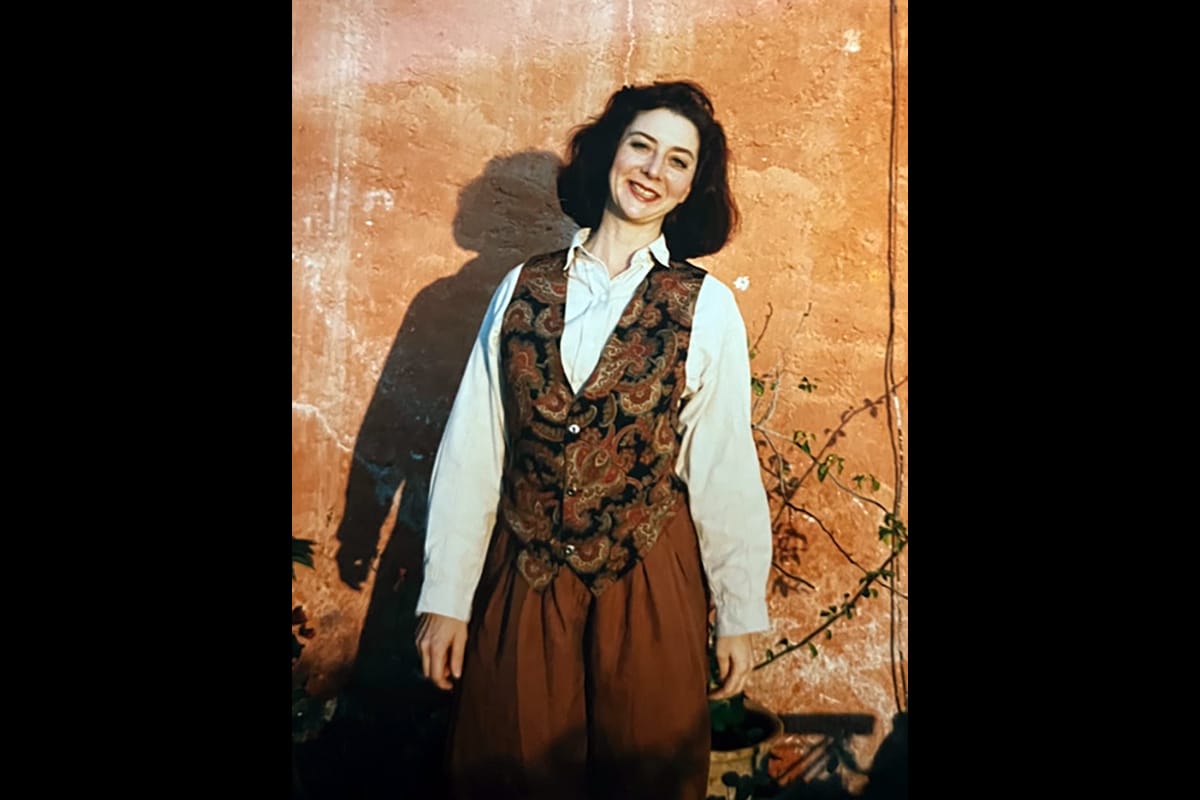
When Mary Ellen Bruns was carried by firefighters from her smoldering house in early February, and soon declared dead, neighbors on the short dead-end Poe Street in central Berkeley were shocked, saddened, but not completely surprised.
Bruns, 74, was a bit of a mystery woman, neighbors said, someone they knew but didn't really know. Clearly, she'd been struggling for a while, they said, mentally and physically, and didn't appear close to family or friends. A loner.
They did what they could to help: with food, rides, even banking. And, as Bruns declined — her power was out for months before she died — they called the city and Alameda County asking for help.
Neighbors had no idea whom to inform about her death, except for each other.
"Over the past few years, she's just had a downturn," said Bertha Addison, 85, who lived across the street from Bruns, and was on the frontline of helping her — cashing social security checks, heating food, loaning the phone.
Addison's adult kids pitched in to help as well.
Both smokers, Bruns and Addison bonded over outdoor cigarette breaks, especially during the pandemic.
"She wasn’t a bad person. I think she just let everything go," Addison said. "She was needy. She had nobody. I made her life a little bit easier. It was just a human kindness."
A lover of art, books, movies and nice clothes
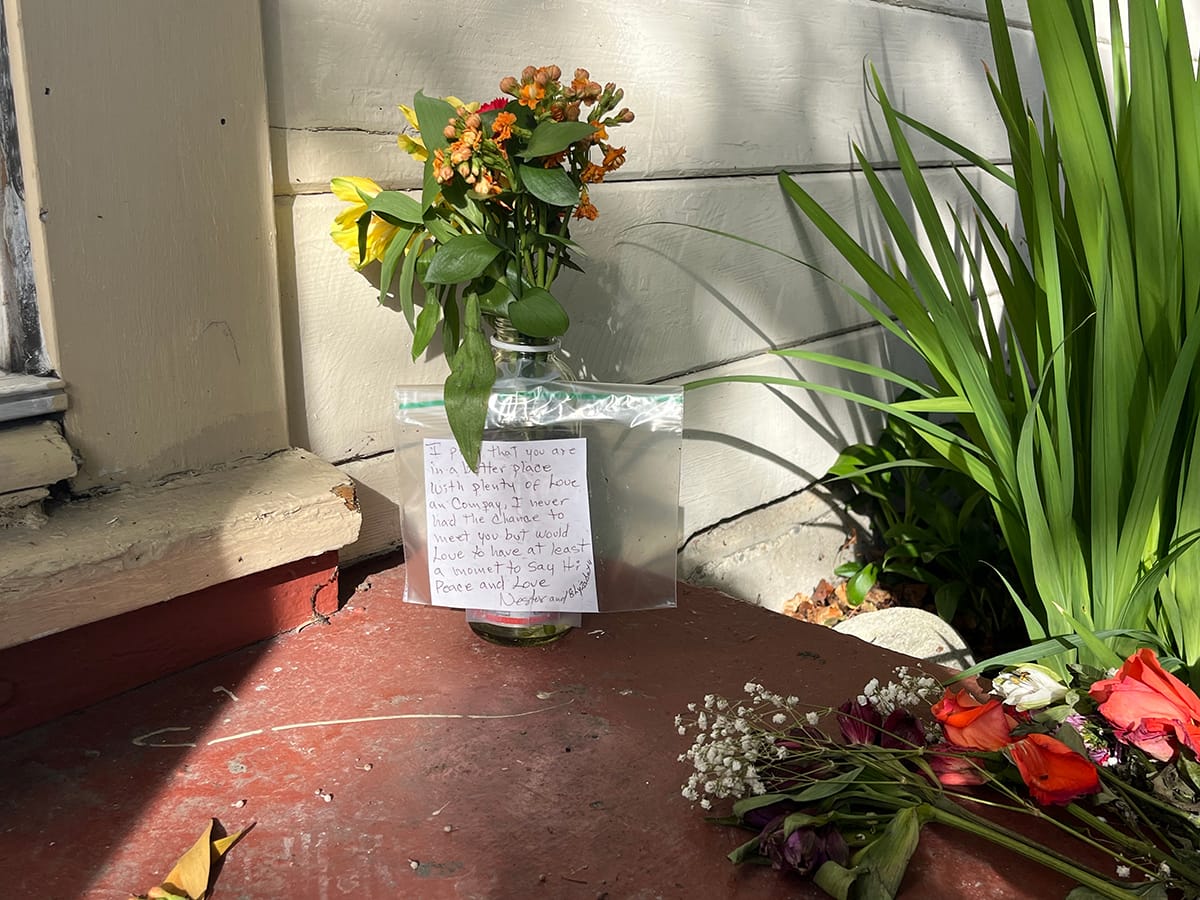
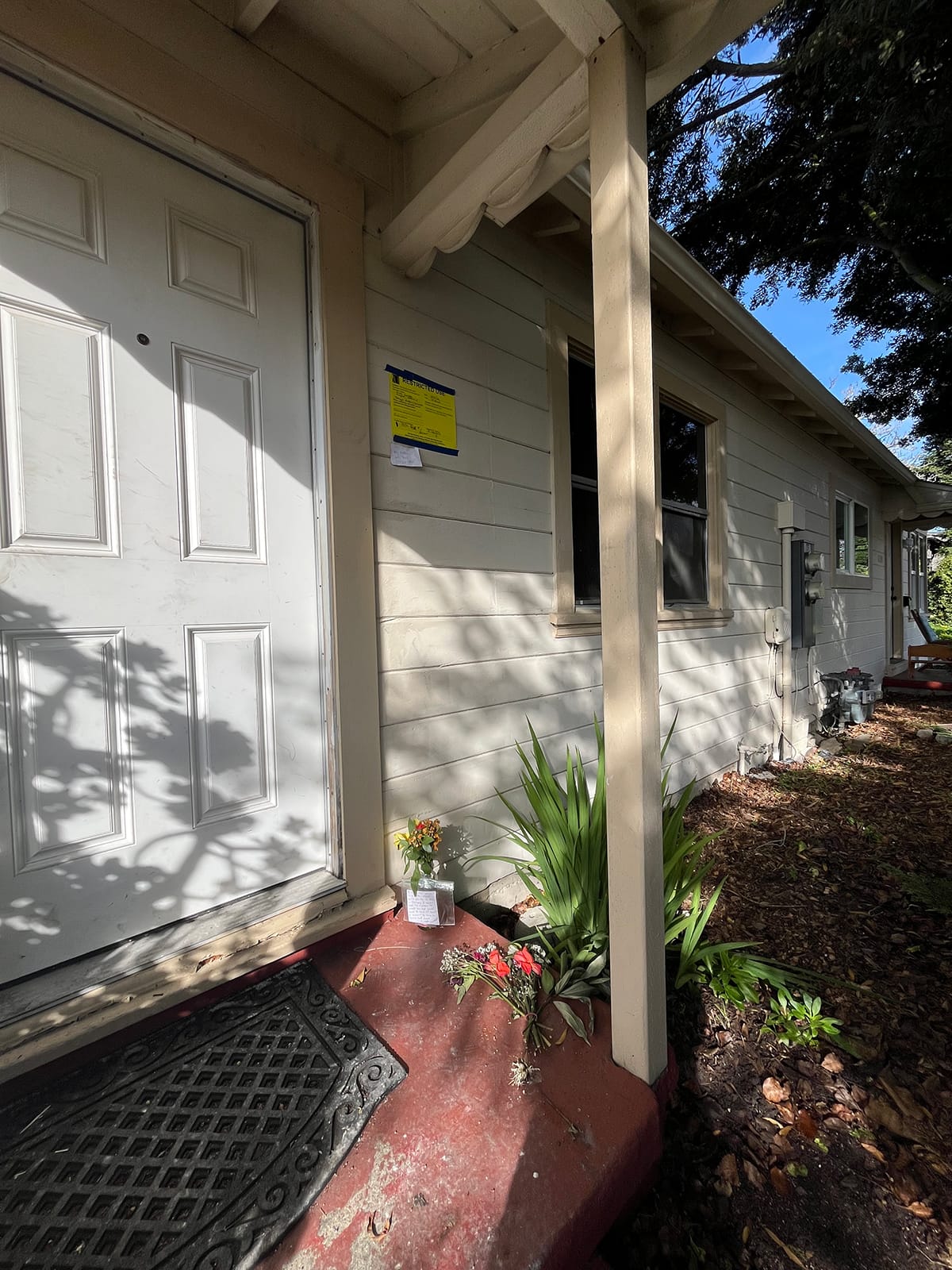
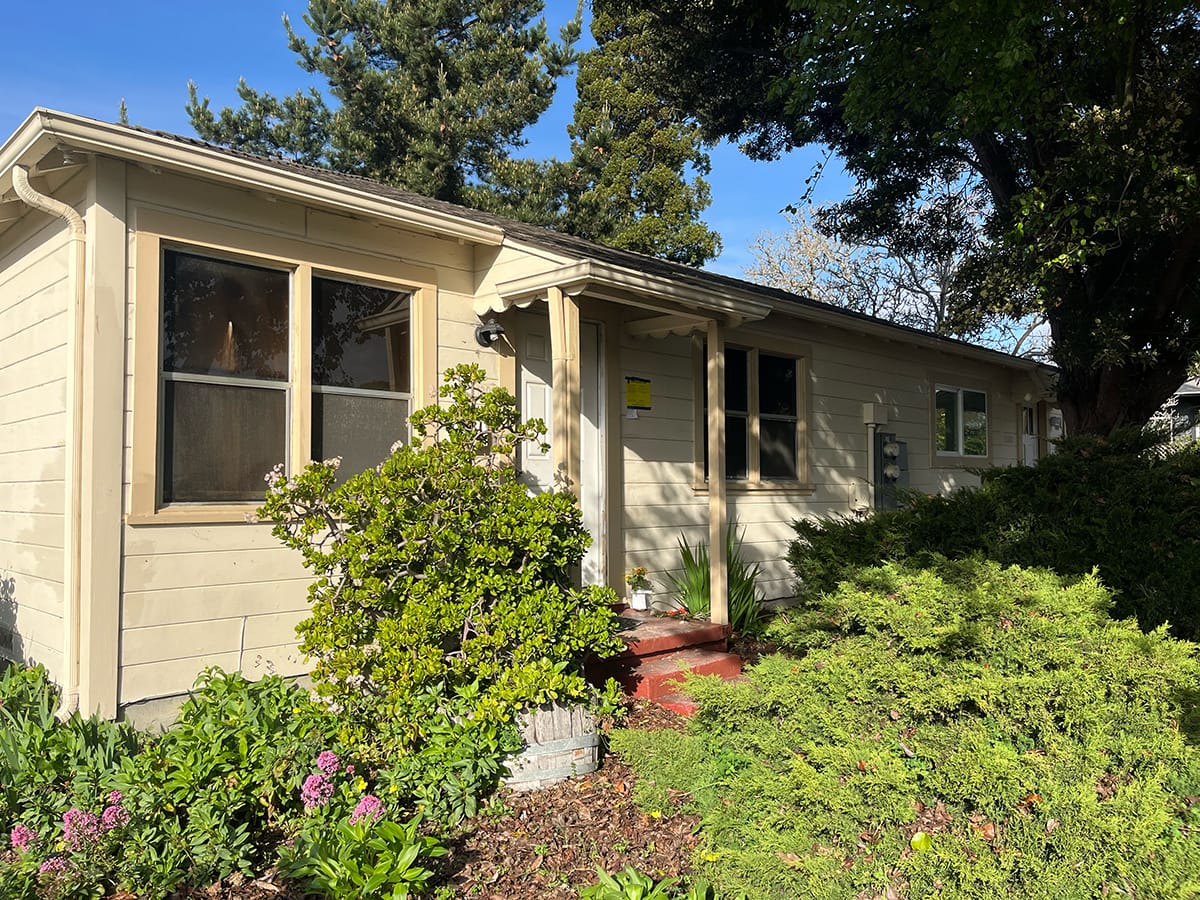
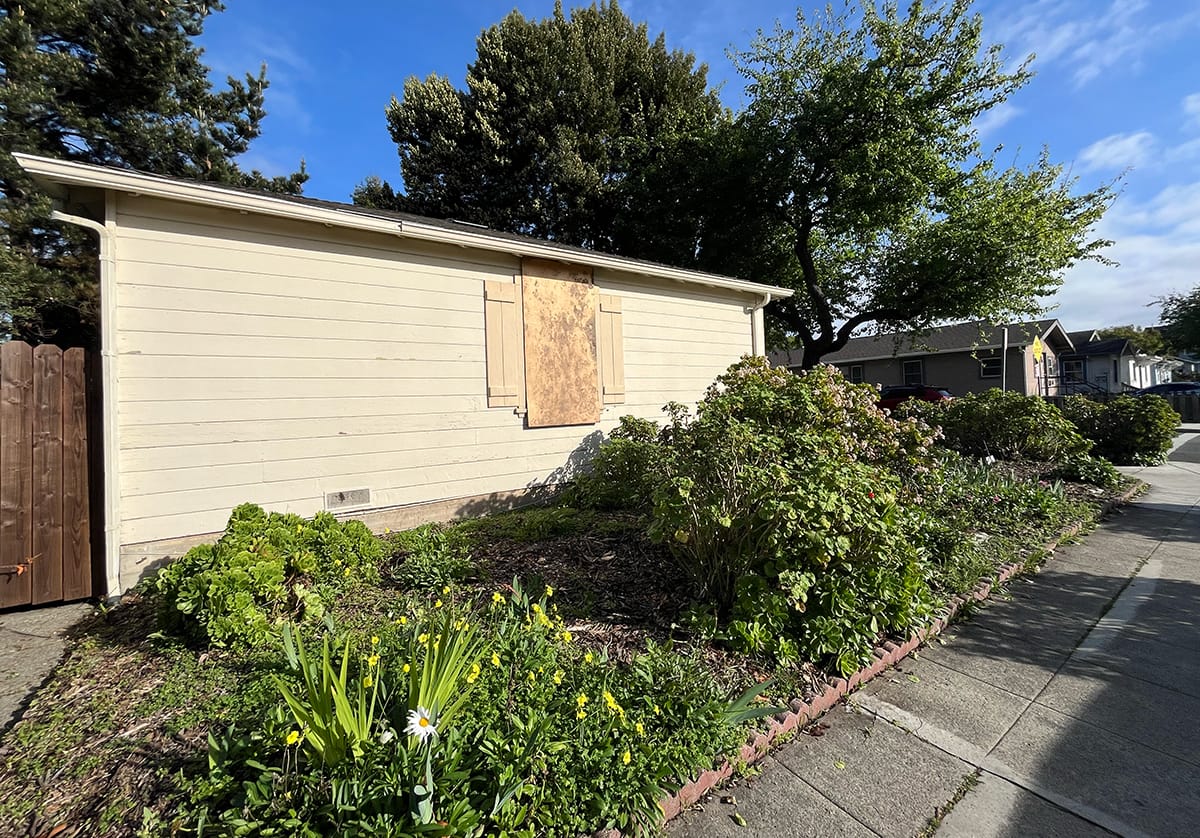
Mary Bruns' duplex on Poe Street. Kate Rauch
Despite the scant initial information, a picture of Mary Bruns, called "Mary Ellen" by her family, is emerging from conversations with relatives and neighbors, and public data.
She was, by many accounts, a complex woman; an artist, a lover of books, movies and nice clothes, especially thrift store finds, an equestrian in her younger years who showed horses.
She was also often in hardship.
Originally from Des Moines, Iowa, with long stints in New York City and Vermont, Bruns came to California around 20 years ago, when she was in her 50s, perhaps hoping for a change from the money, housing, job and relationship woes marking much of her adult life, said her older sister, Carol Bruns, 83, of New York.
Mary followed an aunt from Detroit, long settled in Oakland.
But stability — once again — proved elusive to her sister, likely hastened by their aunt's Alzheimer's diagnosis and death, Carol said.
News of Mary's death left Carol heavy-hearted and reflective.
They'd had a falling out years earlier, and hadn't been in close contact.
"She was inwards, she wasn't communicative," Carol said.
In many ways, she added, her sister was always a mystery to her too.
"I knew it in my heart, it was Mary"
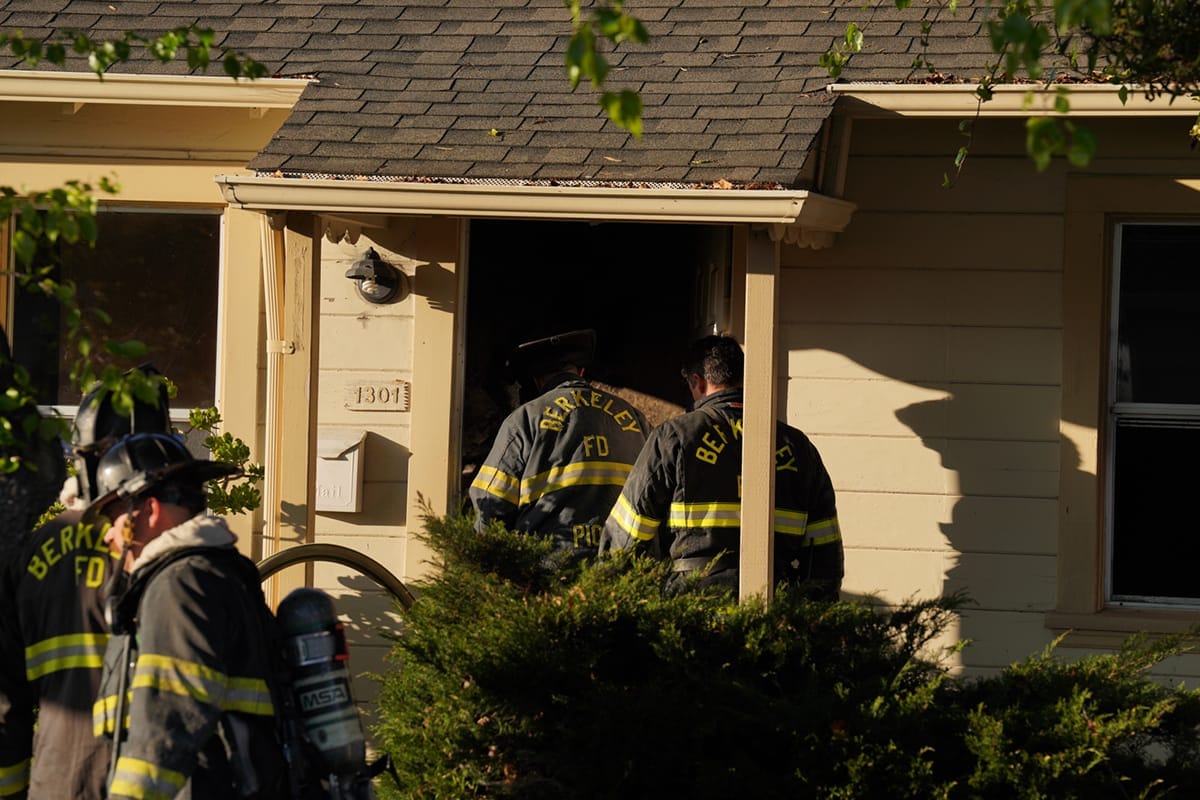
Mary Bruns' cause of death isn't yet determined, according to the Alameda County coroner, pending toxicology reports.
The cause of the fire is still under investigation, but likely will never be known, the Berkeley Fire Department said.
Officials did determine that the fire started in the living room of Bruns' Poe Street duplex. From the outside, the building is mostly intact, with signs of heavy internal damage.
According to neighbors, Bruns had been drinking heavily in recent years, and showing signs of slight dementia or mental confusion. Her apartment was filled with debris — piled papers, junk, garbage.
"I started noticing her getting really thin the last couple of years. She wasn't really talking to anyone," said Tony Esquivel, who lived next door to Bruns' duplex. "She was really on her own."
Esquivel was one of the first at the fire. Pounding on the locked door, screaming Mary's name, yanking off a window screen as fire crews arrived.
There was no reply from inside.
Moments earlier, Esquivel had been asleep. He woke up to the smell of smoke and immediately looked outside.
"I saw it coming over the roof of her house. I just knew, I knew it in my heart, it was Mary," he said, adding that, weeks later, he was still jittery.
Esquivel had done what he could to help her of late, bringing cans of soup to Addison who'd pass them on to Bruns. He was worried about insulting her pride.
Years earlier, he'd given her DVD movies, which she enjoyed.
"She looked forward to them," he said. He knew she'd lived in New York, but not much else about her past.
"She was a classy woman, a classy woman, she'd dress to the nines," he recalled.
Bruns and Addison would sometimes sit in his front yard having a smoke and watching fish in his large koi pond, he said, a kind of neighborhood pastime.
Addison also reflected on better times. She and Bruns occasionally went to the senior center together, she said. Bruns took art and dance classes.
Mere days before the fire, Addison and Esquivel ratcheted up their efforts at getting Bruns' power turned back on, talking to PG&E and the county.
Esquivel said he was ready to write a check — whatever the cost: "Let's do this," they'd said.
"She could have gotten help"
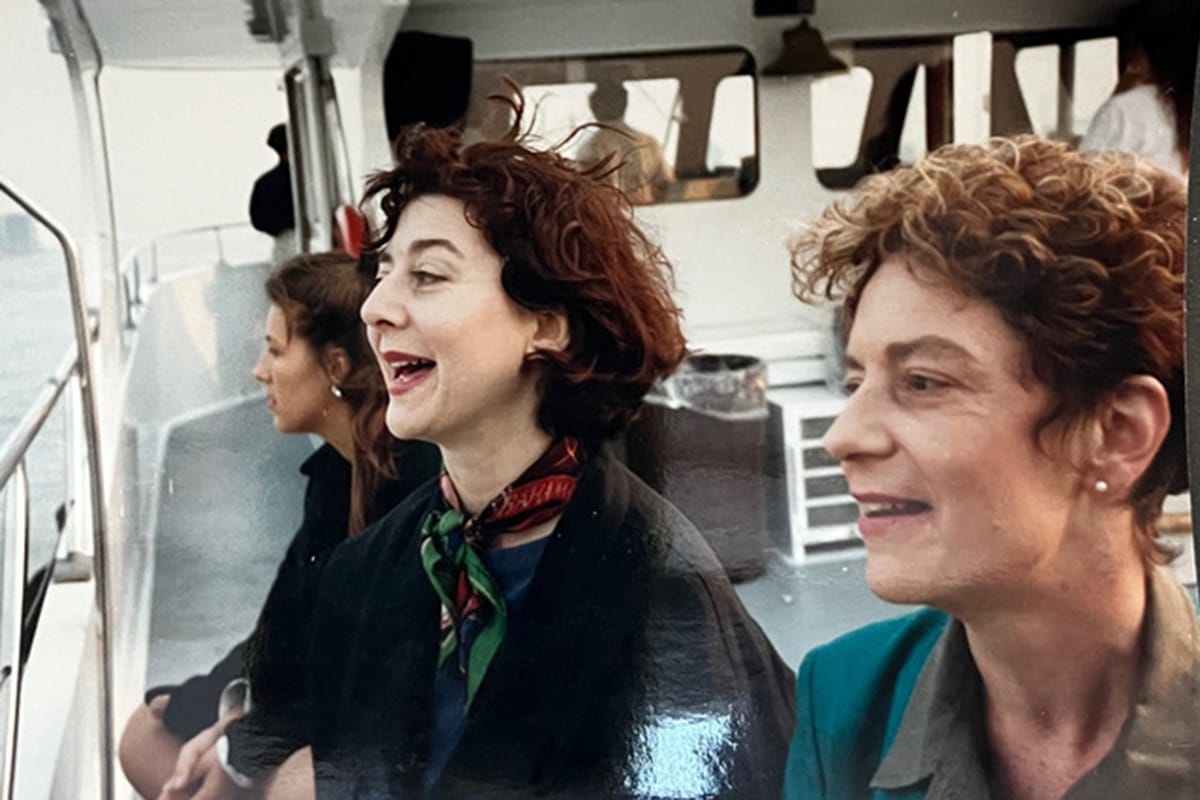
Mary Bruns was the youngest sister of three. The middle sibling, Janice, died in 2010, in Mexico, where she lived.
Mary could be extremely hard to help, Carol Bruns reflected, at least for the family.
"That's part of the tragedy," she said. "She could have gotten help if she'd chosen. She did not want to be helped. She was secretive. She thought people were against her."
At some point, Mary became eligible for social security disability, which helped support her, Carol said. She never knew her sister's diagnosis.
"She moved to Vermont for the social services, and then she got disability. I was in contact with her sort of, and she seemed to be happy, gardening in the community garden and making paintings. I knew she was doing art then," Carol said.
Earlier in life, both sisters had been drawn to New York City, where they shared a love for art — doing it, studying it, looking at it. Mary was a painter and a sculptor.
"She started making art in New York, she lived in a loft," said Carol. "She started strong. She was good."
For periods in New York, Mary would stay with her while getting her footing, Carol said.
She remembers Mary going to AA meetings, a boyfriend, an art show. She also remembers her sister falling into a paralyzing depression.
She described her sister as needing her but pushing her away, which caused tension.
"Thinking about it, she was really hurt, but she didn't want anyone looking at this," Carol said. "Art was really the only thing that engaged her."
In 2005, Mary declared bankruptcy in Burlington, Vermont, according to public records. The lawyer representing her, checking his files, said her employment at that time was as a caregiver for the elderly.
While their upbringing in Des Moines looked rosy from the outside, and there were good times — the family had enough money; all three sisters were equestrians, riding and showing horses; and they all went to college — things on the inside weren't always smooth.
Their father was generous, but an alcoholic, who became tougher to deal with over time, Carol said.
As the youngest sibling, Mary was at home long after her sisters moved out. She wasn't coping well, and during her high school years, went to live with an aunt in Detroit, the same one she followed to Oakland years later.
The hope then, Carol recalled, was that it would be easier for her than being at home. And for a while, this seemed true.
She remembers a time when Mary was about 19, and they went with their mom to Denmark to visit relatives — and got along, a pleasant surprise.
Mary lived in Detroit for a while, and was briefly married at the time, with a fancy wedding in Santa Barbara for the whole family.
"It was beautiful, and she looked happy and he looked happy. But it all unraveled," Carol said.
A few months before Mary died, Carol said she and her daughter had just talked about Mary, wondering if she would take a call.
Mary Bruns "had a kindness to her"
"I think [Mary] was kind of a lost soul," said Kathy Bast, 73, a cousin of the Bruns' girls, who lives on the outskirts of Des Moines.
"When she didn't have someone to help her, there would be roadblocks and problems," she said.
Bast and Mary got close as adults. Mary lived for a spell in Des Moines between East Coast periods, and later, after moving to California, visited Bast on her annual visits home to see her mother.
The cousins rode horses, liked animals.
Bast said Mary "had a kindness to her," was sweet and soft-spoken.
"She had a bird named Judy, and she'd take it when she'd come to visit Des Moines," Bast said. "She'd sneak it on the plane."
Mary planted a wild rose bush on Bast's acreage, calling it, "the cousin's rose." She was a gifted pastry baker.
She liked giving gifts, Bast said. Mary once sent her a small stuffed hippopotamus, for Christmas. "Even though she was struggling she'd still do that. That's the kind of person she was. I cherish that."
Bast said, after she went through a sudden, messy divorce several years ago, she lost touch with Mary. "I was really stretched thin."
She knew her cousin had ups and downs but didn't know how far down she'd fallen. "I feel really bad," she added.
Official help was too little, too late, neighbors said
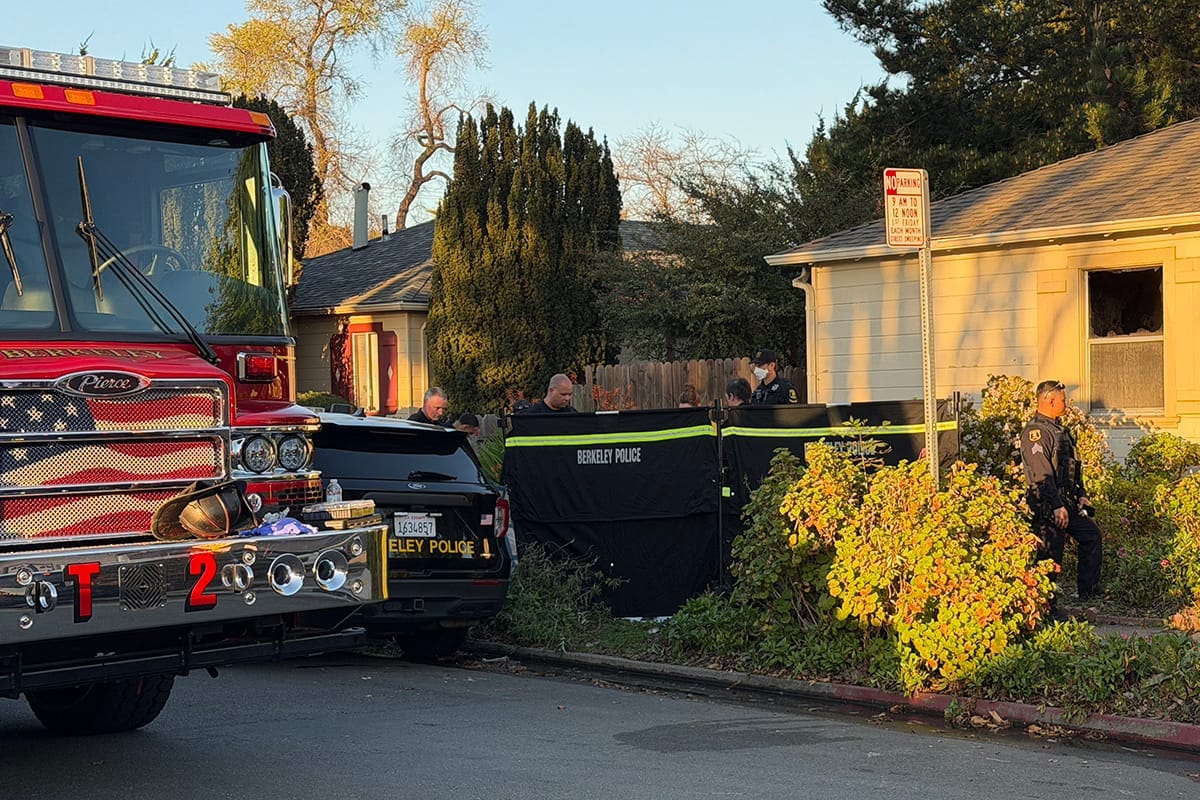
Pressing questions linger about Brun's life, and death. Some may never be fully understood.
Among these is what steps officials were taking to help her.
Neighbors, and Steve Moros, Bruns' landlord who owns the Poe Street duplex and lives in the neighborhood, all said they'd reached out to city and county agencies over the months, even years, saying she was at risk.
Brun's apartment was rented under Section 8, a federal low-income program managed by the Berkeley Housing Authority.
The housing authority makes regular inspections of its units, and Mary Bruns' apartment often failed, Moros said. It was usually filthy. Prone to mice. She also periodically missed rent payments.
Moros said he did what he could to help, though communication with her could be challenging. And the problems kept repeating.
Just a few weeks before the fire, Moros said, the housing authority asked if he wanted to take steps to evict her. He said no: "She'd be homeless."
He was in contact with the fire department about conditions in her place, he said.
Authorities had been at Brun's house numerous times over the years, according to neighbors and city records.
Precise details of who visited when, and why, aren't clear, in part because reports from Alameda County Social Services Agency are not considered public.
They are protected by confidentiality laws, the agency told The Scanner in response to a Public Records Act request. As a result, the agency could not confirm if Bruns was one of their cases.
City records show frequent police calls from Bruns over a decade, many related to persistent problems with a neighbor, who has since died.
She thought he was spying on her, listening through the walls, and there were complaints of noise.
There were also medical emergencies.
Bruns had several bad falls in more recent times, leaving bruises, Addison said, prompting her to call 911. Bruns had Kaiser health coverage, but didn't like hospitals, she said.
And just a couple of weeks before her death, Bruns showed up at her house especially weak. Addison called 911.
"I had her walk back [home] so [the paramedic] could see her apartment; it was very dangerous in there," said Addison, referring to the fall-risks from debris and clutter.
The next day, someone from Alameda County called and left Addison a message. But when she called back, she couldn't get through. It was deeply frustrating.
 Emilie Raguso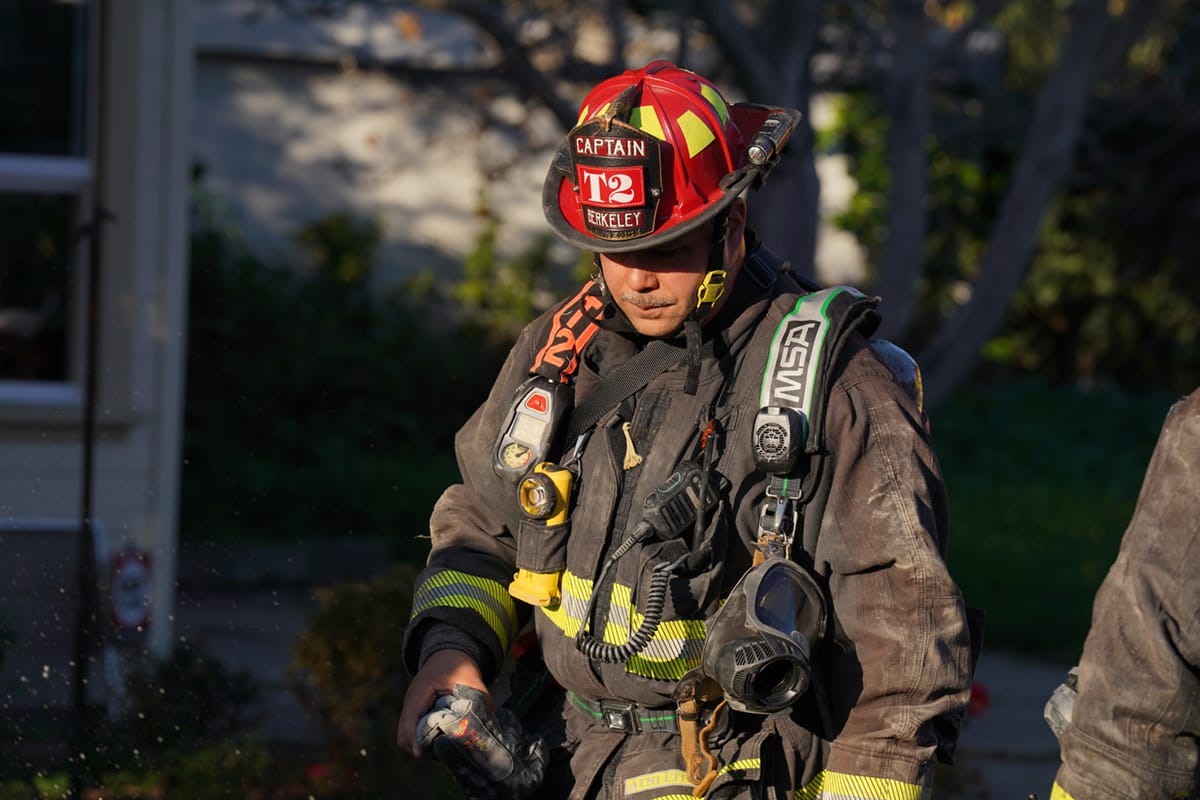
Helpers of some kind had been at Bruns' apartment over the past several months, in and out for a few days, said neighbors and Moros. Maybe social workers, they said. They also saw fire officials there. They didn't know the details.
It was too little, too late, they said. "They dropped the ball," Esquivel said.
The Scanner is still reviewing documents and will update this story if we learn more.
Mary will be cremated by Alameda County, her ashes dispersed at sea, Carol said.
Her relatives and the neighbors all said they're left with the same fervent hope: That her death was painless.
"What I choose to believe is that she fell, passed out and died from smoke inhalation. That's how I make myself feel better," Addison said.