Police shooting: Jason Fletcher manslaughter case dismissed
Former San Leandro police officer Jason Fletcher fatally shot Steven Taylor in a Walmart store in 2020. The case has dragged on for years.
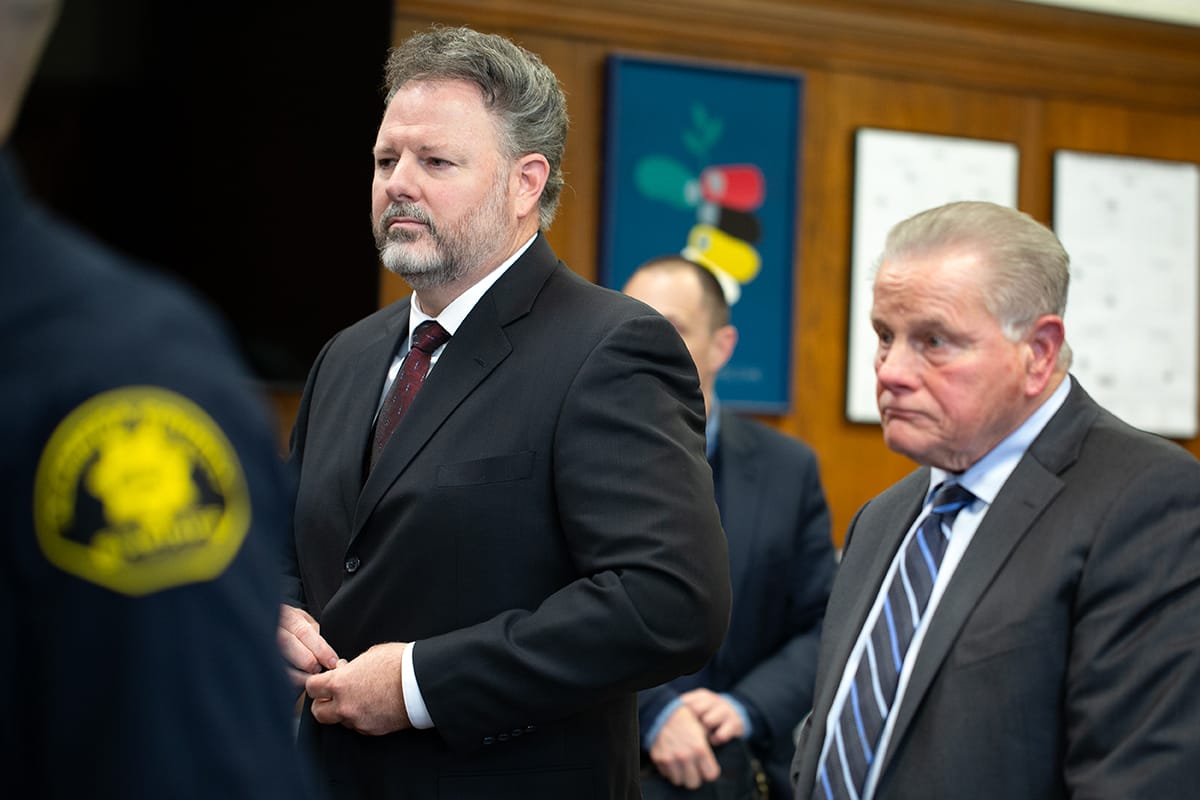
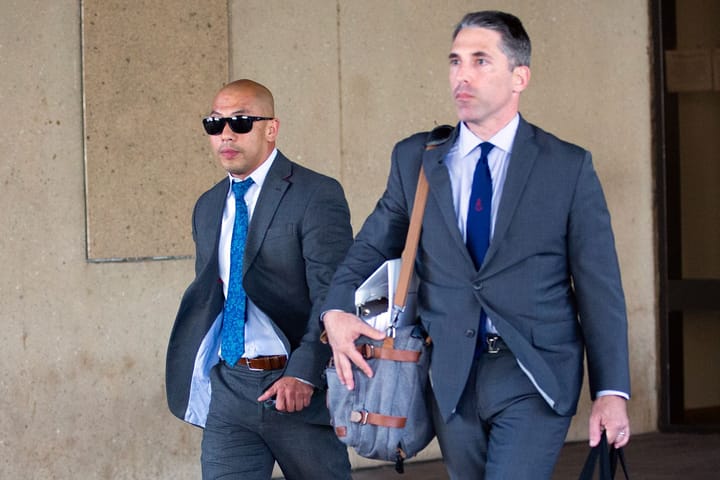
An Alameda County Superior Court judge dismissed the manslaughter case against former San Leandro police officer Jason Fletcher on Friday afternoon.
Fletcher fatally shot Steven Taylor during a call for service inside Walmart in April 2020.
Authorities said Taylor was wielding a metal bat and threatening to hurt people. His family has said he was in a mental health crisis.
This week, the Alameda County district attorney's office moved to dismiss the case against Fletcher, saying it could not prove criminal conduct beyond a reasonable doubt.
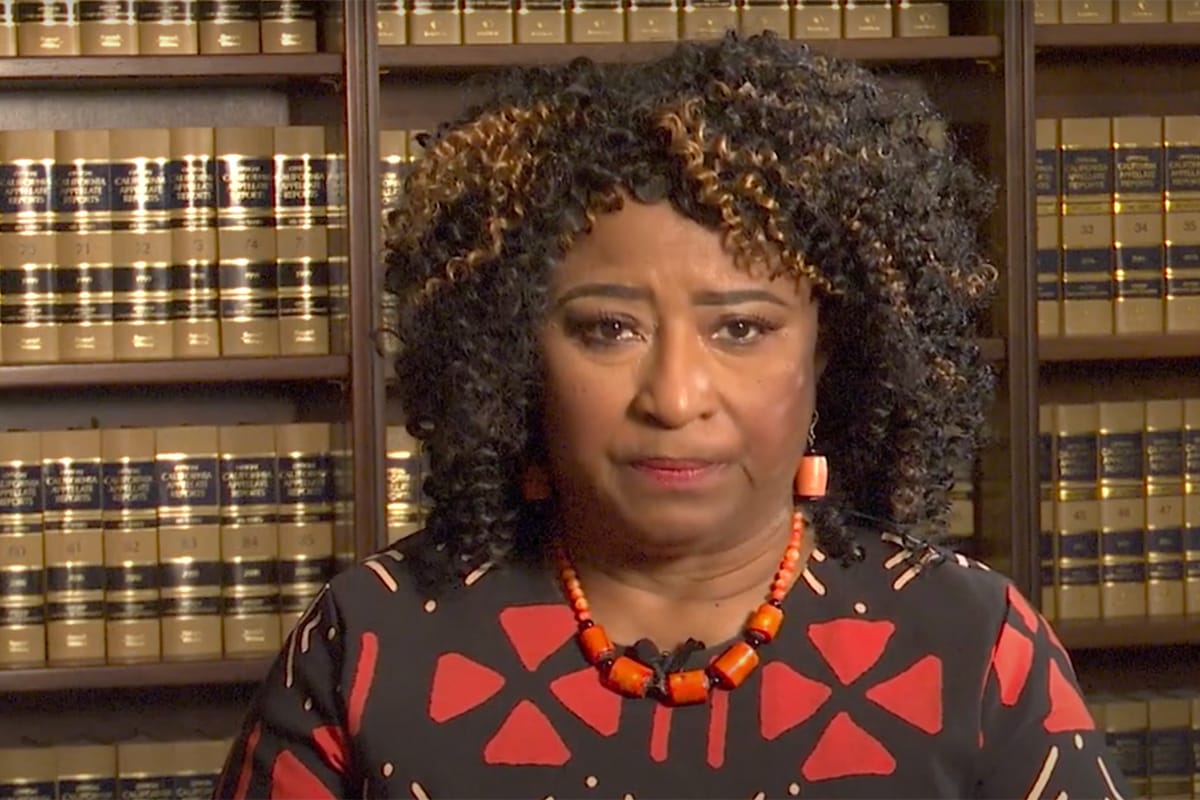
The DA's office, under Ursula Jones Dickson, has also emphasized a variety of ethical violations that arose when former DA Pamela Price oversaw the case.
Under Price, the office was recused from the case due to bias, and people she hired have since been accused of ethical violations, from shredding documents to failing to turn over exculpatory material to the defense.
On Friday, prosecutor Darby Williams said her office had invited the state attorney general's office to take another look at the case in response to a request from Taylor's family.
But Williams said the Alameda County DA's office was "unequivocal about our position that this matter be dismissed today."
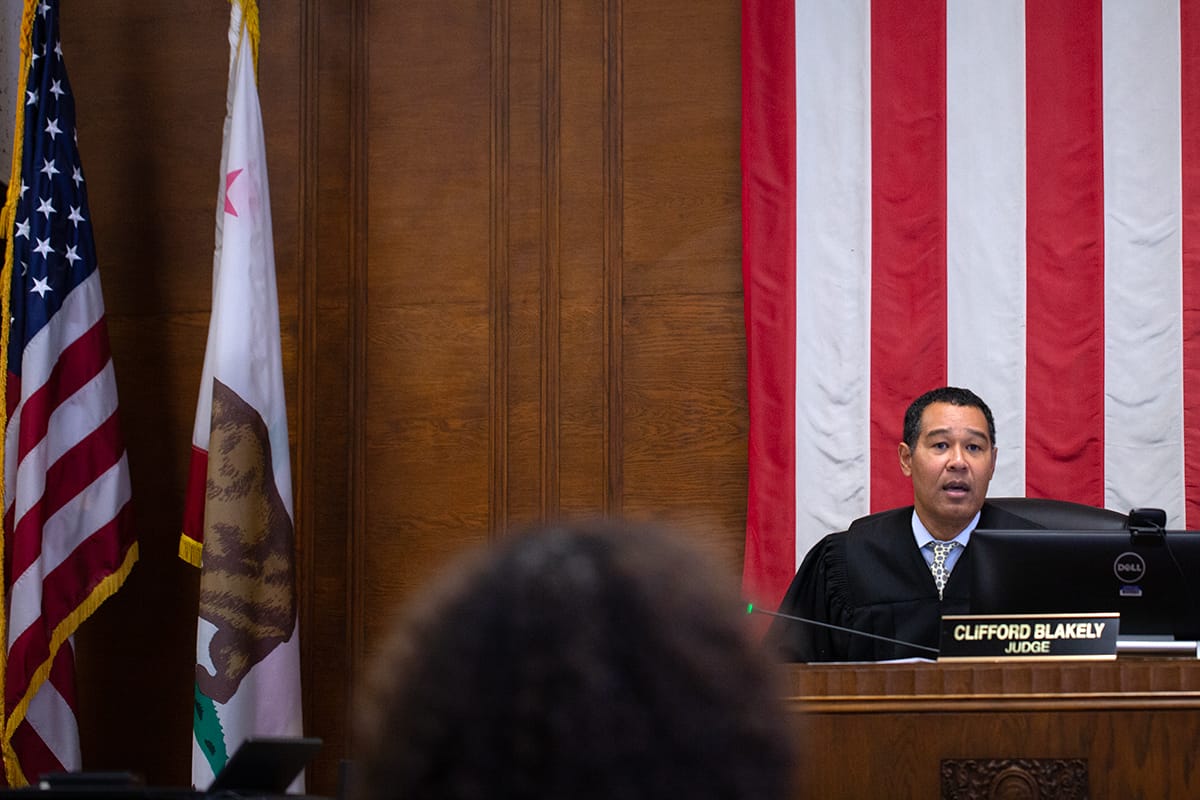
And, ultimately, Judge Clifford Blakely agreed, saying he had independently reviewed the evidence closely in making his ruling.
"The DA's office is telling me the court should dismiss this case because they can't prove it," he said. "The evidence substantially supports that decision."
Blakely also cited video evidence showing that Taylor, armed with a bat, had advanced on Fletcher despite having been Tased twice, and how he'd repeatedly challenged Fletcher to shoot him.
The judge said he'd balanced the evidence, and Fletcher's constitutional rights, with the "strong and legitimate community interest in prosecuting this case on behalf of Mr. Taylor — whose life did matter, always mattered and always will matter."
Before the judge made his ruling, the prosecutor walked through the facts of the case as her office saw them, describing how Fletcher had been known in San Leandro as an officer who was "calm" and "quiet," and was "respectful towards even the shoplifters."
She said multiple people at Walmart had urged Taylor to walk away with his stolen merchandise before police arrived — but how he had not been responsive.
Critics have asked why Fletcher had gone into Walmart that day without backup, and why he hadn't taken more steps to deescalate the situation before firing his gun.
Williams said the veteran officer, on the job for 25 years, had seen his partner arrive in the parking lot and knew backup was close.
She said part of the issue was also misinformation from Walmart security, which led to Fletcher being surprised to find Taylor so close to the exit, and changed the dynamics of the call.
At one point, she said, Fletcher had tried to put his hand on Taylor's hand to get him to drop the bat. But the move had the opposite effect, as Taylor "assumed a batter stance," signaling to Fletcher "this wasn't going to end peacefully."
Williams described how Taylor had asked Fletcher if he planned to shoot him.
"That's not the plan. That's not the program," Fletcher had said.
In addition to describing in detail what unfolded inside Walmart, the prosecutor also spoke at length about the "ethical violations" she said took place in relation to the case under former DA Pamela Price.
"There were efforts to utilize the case against Officer Fletcher in a way that is antithetical to the purpose of the criminal justice system, that is antithetical to ethics and the rule of law," Williams said.
"To use the power of the prosecutor as a weapon to go after enemies, to go after anyone for political advantage, that is an abomination," she continued.
She said Price hires had shopped around for use-of-force experts who would support their theory of the case and failed to tell the defense when they found the opposite.
Williams also said there was "a big difference" between holding police accountable for criminal conduct and "nakedly" announcing a plan to prosecute "killer cops," as Price had done.
"DA Price unfortunately took the latter tack," Williams said. "She enlisted people … to assist her in an agendized prosecution that created the foundation for the ethics violations that happened later."
"Today is … a solemn day," she said. "But it's a powerful day for the rule of law. And it's a powerful day for ethics."
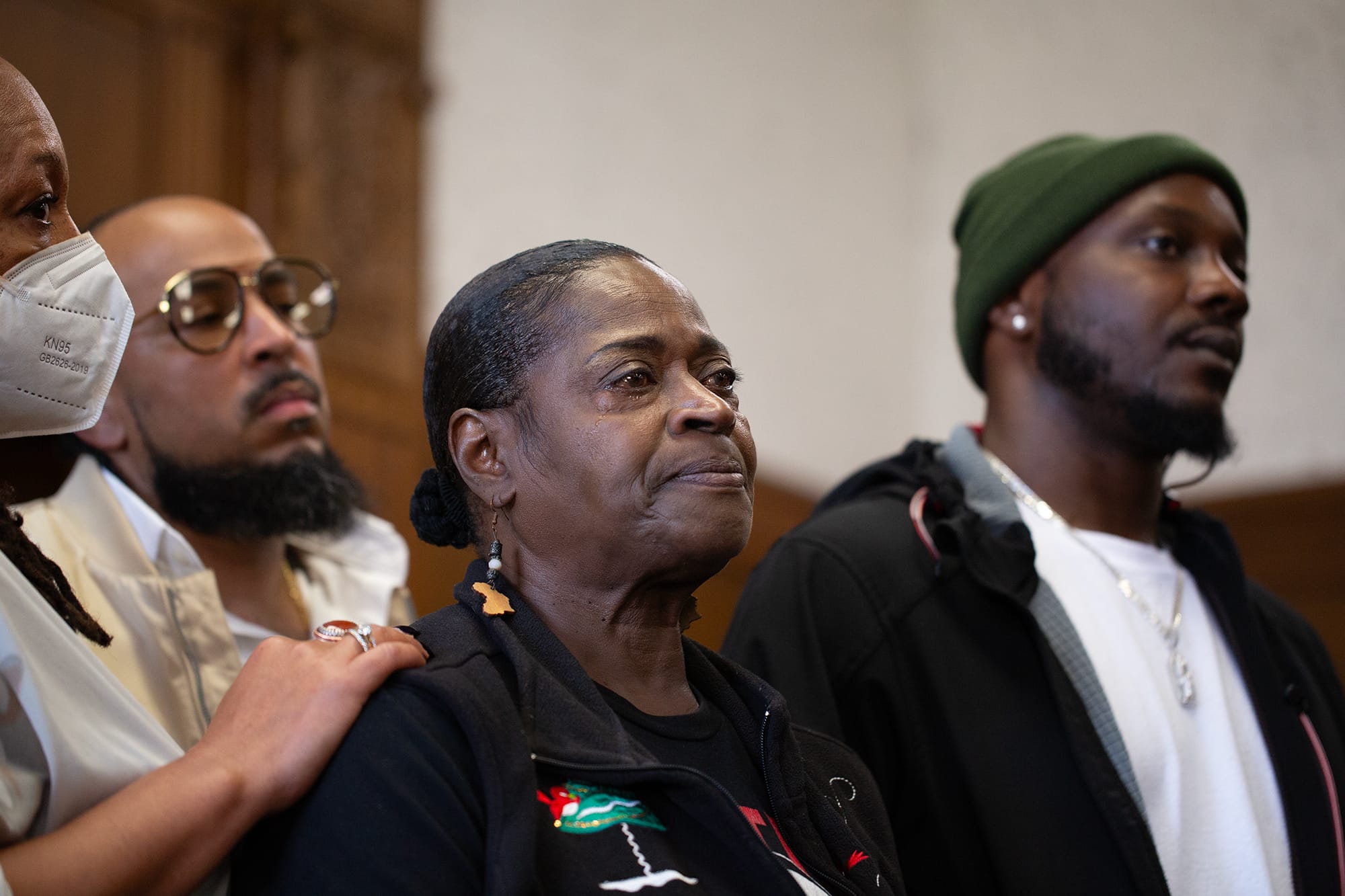
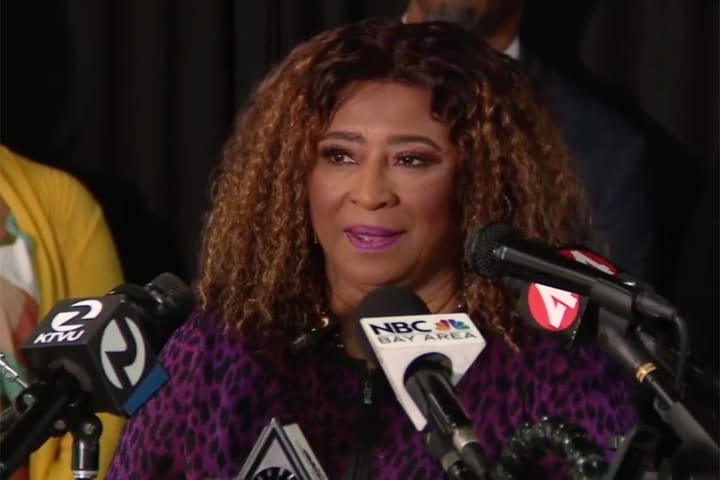
After Williams spoke, Taylor's mother and grandmother each addressed the court to ask the judge to let the case proceed to trial next month.
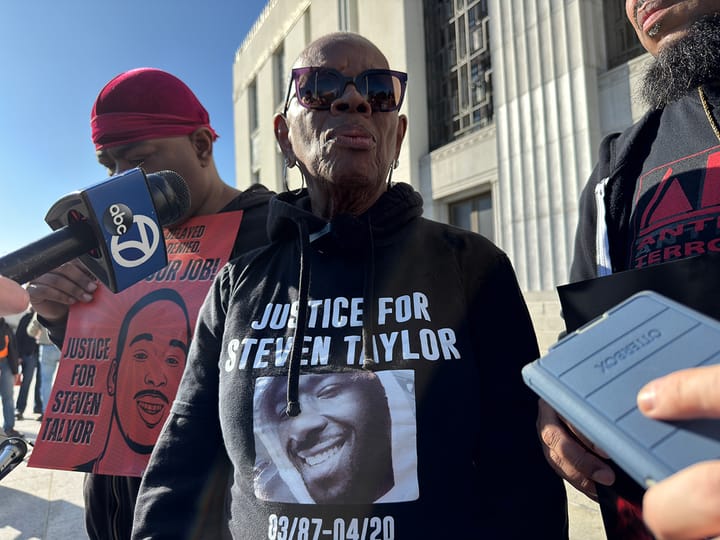
"Mental illness is not a crime," said Taylor's grandmother, Addie Kitchen, reading a letter from her granddaughter. "It should not be treated as justification for deadly force."
After the hearing, Kitchen said she had prayed for a different outcome. But she hadn't expected it.
" I knew it was gonna happen," she said. "No doubt in my mind."
In addition to the legal battle, Kitchen said she had worked to keep her grandson's name alive, advocating for an alternative response unit in San Leandro that is separate from police and increasing police oversight efforts.
Next month, she said, the city will hold a ribbon-cutting event for the Steven Taylor Sanctity of Life Park.
" We will continue to make sure his voice is heard, his name is heard," she said. "We want to make sure that we never forget."
A civil lawsuit remains pending.
Editor's Note: This story was updated after publication with additional details.
Related coverage
 Emilie Raguso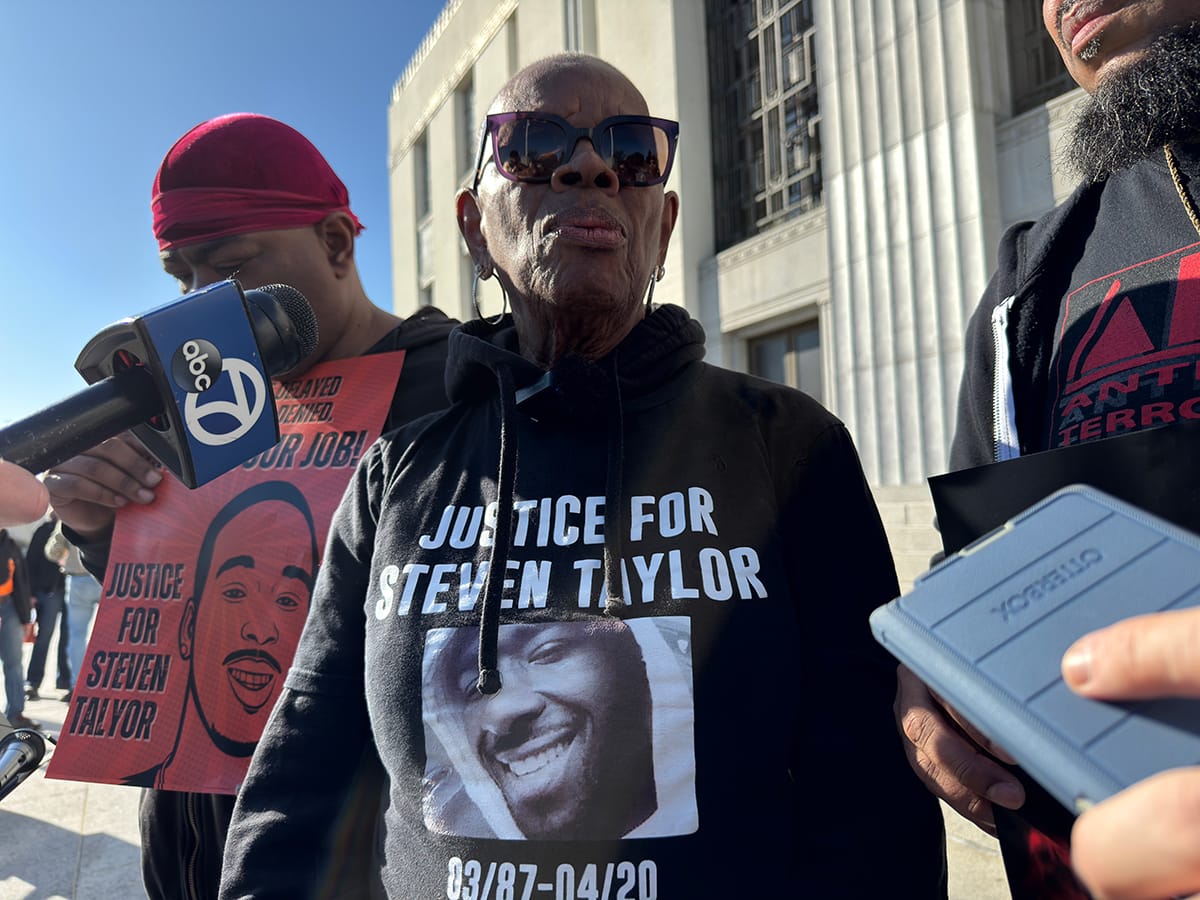
 Emilie Raguso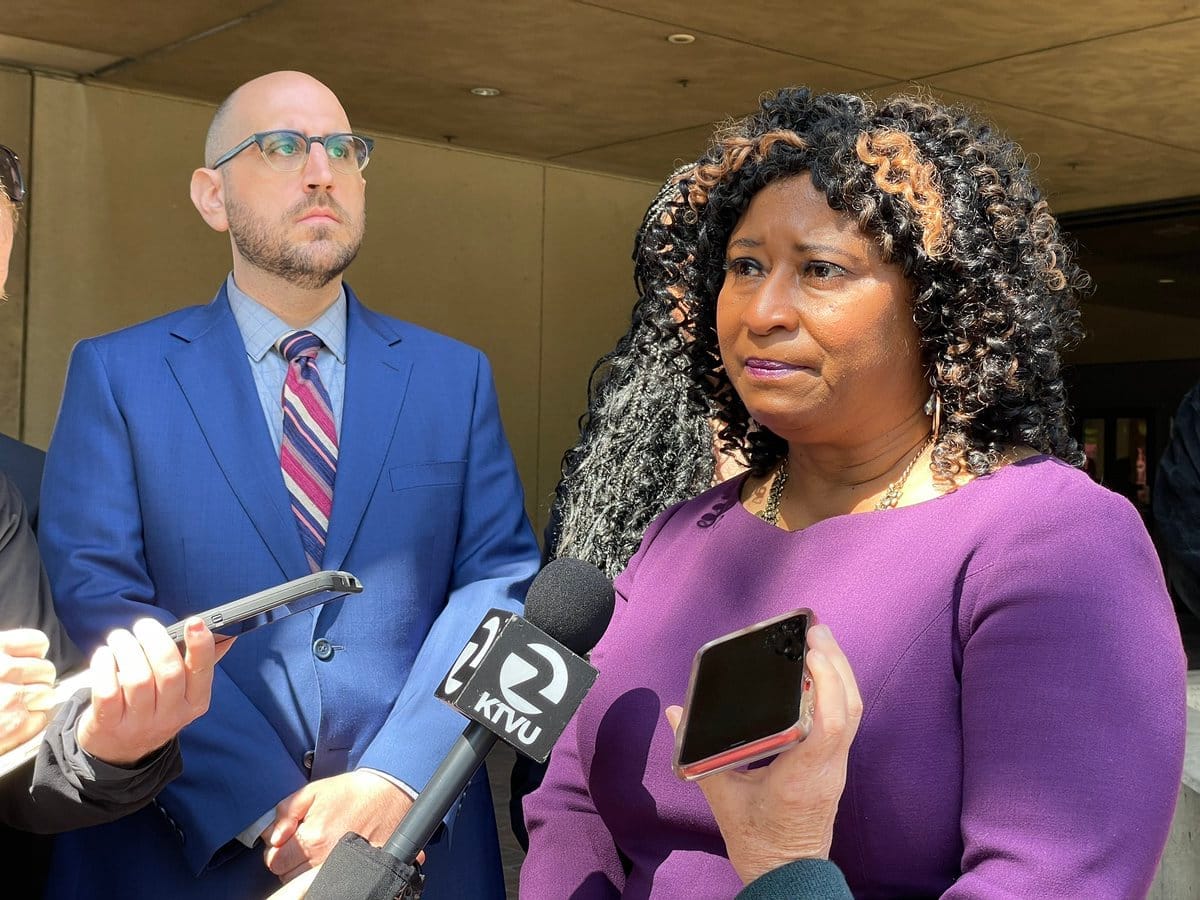
 Emilie Raguso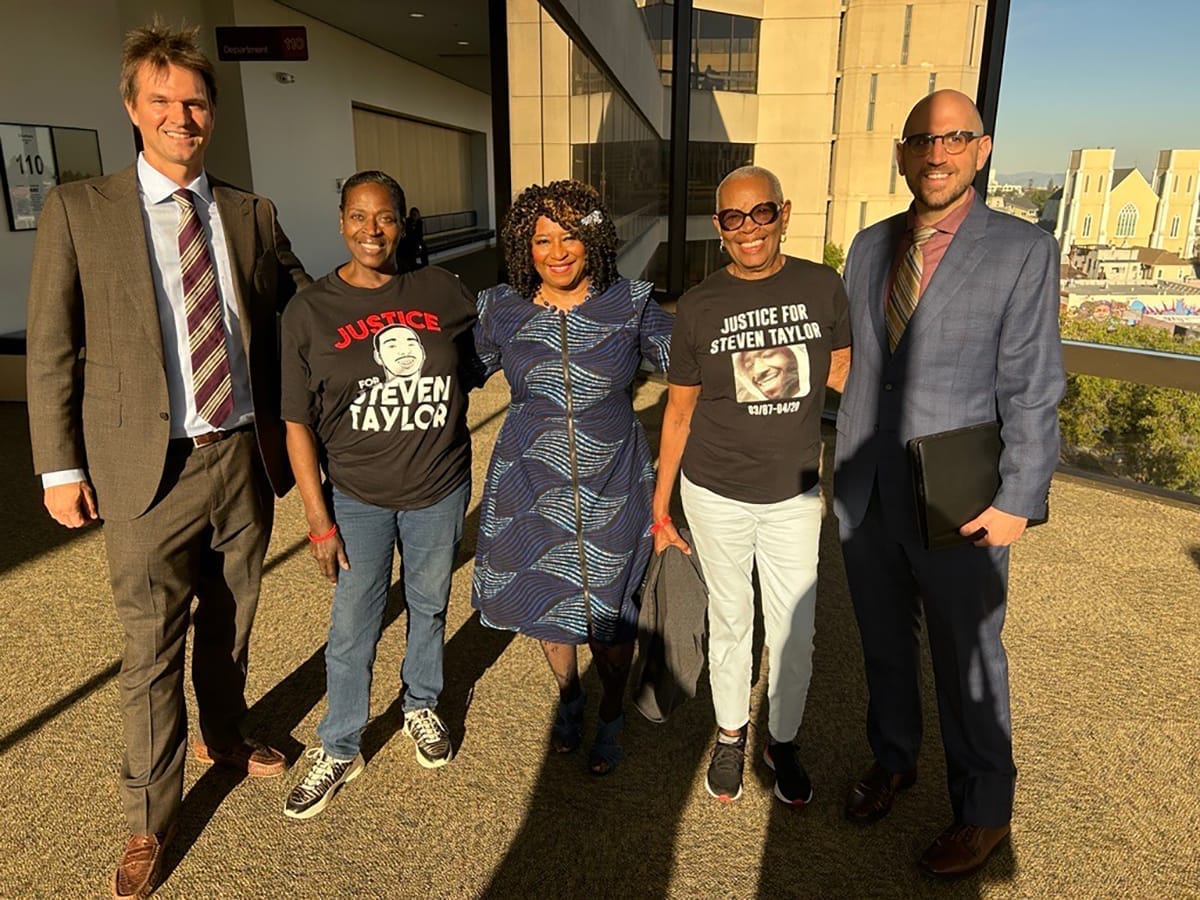
 Emilie Raguso